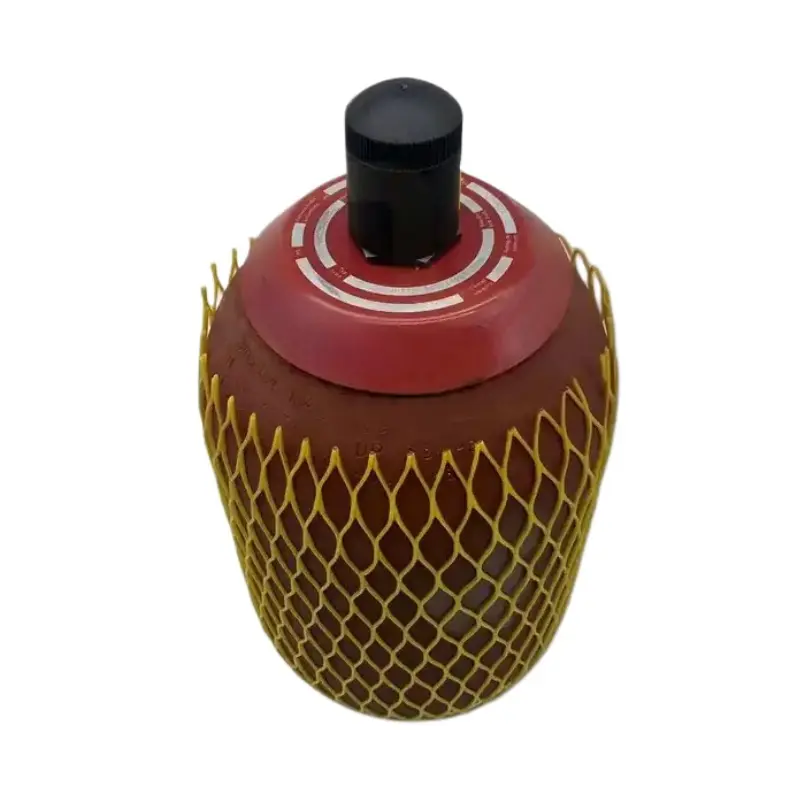
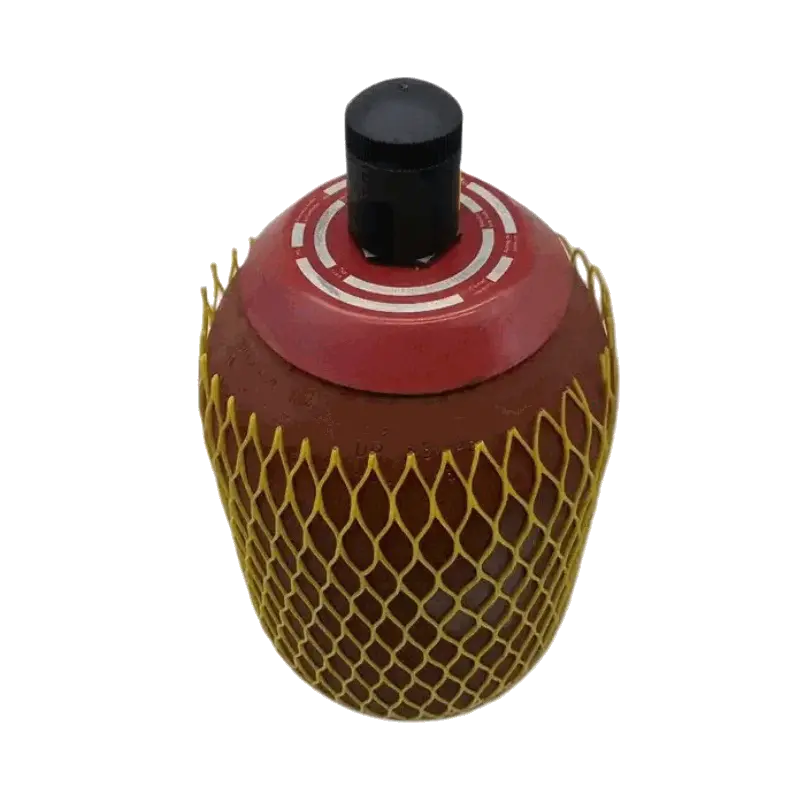

Accumulator Manufacturer

Hydraulic Products for Sale

Product Category

Contact Us

Can't Find the Right Hydraulic Product?

OVERVIEW

Introduction to the Accumulator

A hydraulic accumulator is an energy-storage device that holds pressurized fluid for later use. Most designs separate hydraulic oil from a precharged gas with a bladder, diaphragm, or piston, allowing incoming oil to compress the gas and store potential energy.

Accumulators improve hydraulic system response, maintain pressure, absorb shock and pulsation, compensate for leakage or thermal volume changes, and provide emergency power. Correct sizing, precharge, mounting, protection, and maintenance are essential for safe and efficient operation.

Products Functions

Functions of the Accumulator

Hydraulic Parts for All Construction Machinery

Store and Release Hydraulic Energy

Store and Release Hydraulic Energy

During periods of low demand, pump flow enters the accumulator and compresses the gas charge, storing energy. When system demand increases, the compressed gas forces oil back into the circuit, supplementing pump flow and delivering short bursts of hydraulic power.

 Maintain Pressure and Compensate for Leakage

 Maintain Pressure and Compensate for Leakage

An accumulator can supply small volumes of oil as internal leakage or minor volume changes reduce system pressure. This helps maintain clamping, braking, holding, lubrication, and control pressure without requiring the pump to run continuously or restart for every small correction.

 Absorb Pressure Shock and Flow Pulsation

 Absorb Pressure Shock and Flow Pulsation

Rapid valve switching, sudden load changes, and reciprocating pumps can create pressure spikes or pulsating flow. A correctly sized accumulator accepts or releases fluid quickly, cushioning transients, reducing vibration and noise, and protecting hoses, seals, instruments, and other components.

Provide Emergency and Standby Hydraulic Power

Provide Emergency and Standby Hydraulic Power

If the main pump or power source stops, stored accumulator energy can operate a limited safety function, complete a machine stroke, release a clamp, apply a brake, or move an actuator to a safe position, depending on circuit design and stored volume.

 Improve Pump Sizing and Overall System Efficiency

 Improve Pump Sizing and Overall System Efficiency

An accumulator can cover intermittent peak-flow demand while a smaller pump supplies average flow. This reduces installed pump and motor size, limits idle energy consumption, and improves response, provided the charging circuit, pressure settings, and usable fluid volume are correctly engineered.
Uses

Accumulator Uses

Construction Machinery

Hydraulic accumulators absorb shock, support braking and suspension, and provide peak or emergency flow in construction machinery.

Agricultural Machinery

A hydraulic accumulator cushions implement loads, maintains pressure, supports suspension, and supplies peak flow in agricultural machinery.

Marine & Ship Equipment

Hydraulic accumulators provide emergency energy, pressure stability, and pulsation damping for steering, cranes, winches, and marine systems.

Mining Equipment

Heavy-duty hydraulic accumulators store emergency energy and absorb pressure shock in roof supports, drilling, braking, and mining equipment.

Plastic & Metallurgy Industrial Machine

Hydraulic accumulators supply peak flow and maintain clamping or control pressure in molding machines, presses, and metallurgy equipment.
QUALITY

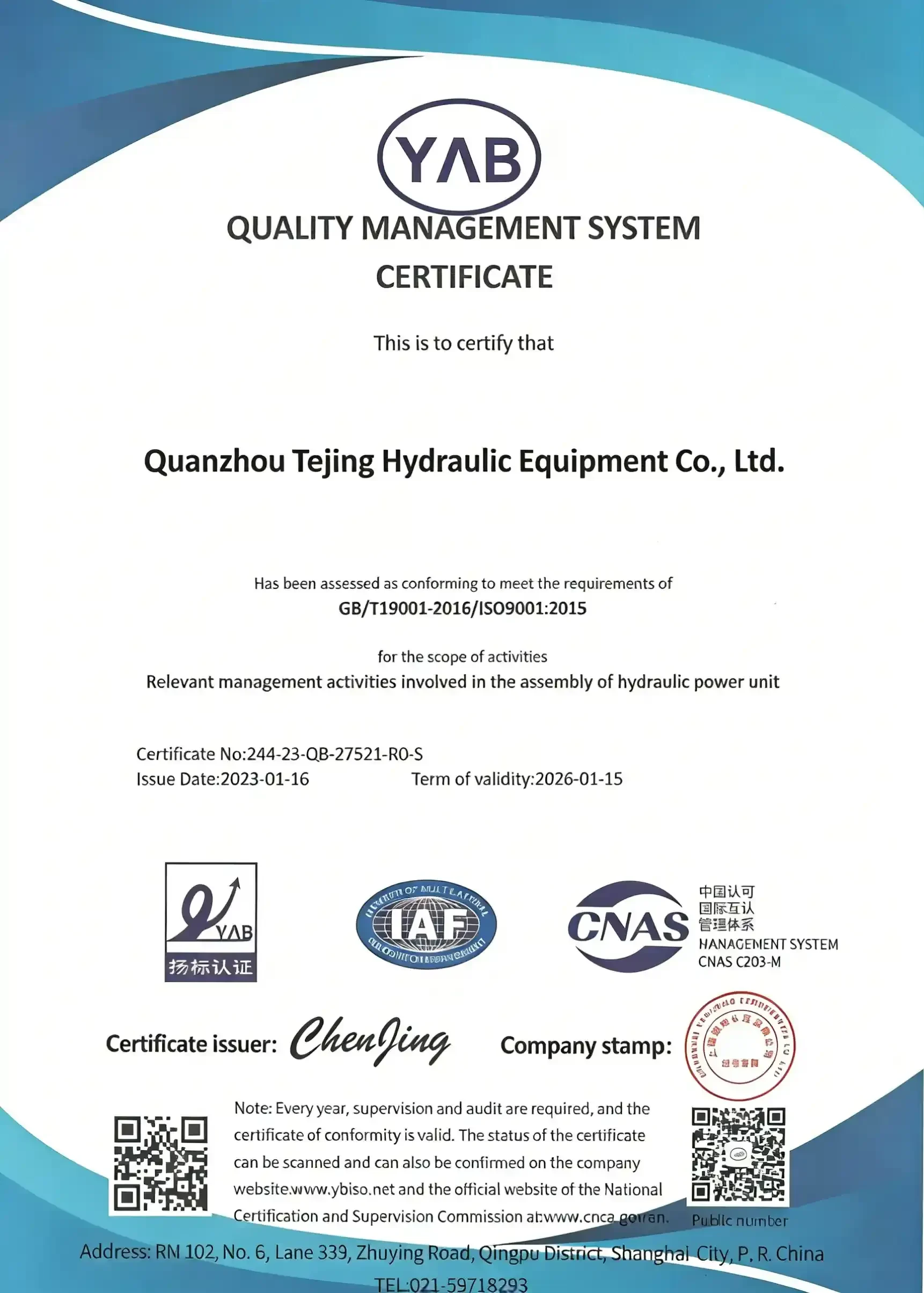
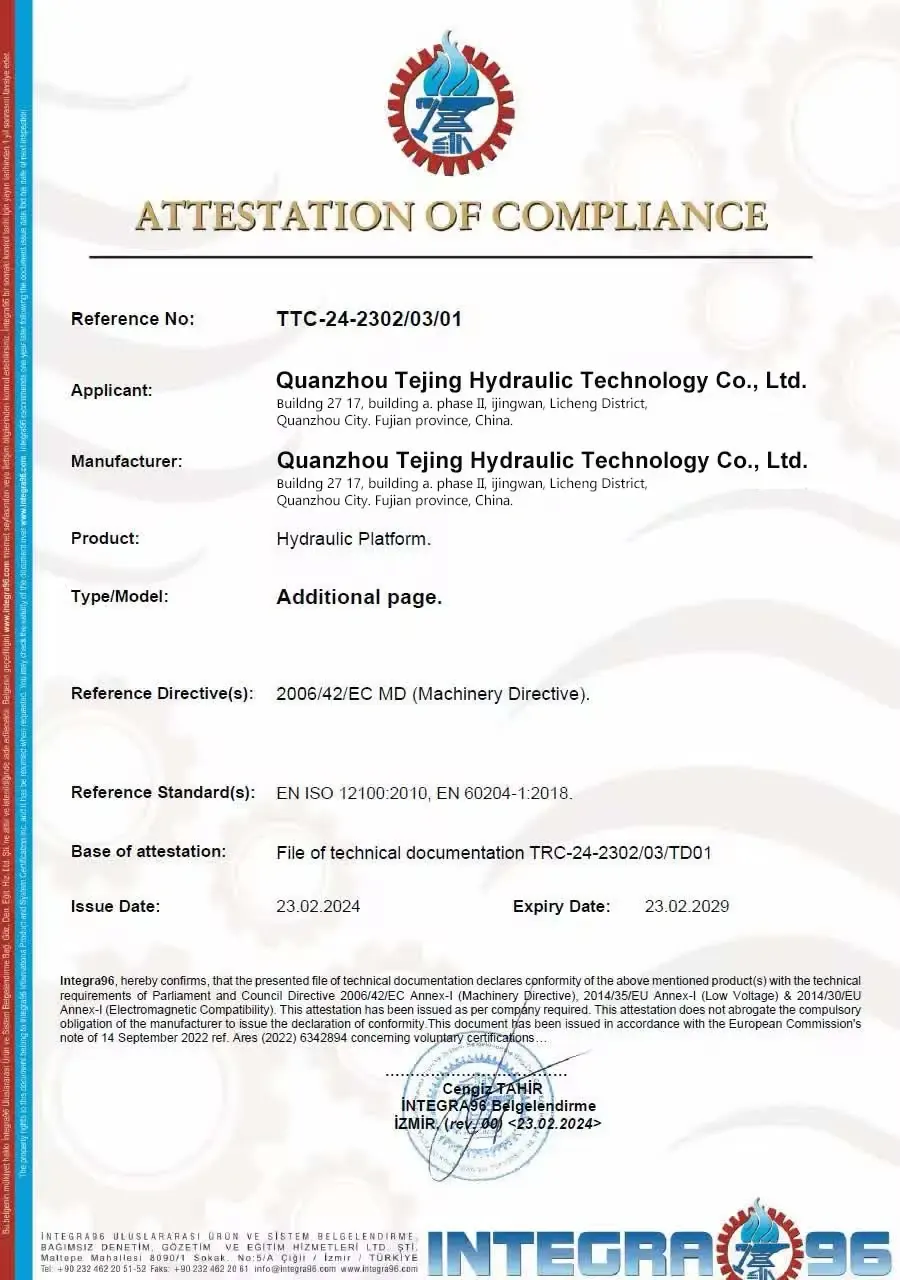
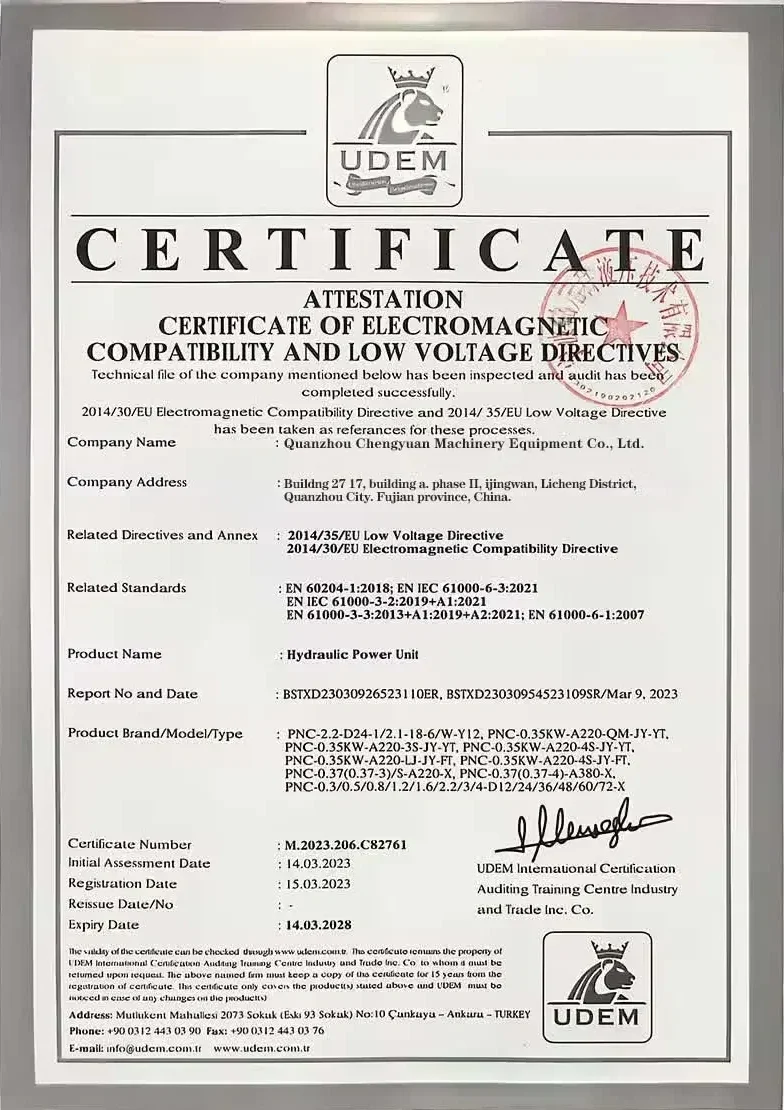
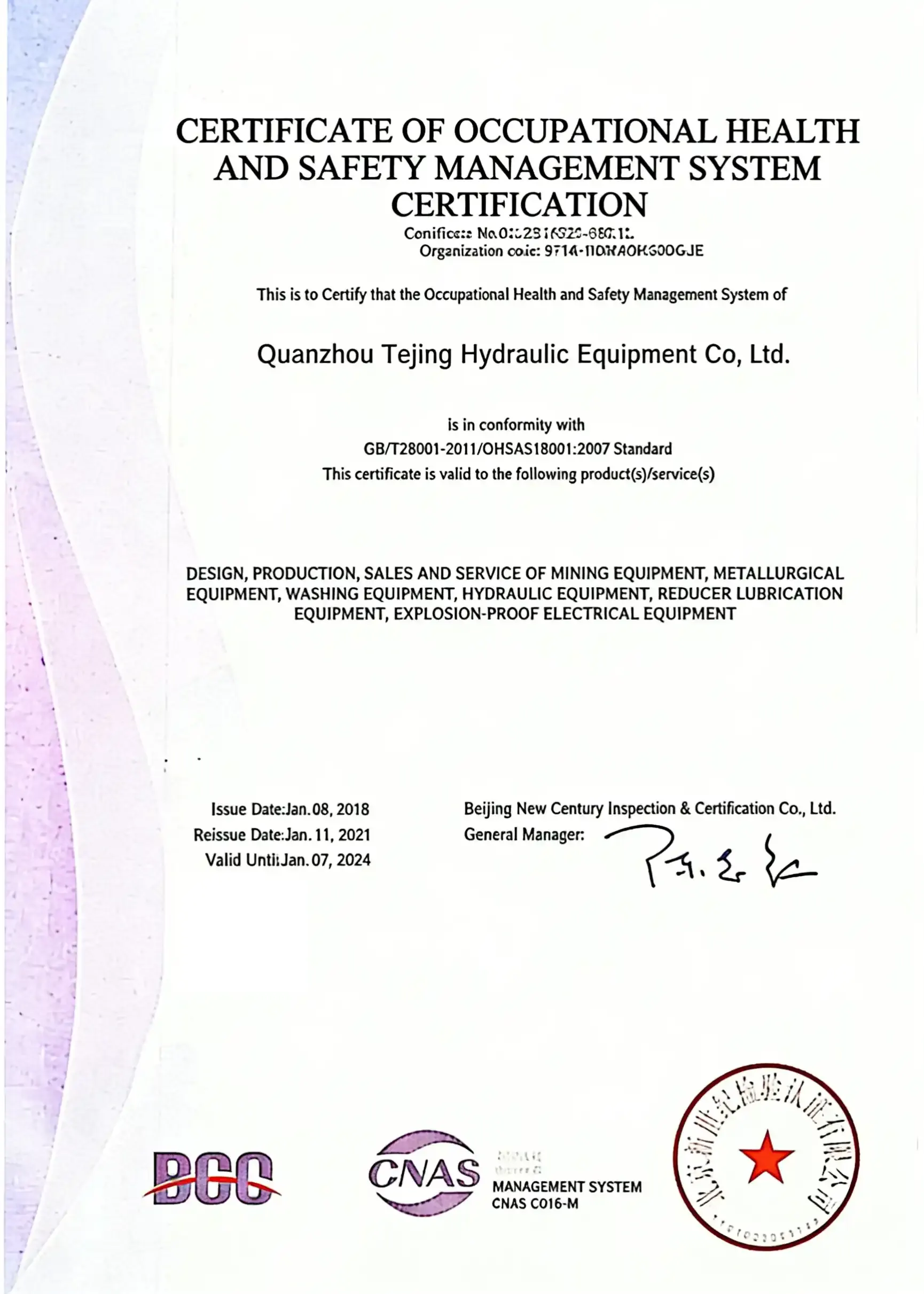
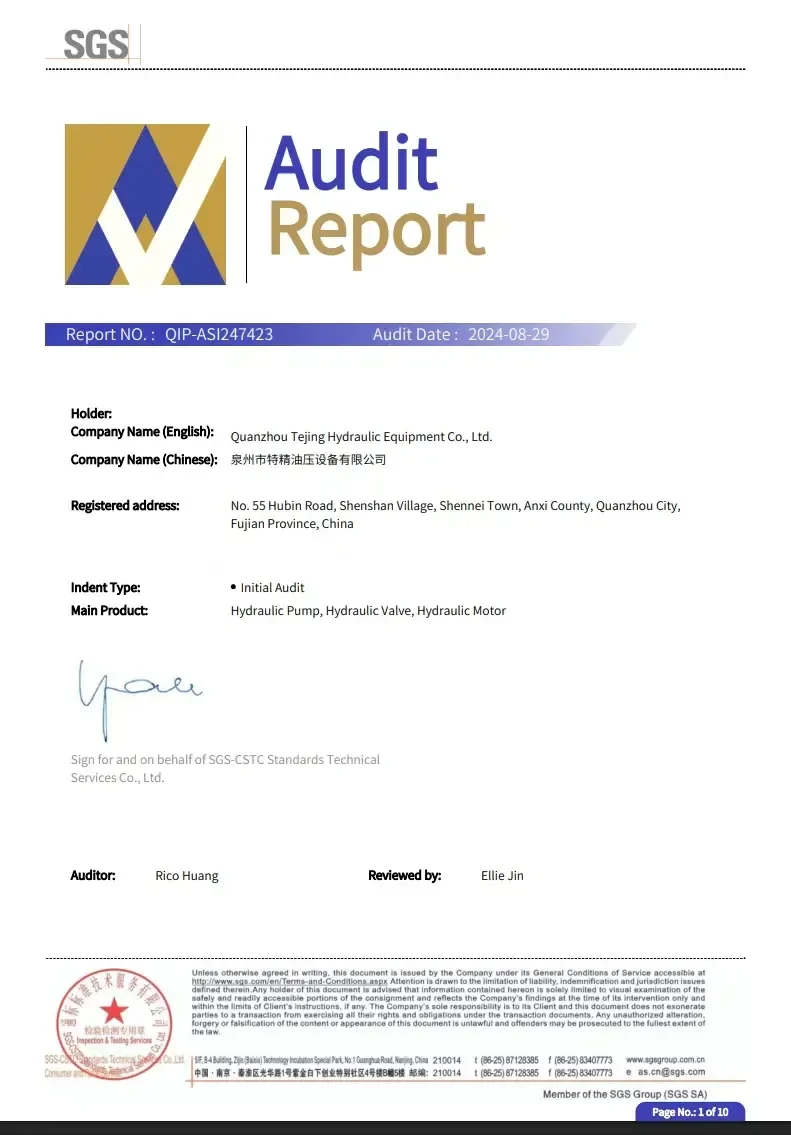
Certifications & Compliance

Certificates and qualification materials support buyer confidence during supplier
review and sourcing evaluation.

SUPPORT

Help Center

How does a hydraulic accumulator work?

Hydraulic oil enters the accumulator and compresses a precharged gas separated by a bladder, diaphragm, or piston. The compressed gas stores energy and later expands to push oil back into the hydraulic circuit when pressure falls or demand increases.

What are the main types of hydraulic accumulators?

The main gas-loaded types are bladder, diaphragm, and piston accumulators. Bladder designs respond quickly, diaphragm designs suit compact lower-volume applications, and piston designs accommodate larger volumes, higher flow, and broader compression ratios. Weight-loaded and spring-loaded types also exist.

Why is accumulator precharge pressure important?

Correct nitrogen precharge establishes usable oil volume, response, and component life. Precharge that is too high can reduce fluid acceptance and damage the separator, while precharge that is too low can reduce efficiency, overcompress the bladder or diaphragm, and increase wear.

What safety precautions apply to a hydraulic accumulator?

Always isolate and fully depressurize the hydraulic side before service, verify gas pressure with approved equipment, use dry nitrogen only, never use oxygen or compressed air, follow pressure-vessel requirements, inspect damage and corrosion, and use rated charging and safety components.

Can you customize products, and is there a minimum order quantity?

Absolutely. We provide OEM/ODM services and can manufacture according to your samples or technical drawings. Yes, there is a minimum order quantity, but it is flexible. Spare parts often have an MOQ of 1 piece, while complete pumps or motors vary by model—please inquire for details.

How quickly can you deliver products, and what shipping methods are available?

For in-stock items, we can ship within 3 days. For custom or non-stock items, delivery usually takes 7–15 days. We’ll confirm exact timing based on current inventory. We offer flexible shipping via express carriers (DHL, FedEx, UPS) and sea freight (CIF/FOB). We can also deliver to your designated freight forwarder in China.

Are you a factory or a trading company, and how do you ensure product quality?

We are a hybrid—both a manufacturer and a trading company. We produce our own products and also source specific components to offer complete solutions. We follow strict quality control protocols. All parts undergo CNC machining and heat treatment, and each is 100% tested before delivery to guarantee precision and reliability.

What payment methods do you accept, and what is the warranty period?

We accept T/T, L/C, Western Union, Alibaba Trade Assurance, and VISA. For new customers, we usually require full prepayment or a 30% deposit with the balance due before shipment. All products come with a 1-year warranty, provided they are installed and operated under normal conditions.

agriculture
What Are Hydraulic Components and How Do They Work?
Hydraulic components are essential parts of hydraulic systems that use pressurized fluid to transmit...
行业应用-港口船舶液压系统
How to Choose the Right Hydraulic Components for Your Equipment
Hydraulic components are essential parts of hydraulic systems that use pressurized fluid to transmit...
行业应用-冶金自动化液压系统
Common Types of Hydraulic Components and Their Applications
Hydraulic components are essential parts of hydraulic systems that use pressurized fluid to transmit...
CONTACT US

Send Your Hydraulic
Inquiry

Tell us the model, application or target part number. Our sales team will help confirm specifications and quotation details.

Anya Zhang

anyazhang@tejingyy.com | +8618159153182

Taylor Shen 

taylorshen@tejingyy.com | +861815059722
Bill Yang 

billyang@tejingyy.com | +8618160919625

Mon-Fri/Sat 9:00-18:00 UTC+8

Get Inquiry