Solenoid Valve Manufacturer

Hydraulic Products for Sale

Product Category

Contact Us

Can't Find the Right Hydraulic Product?

OVERVIEW

Introduction to the Solenoid Valve

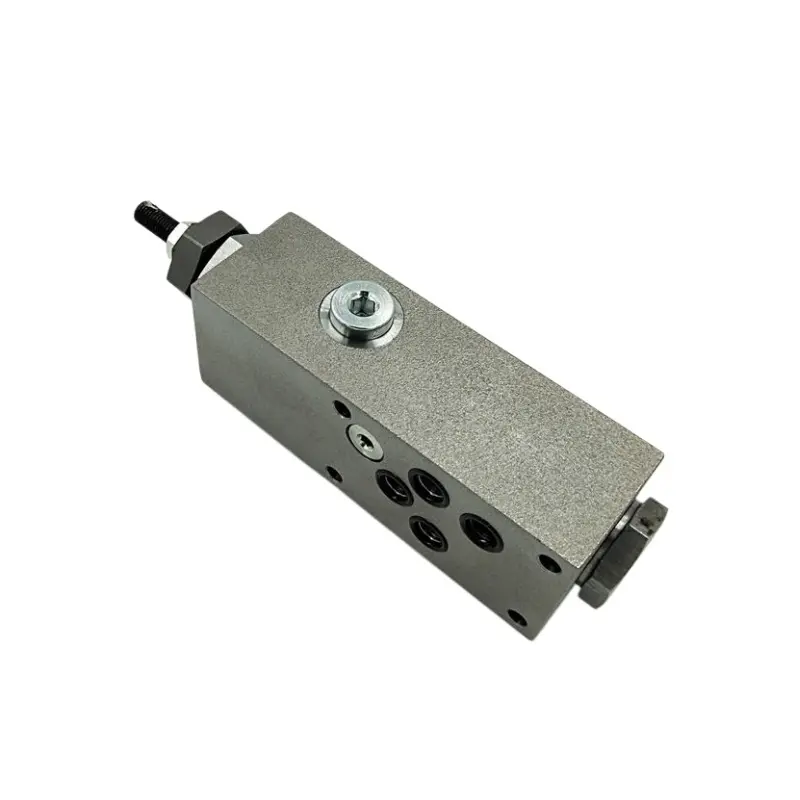
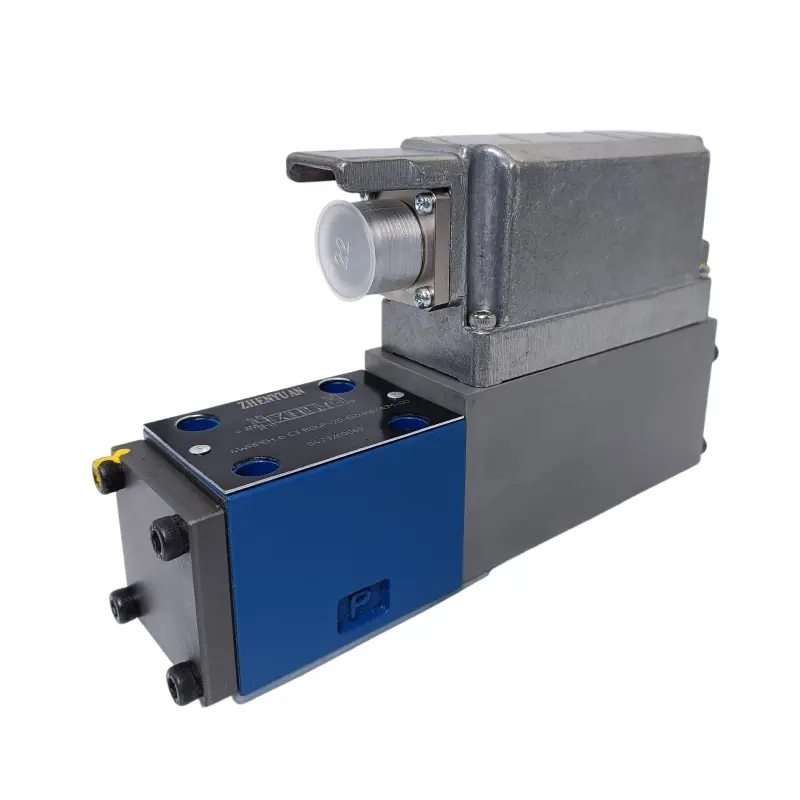
A solenoid valve is an electrically operated valve that uses an energized coil to move an armature, plunger, poppet, or spool. The movement opens, closes, or redirects a hydraulic flow path, allowing electrical controls to manage fluid power functions quickly and remotely.

Hydraulic solenoid valves are available in direct-acting, pilot-operated, cartridge, and directional configurations with different voltages, port patterns, and fail-safe states. They are widely used in automated mobile and industrial machinery for start-stop, isolation, unloading, sequencing, and directional control.

Products Functions

Functions of the Solenoid Valve

Hydraulic Parts for All Construction Machinery

Convert an Electrical Signal into Valve Movement

Convert an Electrical Signal into Valve Movement

When voltage is applied, current in the solenoid coil creates a magnetic field that moves the armature or pin. This mechanical action shifts the valve element and changes the hydraulic flow path without requiring manual operation at the valve location.

Start, Stop, or Redirect Hydraulic Flow

Start, Stop, or Redirect Hydraulic Flow

Depending on the valve design, the solenoid can open or close a single passage or shift a directional spool between multiple ports. This enables electrical control of cylinder extension, motor rotation, clamping, unloading, braking, and other machine functions.
 Enable Remote and Automated Machine Control

 Enable Remote and Automated Machine Control

A solenoid valve interfaces easily with switches, relays, programmable controllers, sensors, and safety systems. The machine can therefore execute timed sequences, respond to operating conditions, and control hydraulic functions from a remote panel or automated control program.

Provide Defined Normal and Fail-Safe States

Provide Defined Normal and Fail-Safe States

Normally open, normally closed, and spring-return configurations establish the valve position when electrical power is removed. Choosing the correct state helps isolate pressure, stop motion, unload a pump, or maintain another predetermined condition during shutdown or electrical failure.

 Support Fast, Repeatable Hydraulic Switching

 Support Fast, Repeatable Hydraulic Switching

Correctly sized solenoid valves provide consistent switching between operating states across repeated cycles. Response time, coil duty rating, pressure differential, flow capacity, contamination control, and spool or poppet design determine how reliably the valve performs at production speed.
Uses

Solenoid Valve Uses

Construction Machinery

Solenoid valves provide electrical direction, isolation, unloading, and attachment control in excavators, loaders, cranes, and construction machinery.

Agricultural Machinery

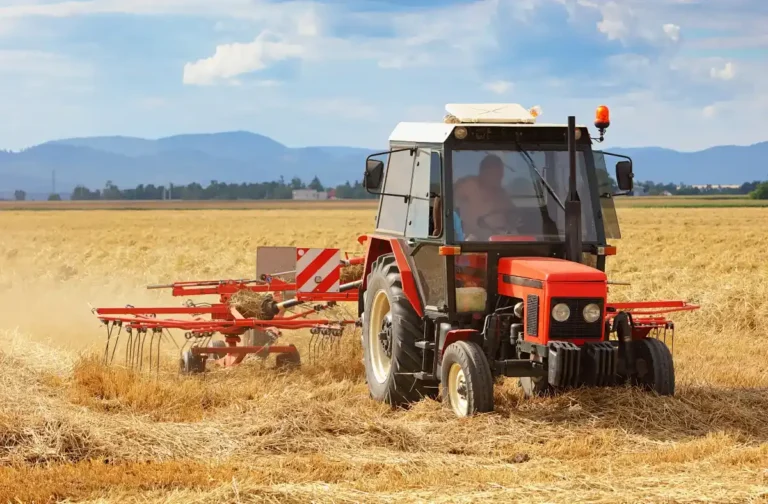
A solenoid valve automates steering, lifting, folding, seeding, spraying, and implement functions in agricultural machinery.

Marine & Ship Equipment

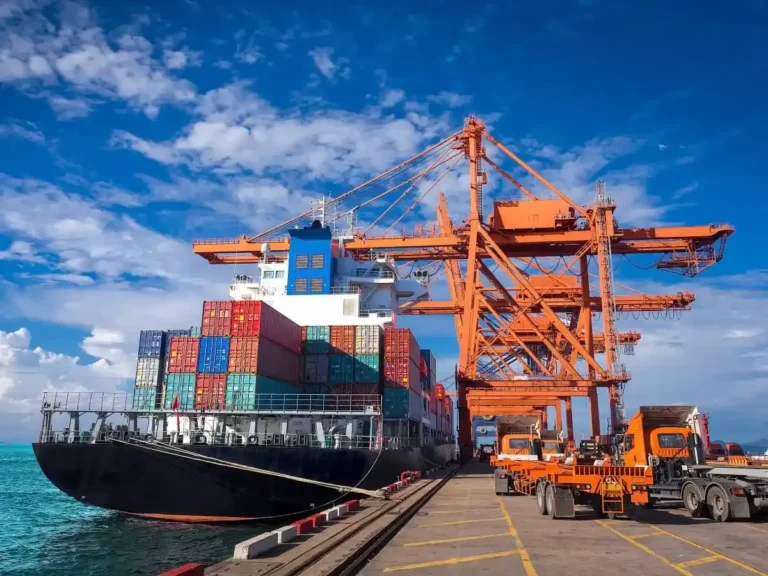
Solenoid valves remotely control steering auxiliaries, winches, hatches, deck machinery, and marine hydraulic power units.

Mining Equipment

Heavy-duty solenoid valves switch and isolate hydraulic circuits in drilling, conveying, support, and mining equipment systems.

Plastic & Metallurgy Industrial Machine

Solenoid valves automate clamping, injection, ejection, pressing, cooling, and sequencing in plastic or metallurgy industrial machines.
QUALITY

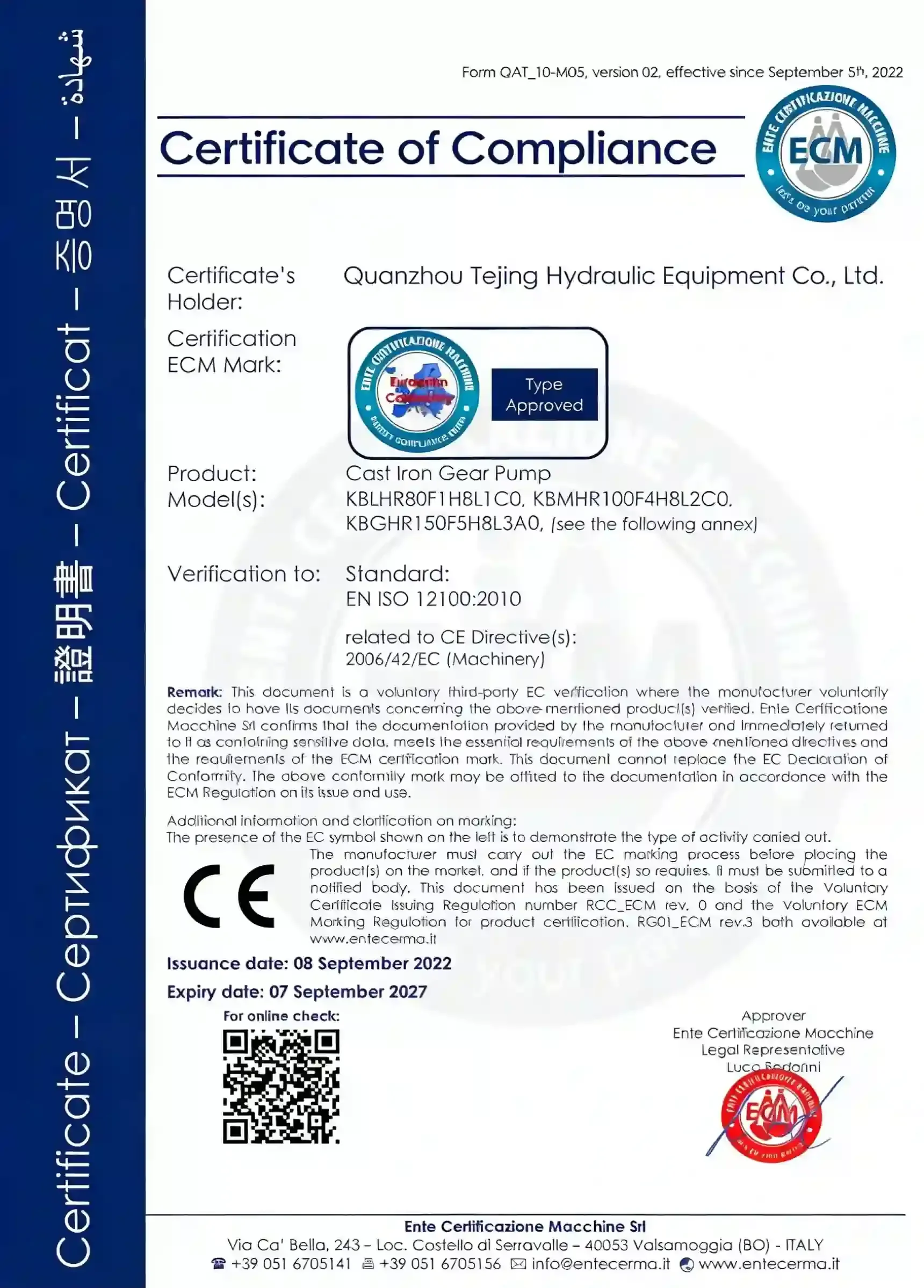
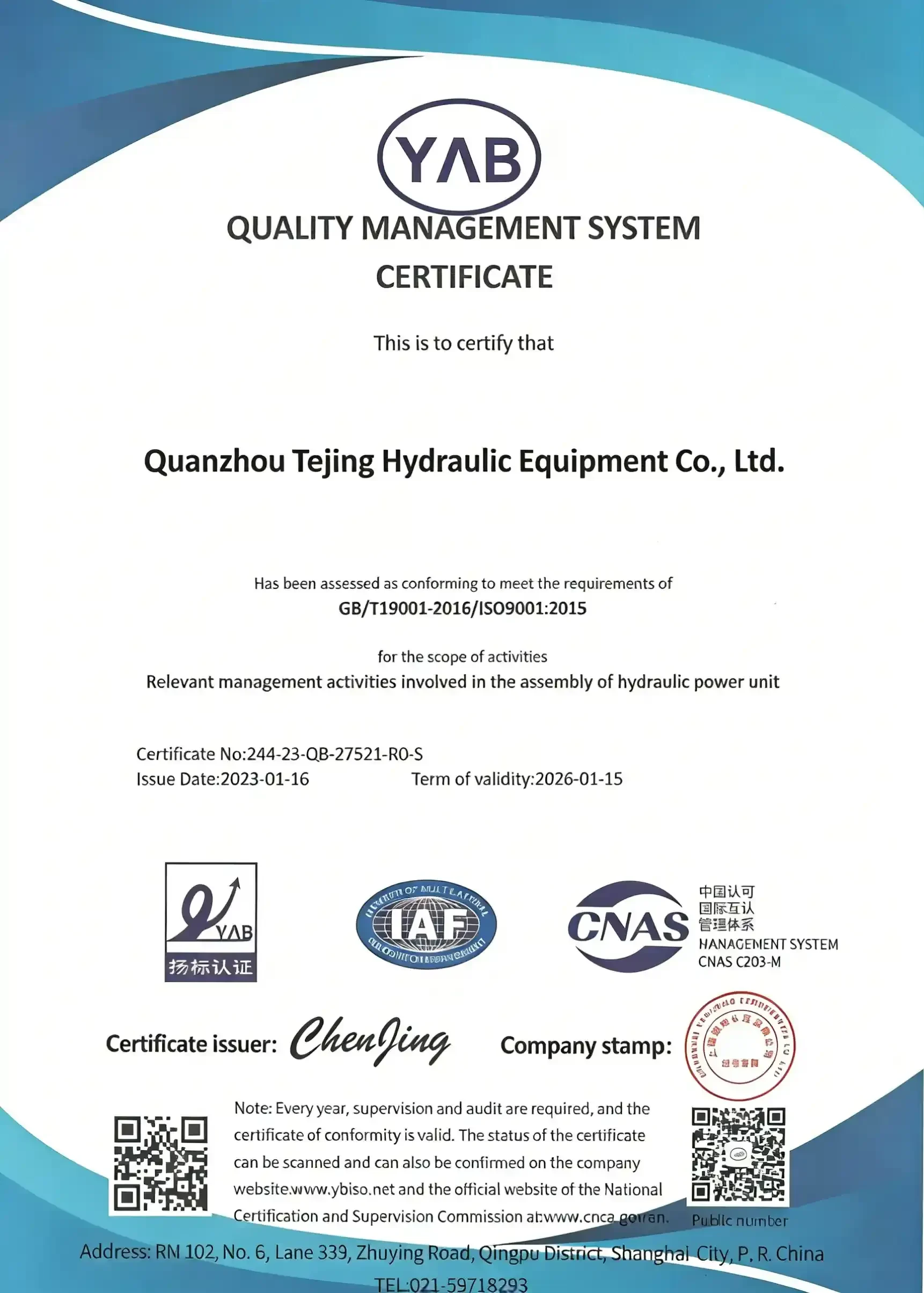
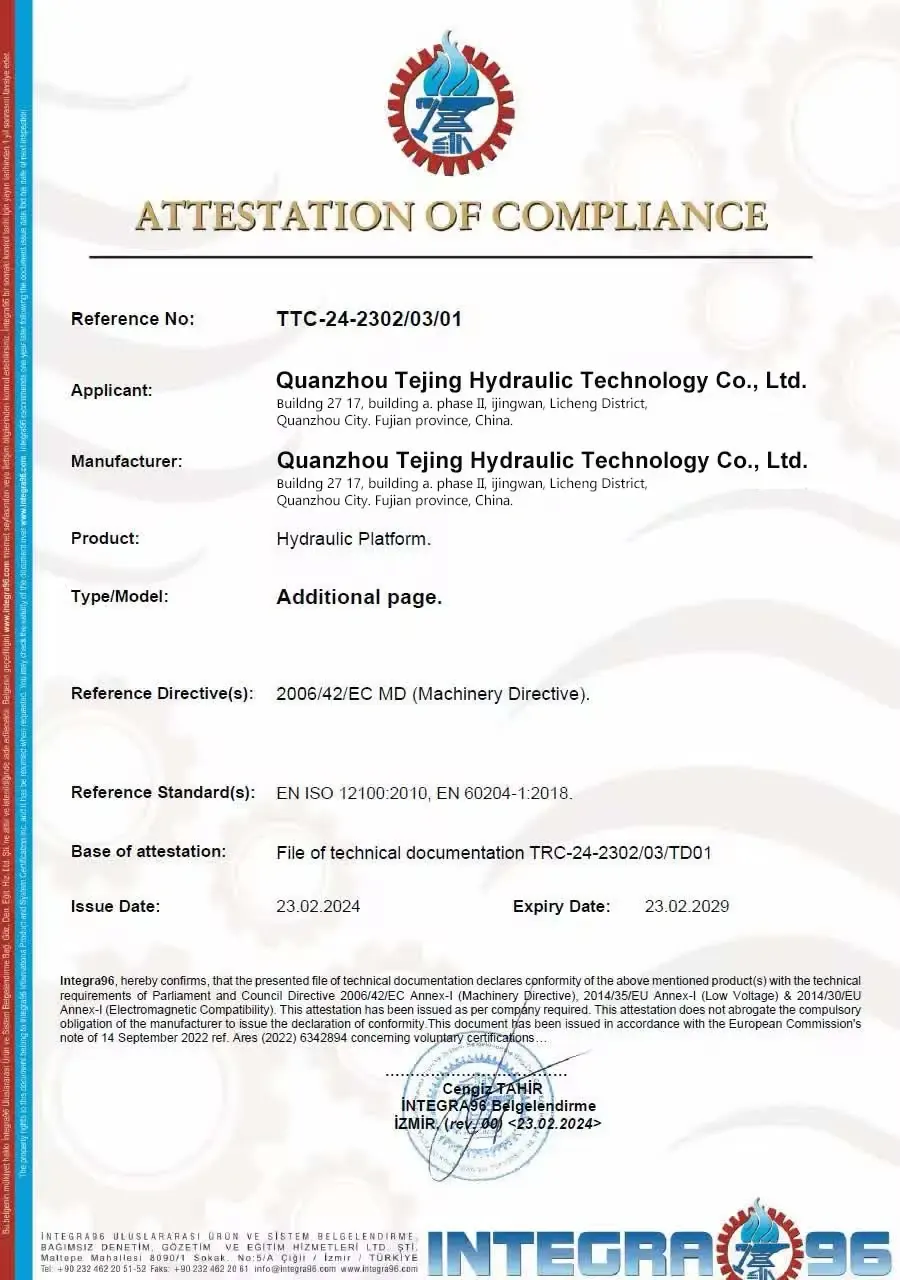
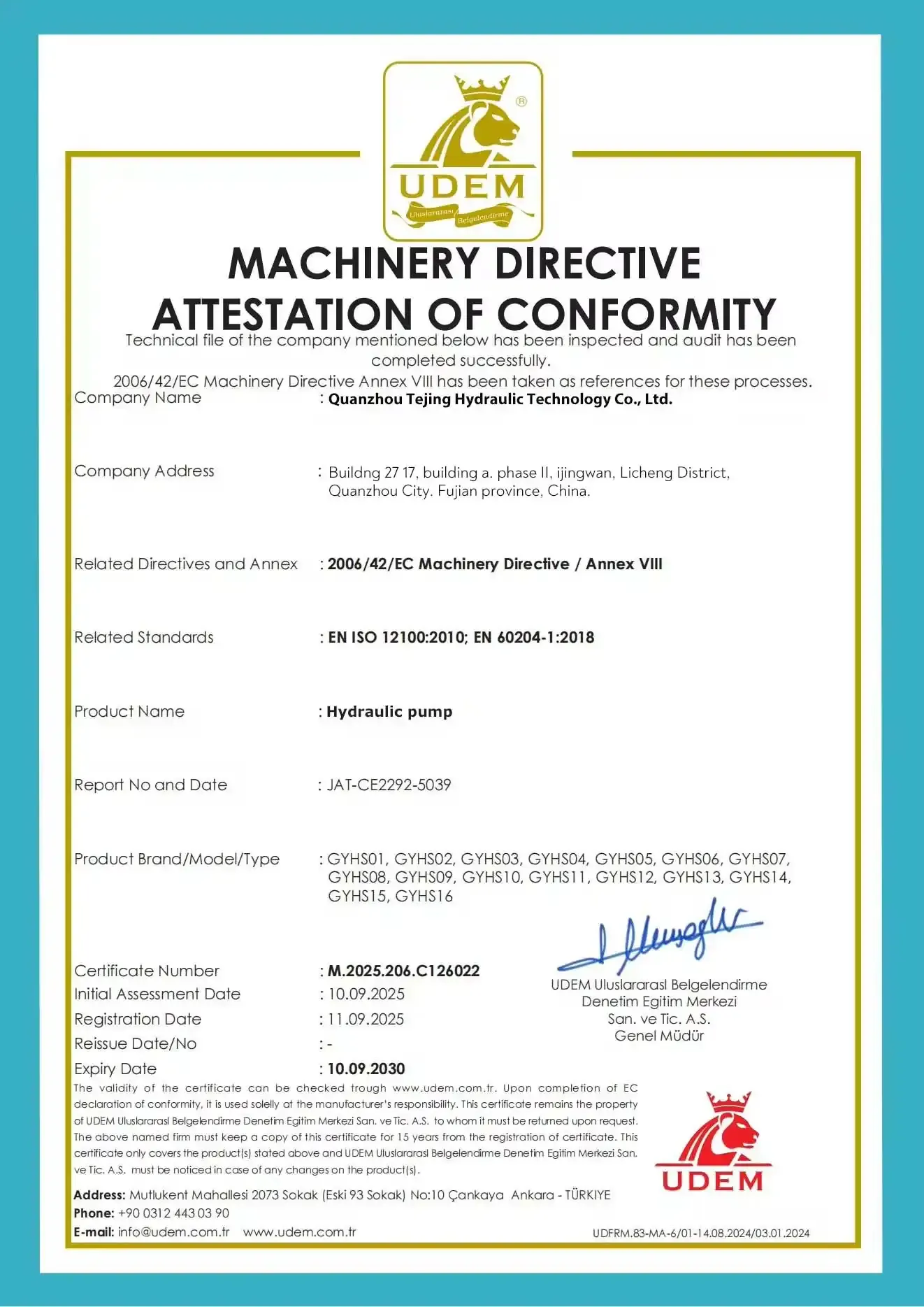
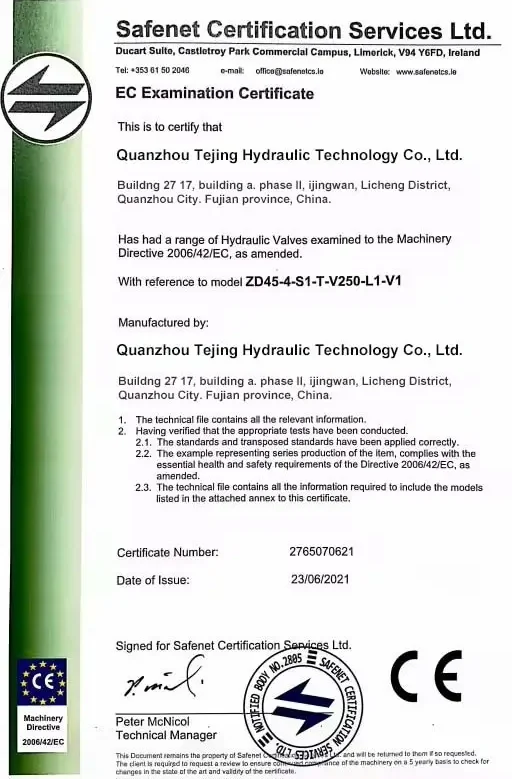
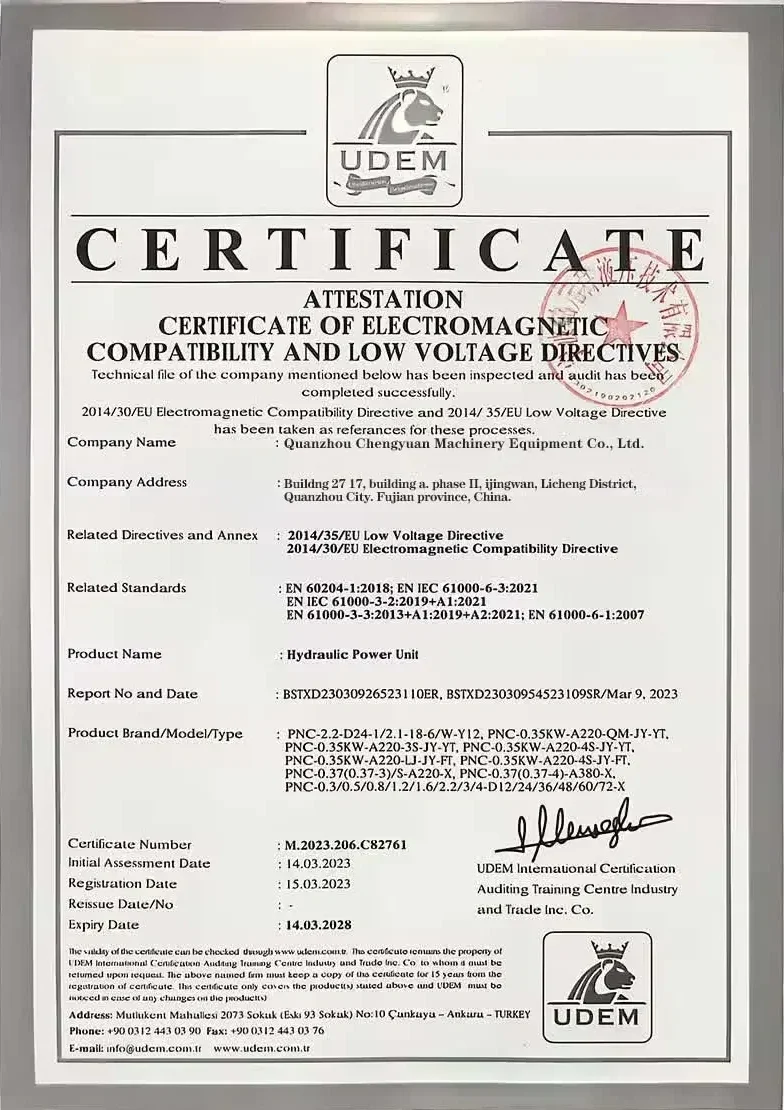
Certifications & Compliance

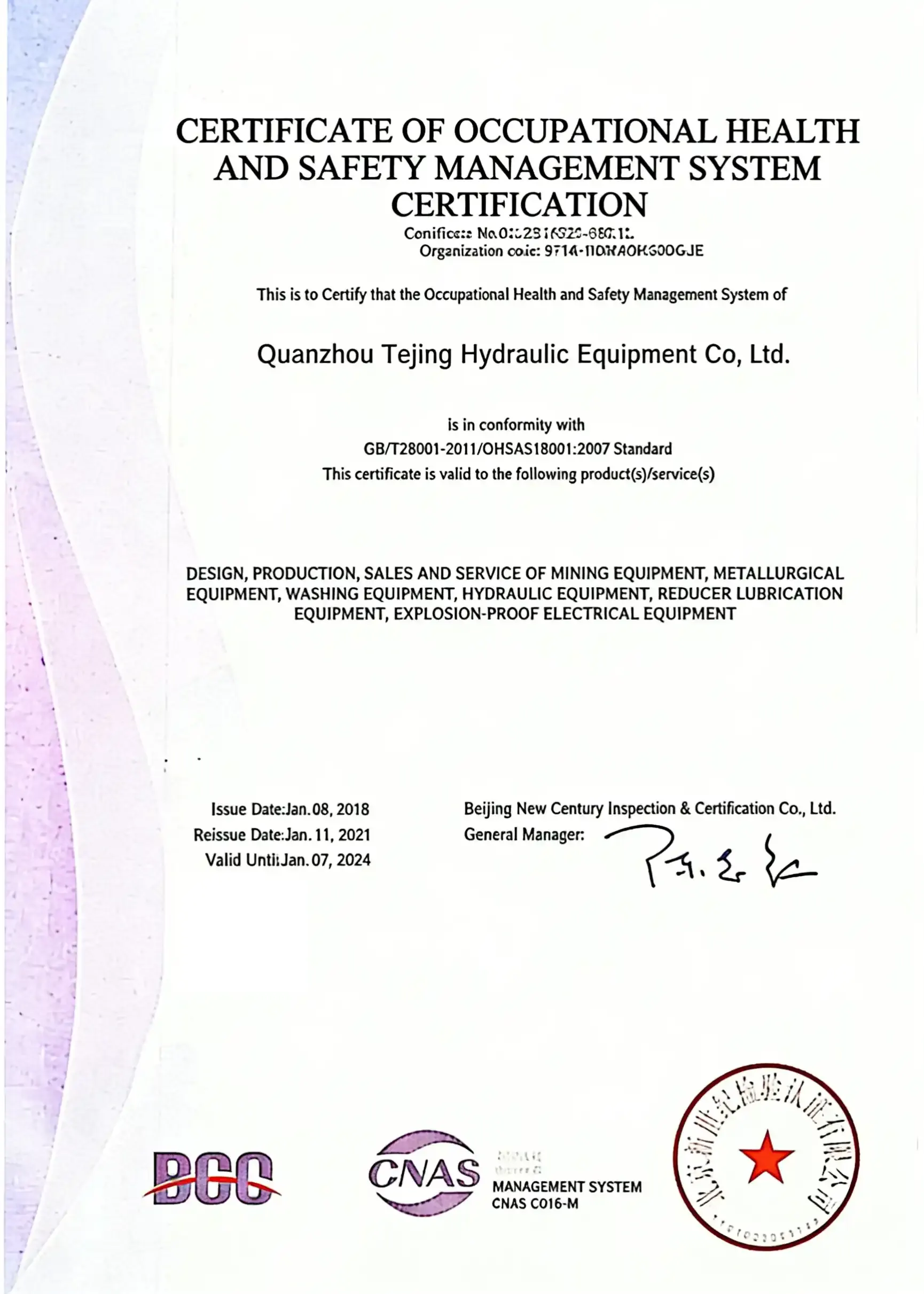
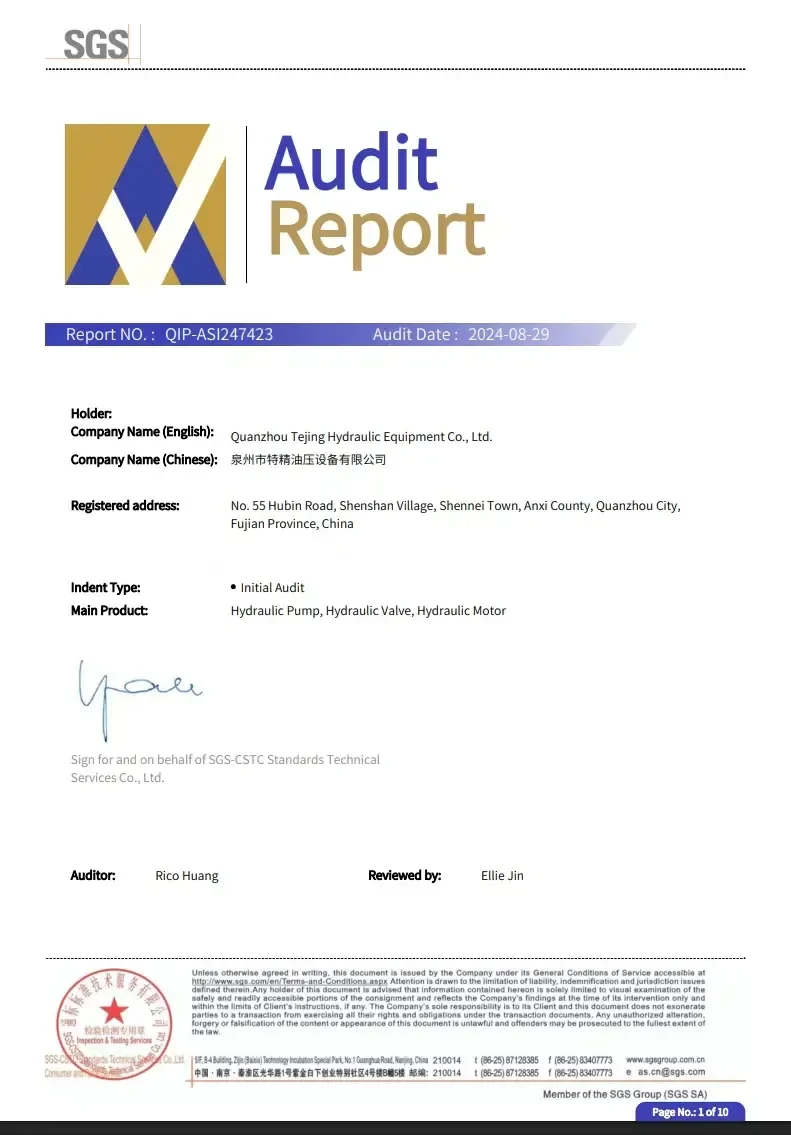
Certificates and qualification materials support buyer confidence during supplier
review and sourcing evaluation.

SUPPORT

Help Center

How does a hydraulic solenoid valve work?

Electrical current energizes the coil and creates a magnetic field that moves an armature. The armature directly operates a poppet or shifts a pilot stage or spool, opening, closing, or redirecting the hydraulic flow path.

What is the difference between a direct-acting and a pilot-operated solenoid valve?

A direct-acting solenoid moves the main sealing element and can work with little or no pressure differential, but its flow capacity is limited. A pilot-operated valve uses hydraulic pressure to shift the main stage and can control higher flow.

How do I choose the correct solenoid coil voltage?

Match the coil to the available AC or DC supply, frequency, allowable voltage tolerance, connector, power rating, duty cycle, insulation class, ambient temperature, ingress protection, and any hazardous-location requirements. Applying the wrong voltage can cause weak operation or coil failure.

Why is a solenoid valve not switching correctly?

Possible causes include incorrect voltage, a burned or loose coil, contamination, a stuck spool or armature, insufficient pilot pressure, excessive back pressure, blocked passages, damaged seals, incorrect installation, fluid viscosity problems, or flow beyond the valve rating.

Can you customize products, and is there a minimum order quantity?

Absolutely. We provide OEM/ODM services and can manufacture according to your samples or technical drawings. Yes, there is a minimum order quantity, but it is flexible. Spare parts often have an MOQ of 1 piece, while complete pumps or motors vary by model—please inquire for details.

How quickly can you deliver products, and what shipping methods are available?

For in-stock items, we can ship within 3 days. For custom or non-stock items, delivery usually takes 7–15 days. We’ll confirm exact timing based on current inventory. We offer flexible shipping via express carriers (DHL, FedEx, UPS) and sea freight (CIF/FOB). We can also deliver to your designated freight forwarder in China.

Are you a factory or a trading company, and how do you ensure product quality?

We are a hybrid—both a manufacturer and a trading company. We produce our own products and also source specific components to offer complete solutions. We follow strict quality control protocols. All parts undergo CNC machining and heat treatment, and each is 100% tested before delivery to guarantee precision and reliability.

What payment methods do you accept, and what is the warranty period?

We accept T/T, L/C, Western Union, Alibaba Trade Assurance, and VISA. For new customers, we usually require full prepayment or a 30% deposit with the balance due before shipment. All products come with a 1-year warranty, provided they are installed and operated under normal conditions.

agriculture
What Are Hydraulic Components and How Do They Work?
Hydraulic components are essential parts of hydraulic systems that use pressurized fluid to transmit...
行业应用-港口船舶液压系统
How to Choose the Right Hydraulic Components for Your Equipment
Hydraulic components are essential parts of hydraulic systems that use pressurized fluid to transmit...
行业应用-冶金自动化液压系统
Common Types of Hydraulic Components and Their Applications
Hydraulic components are essential parts of hydraulic systems that use pressurized fluid to transmit...
CONTACT US

Send Your Hydraulic
Inquiry

Tell us the model, application or target part number. Our sales team will help confirm specifications and quotation details.

Anya Zhang

anyazhang@tejingyy.com | +8618159153182

Taylor Shen 

taylorshen@tejingyy.com | +861815059722
Bill Yang 

billyang@tejingyy.com | +8618160919625

Mon-Fri/Sat 9:00-18:00 UTC+8

Get Inquiry