Directional Valve Manufacturer

Hydraulic Products for Sale

Product Category

Contact Us

Can't Find the Right Hydraulic Product?

OVERVIEW

Introduction to the Directional Valve

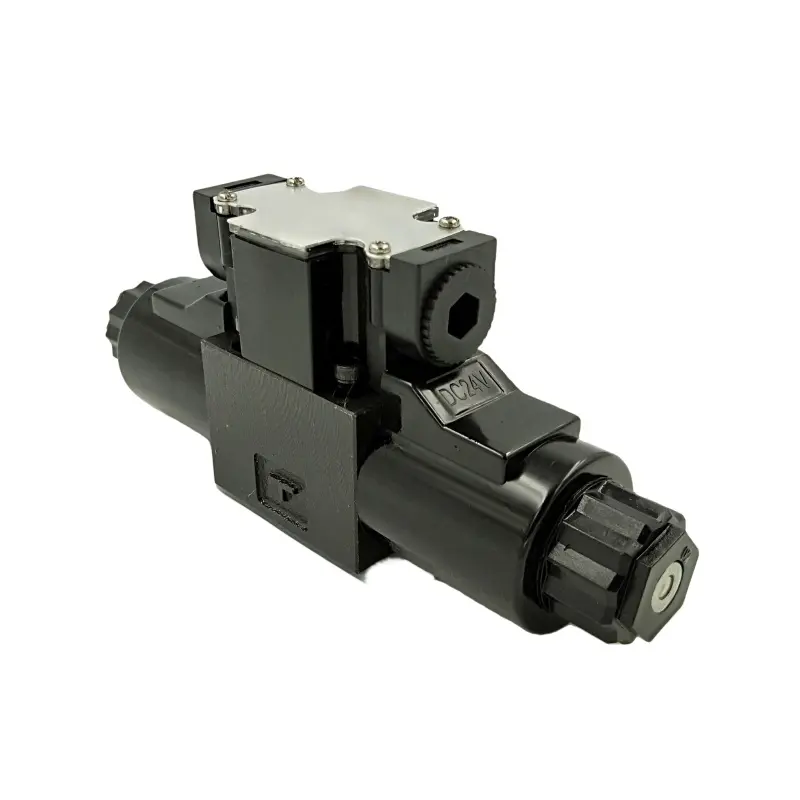
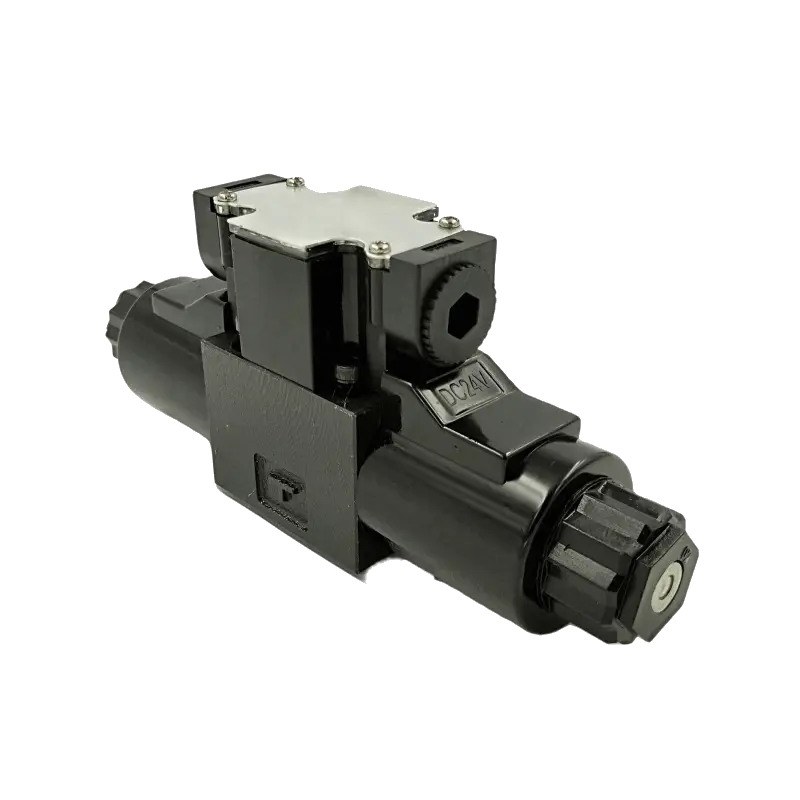
A directional valve is a hydraulic control valve that starts, stops, and redirects fluid between pressure, actuator, and tank ports. Internal spools, poppets, or rotary elements shift between defined positions to determine which flow paths are open, blocked, or connected.

Directional valves are available in two-way, three-way, four-way, and multi-position configurations with manual, mechanical, solenoid, pneumatic, or hydraulic actuation. They are essential for controlling cylinder movement, motor rotation, circuit unloading, and safe neutral conditions in mobile and industrial systems.

Products Functions

Functions of the Directional Valve

Hydraulic Parts for All Construction Machinery

 Route Hydraulic Flow Between Circuit Ports

Route Hydraulic Flow Between Circuit Ports

The directional valve connects selected pressure, actuator, and return ports according to spool or poppet position. By opening one path and closing another, it determines where hydraulic fluid travels and which component receives power during each machine operating state.
Start and Stop Actuator Movement

Start and Stop Actuator Movement

A directional valve can supply flow to a cylinder or motor when motion is required and block or divert flow when the actuator must stop. The selected center condition determines whether the pump unloads, pressure remains available, or actuator ports are locked.

 Reverse Cylinder and Motor Direction

Reverse Cylinder and Motor Direction

Four-way directional valves exchange the supply and return connections to opposite actuator ports. This reverses cylinder extension and retraction or changes hydraulic motor rotation without physically altering hoses, providing controlled bidirectional movement through a single valve assembly.

Establish Safe and Functional Neutral Conditions

Establish Safe and Functional Neutral Conditions

Multi-position valves use a center spool configuration to define circuit behavior when no command is applied. Open, closed, tandem, float, and other center patterns can unload the pump, hold a load, release an actuator, or maintain standby pressure.
Integrate Hydraulic Motion with Machine Automation

Integrate Hydraulic Motion with Machine Automation

Solenoid, pilot, and mechanically actuated directional valves respond to controllers, limit switches, pressure signals, or operator commands. They allow hydraulic movements to follow automated sequences, safety interlocks, and coordinated machine cycles with consistent and repeatable switching.
Uses

Directional Valve Uses

Construction Machinery

Directional valves control boom, bucket, steering, travel, attachment, and stabilizer movements in construction machinery.

Agricultural Machinery

A directional valve routes flow for tractor lifting, steering, folding, harvesting, and implement functions in agricultural machinery.

Marine & Ship Equipment

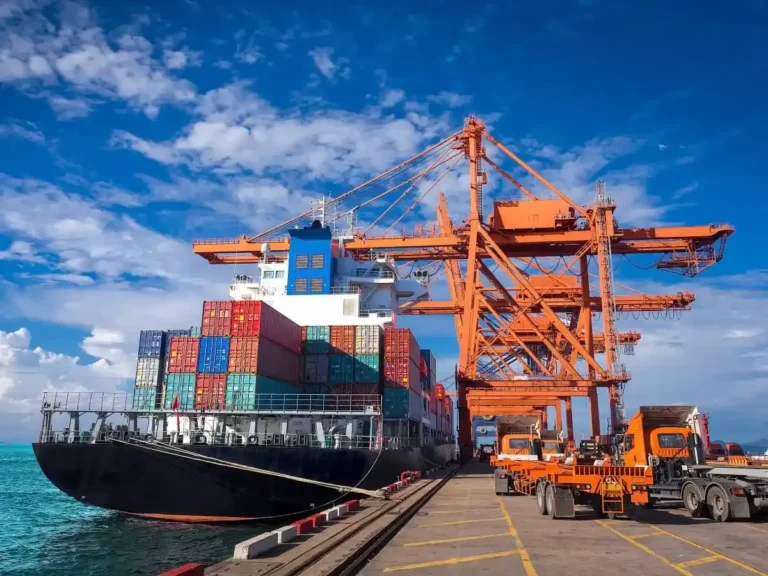
Directional valves manage steering, winches, cranes, hatches, thrusters, and deck machinery in marine hydraulic systems.

Mining Equipment

Heavy-duty directional valves switch actuator and motor circuits in drilling, conveying, support, and mining equipment.

Plastic & Metallurgy Industrial Machine

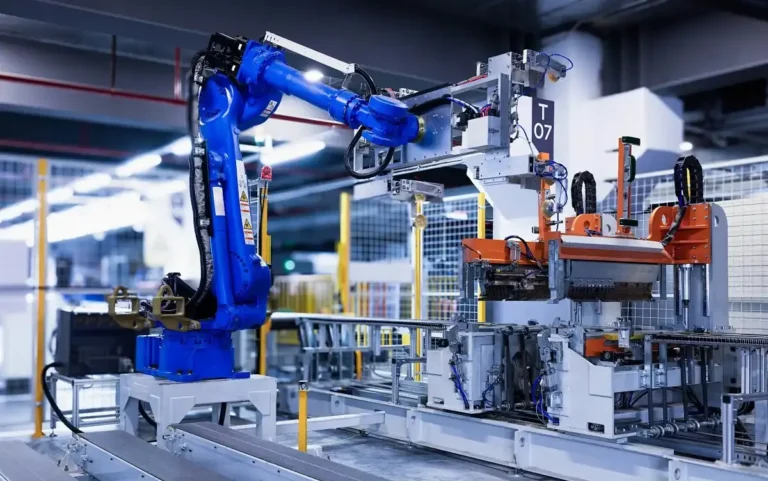
Directional valves control clamping, injection, ejection, pressing, rolling, and handling cycles in plastic or metallurgy industrial machines.
QUALITY

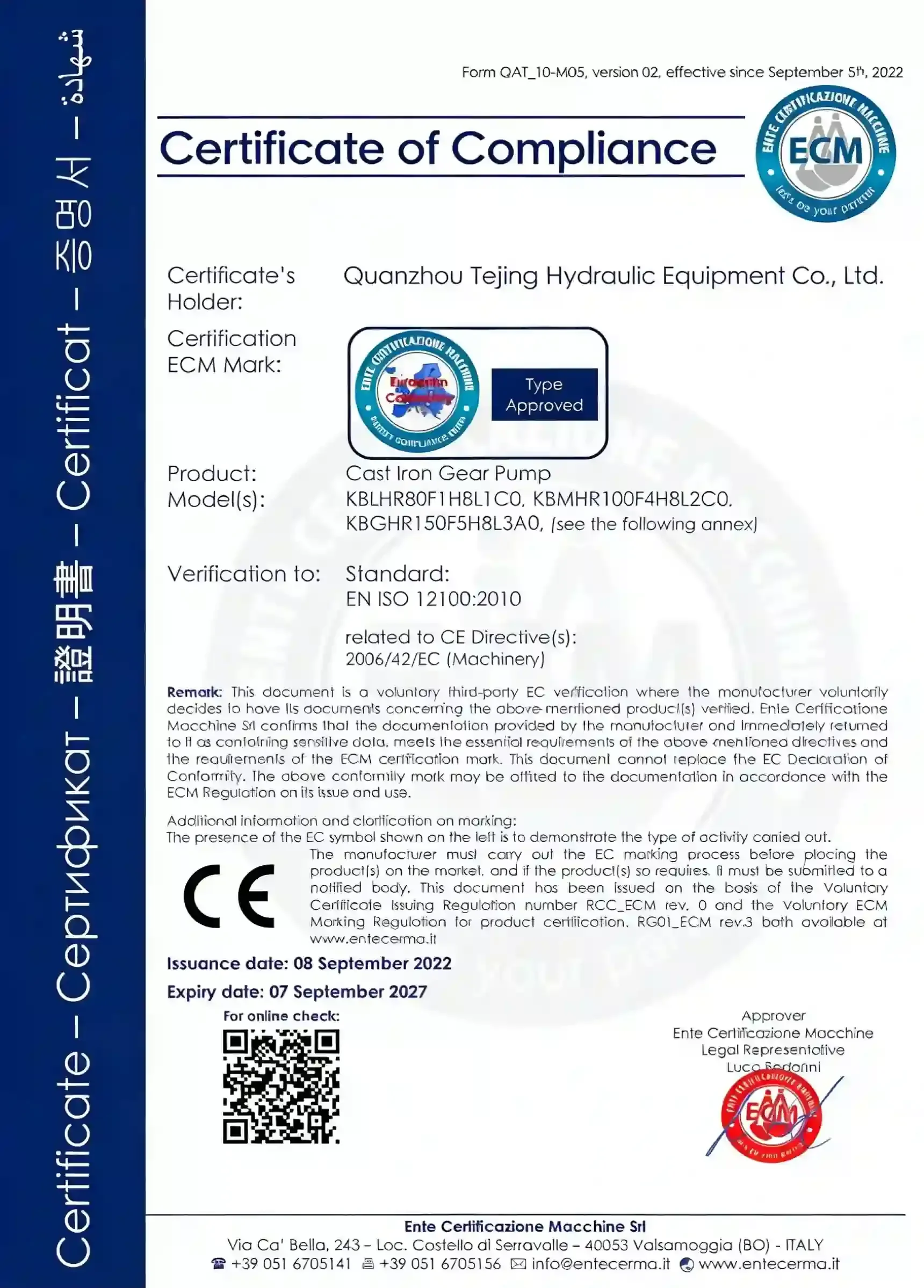
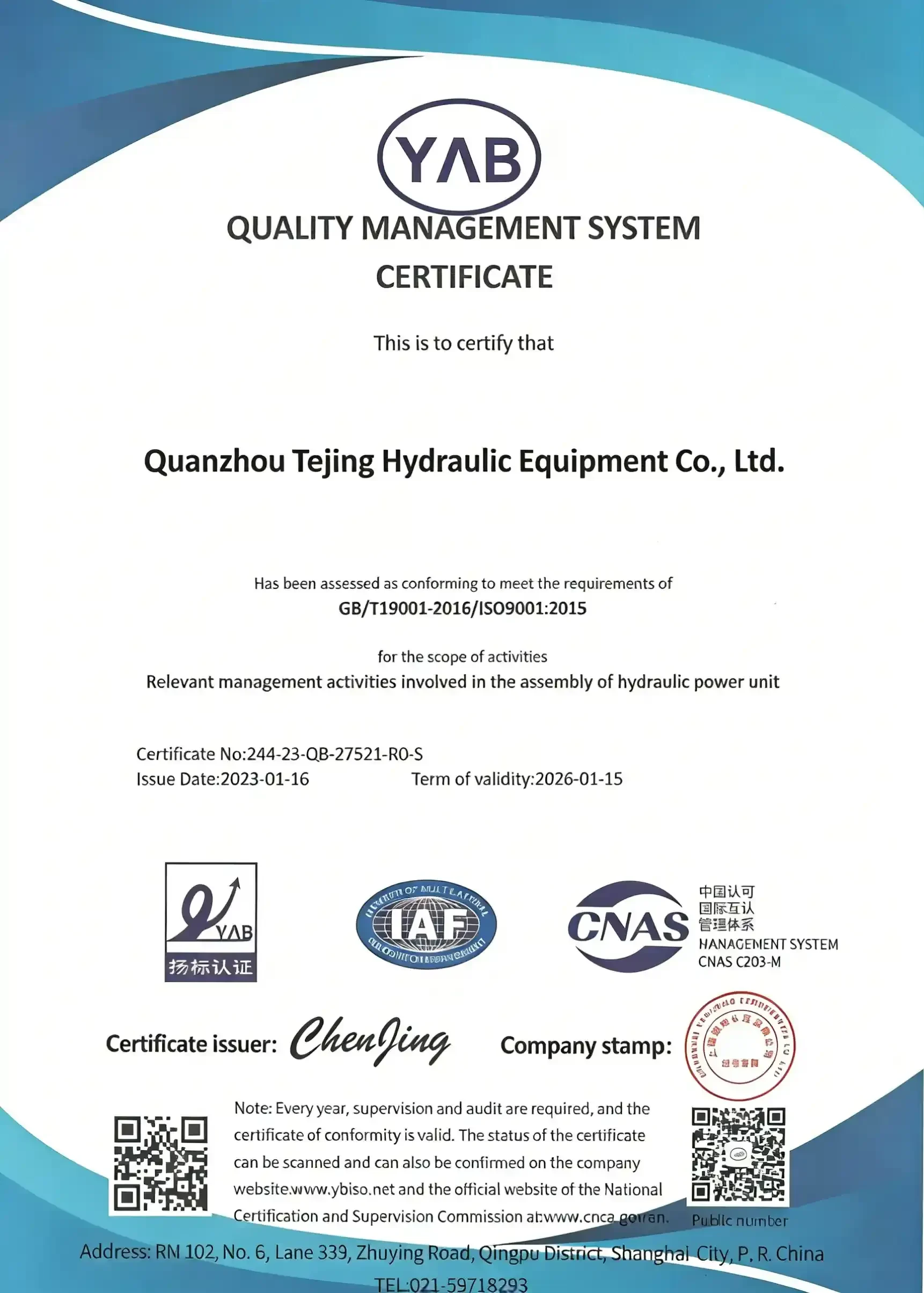
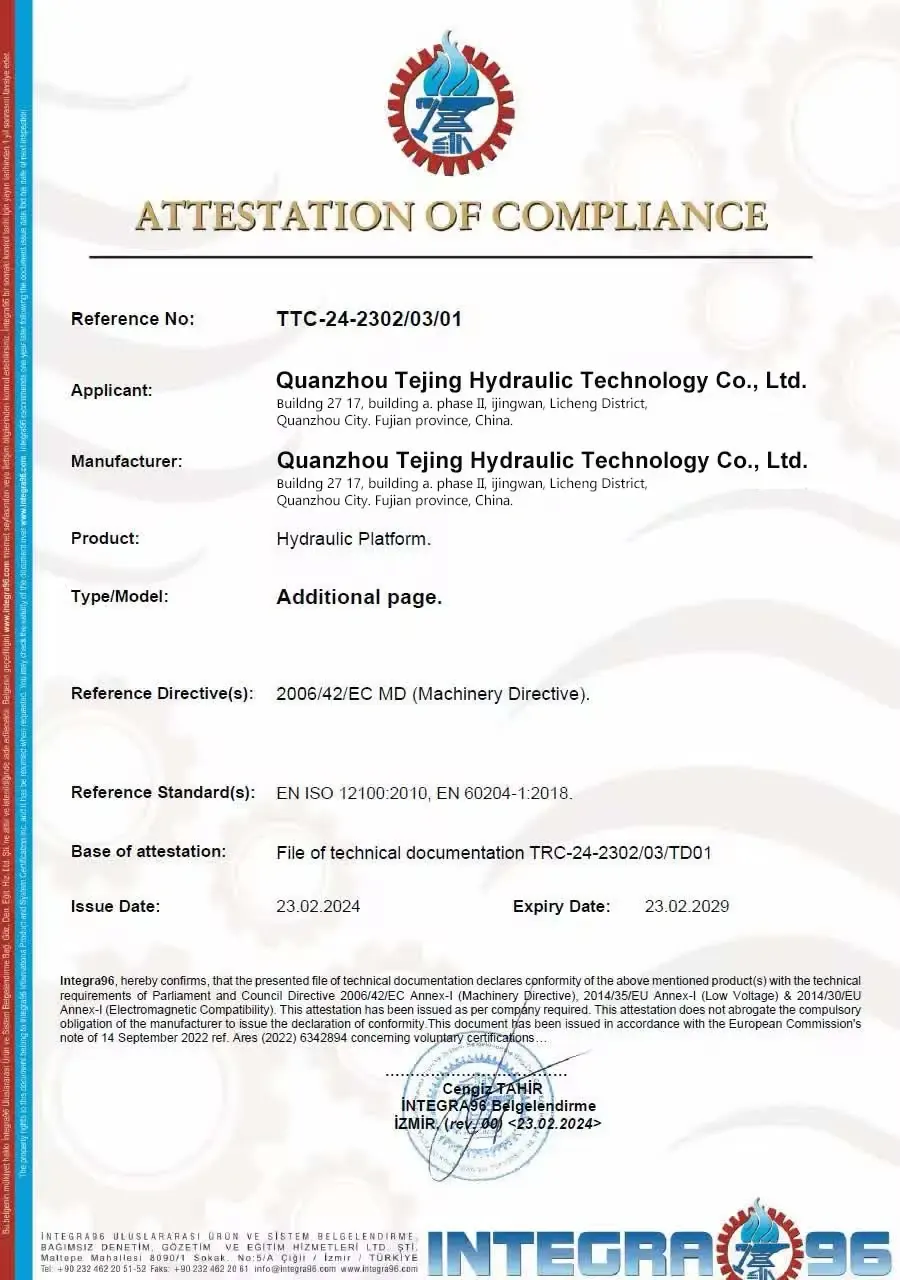
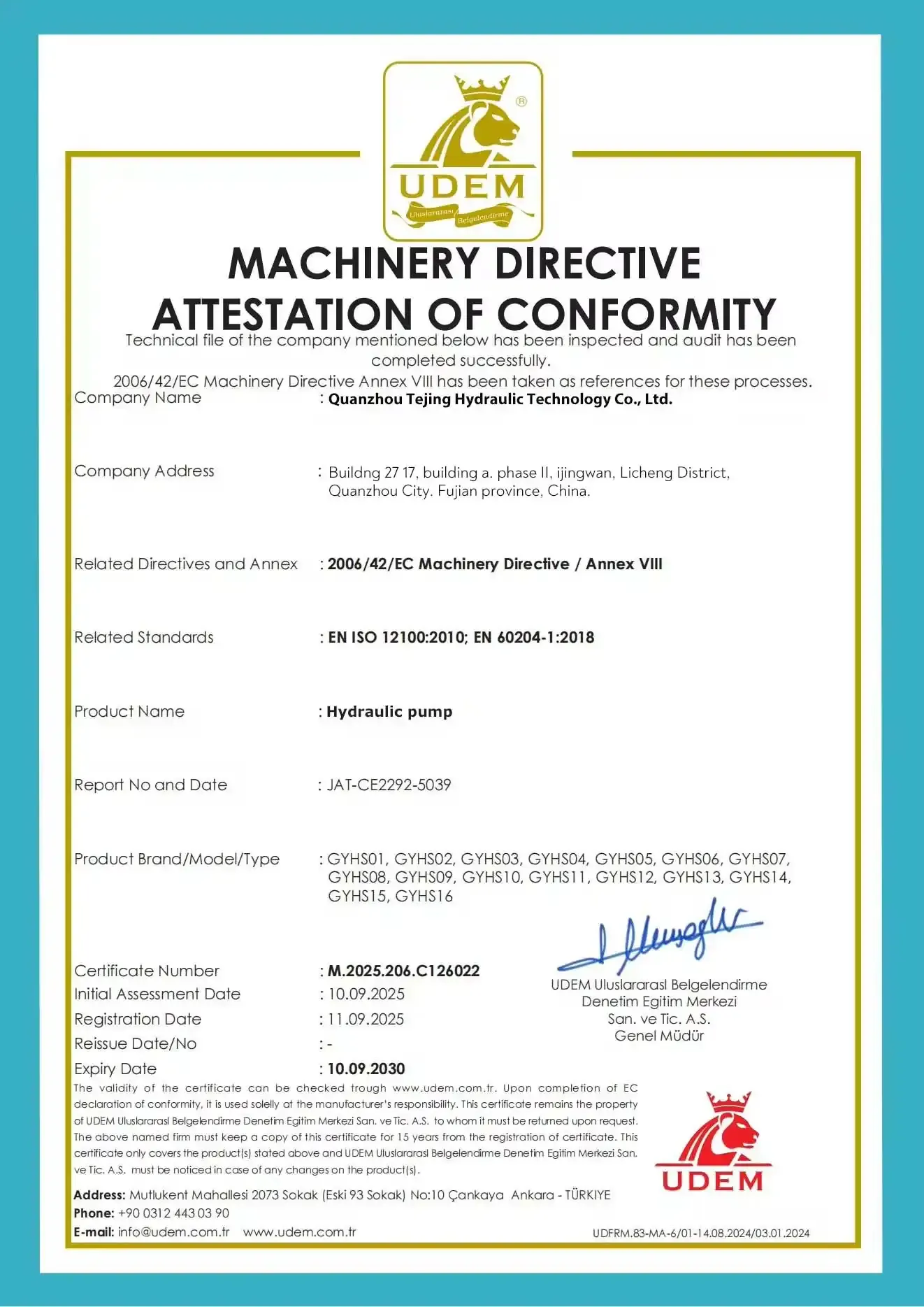
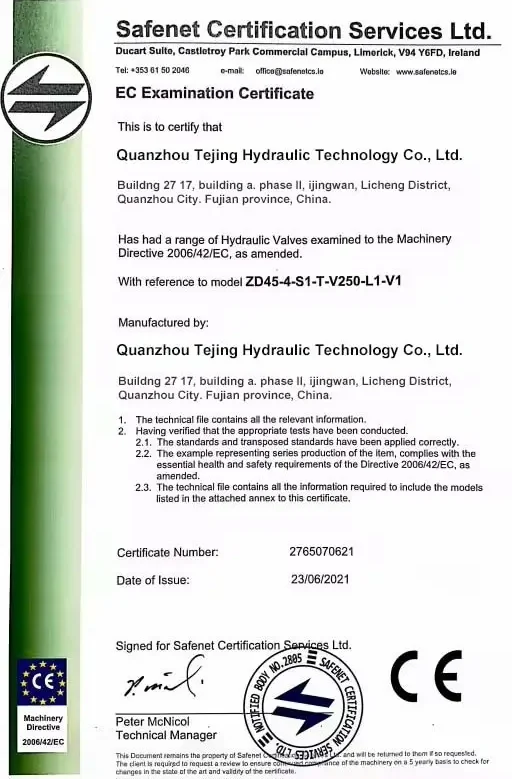
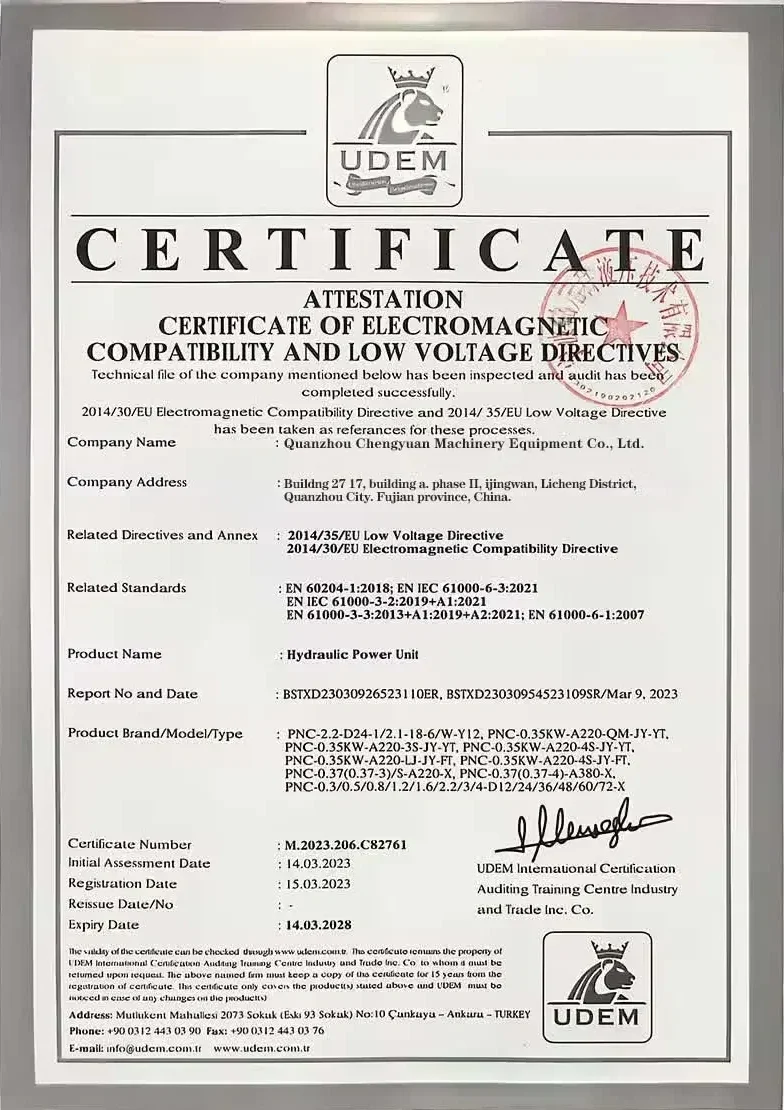
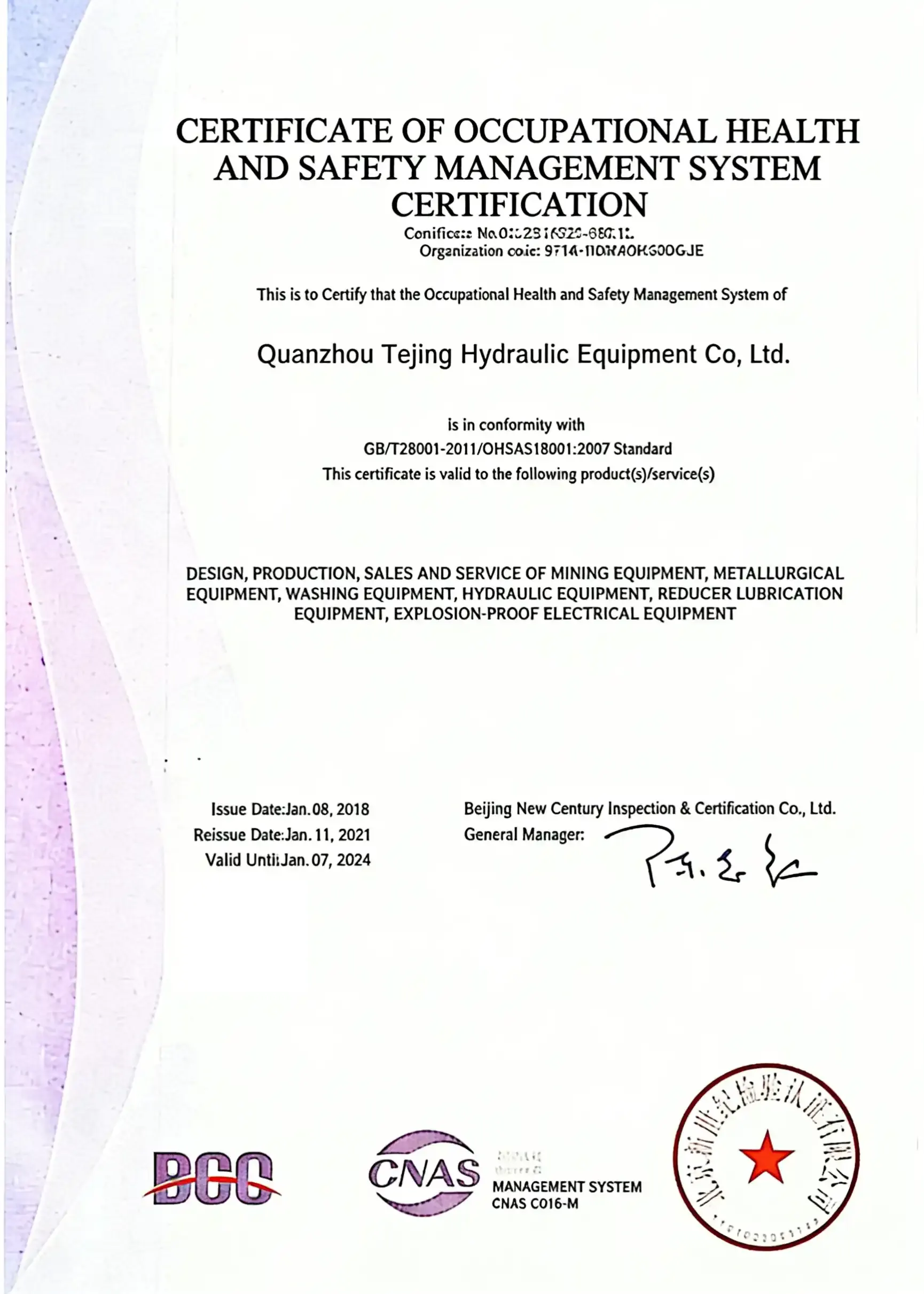
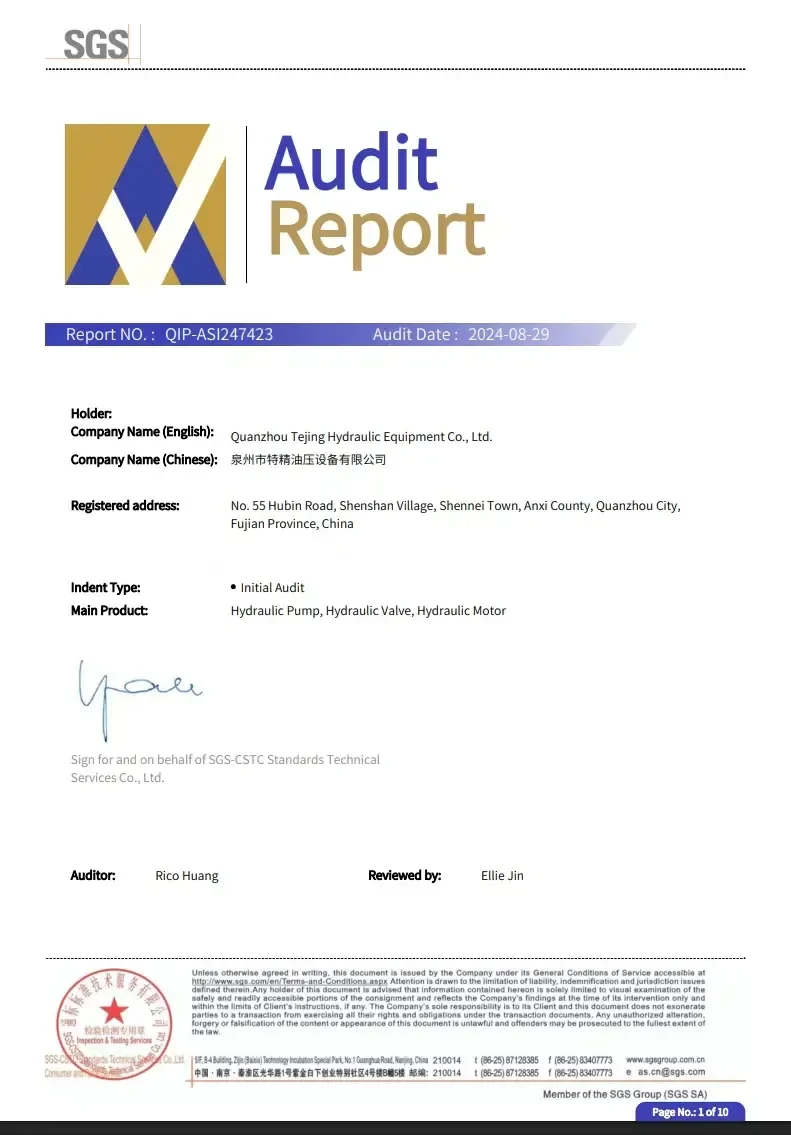
Certifications & Compliance

Certificates and qualification materials support buyer confidence during supplier
review and sourcing evaluation.

SUPPORT

Help Center

How does a hydraulic directional valve work?

A directional valve shifts a spool, poppet, or rotary element to connect and block selected ports. The resulting flow paths determine whether an actuator starts, stops, extends, retracts, rotates forward, rotates backward, floats, or remains hydraulically locked.

What do valve designations such as 4/2 and 4/3 mean?

The first number identifies the number of main ports, and the second identifies the number of valve positions. A 4/2 directional valve has four ports and two positions, while a 4/3 valve has four ports and three positions.

How do I choose the correct center condition for a directional valve?

Choose the center condition according to pump type, load-holding requirements, actuator behavior, standby pressure, heat generation, and safety. Common centers include closed, open, tandem, float, and combinations that connect or block specific ports.

Why might a directional valve spool fail to shift?

Possible causes include contamination, damaged spool surfaces, incorrect voltage, a failed coil, insufficient pilot pressure, excessive tank back pressure, a broken return spring, mechanical misalignment, cold or incorrect-viscosity oil, and pressure or flow beyond the valve rating.

Can you customize products, and is there a minimum order quantity?

Absolutely. We provide OEM/ODM services and can manufacture according to your samples or technical drawings. Yes, there is a minimum order quantity, but it is flexible. Spare parts often have an MOQ of 1 piece, while complete pumps or motors vary by model—please inquire for details.

How quickly can you deliver products, and what shipping methods are available?

For in-stock items, we can ship within 3 days. For custom or non-stock items, delivery usually takes 7–15 days. We’ll confirm exact timing based on current inventory. We offer flexible shipping via express carriers (DHL, FedEx, UPS) and sea freight (CIF/FOB). We can also deliver to your designated freight forwarder in China.

Are you a factory or a trading company, and how do you ensure product quality?

We are a hybrid—both a manufacturer and a trading company. We produce our own products and also source specific components to offer complete solutions. We follow strict quality control protocols. All parts undergo CNC machining and heat treatment, and each is 100% tested before delivery to guarantee precision and reliability.

What payment methods do you accept, and what is the warranty period?

We accept T/T, L/C, Western Union, Alibaba Trade Assurance, and VISA. For new customers, we usually require full prepayment or a 30% deposit with the balance due before shipment. All products come with a 1-year warranty, provided they are installed and operated under normal conditions.

agriculture
What Are Hydraulic Components and How Do They Work?
Hydraulic components are essential parts of hydraulic systems that use pressurized fluid to transmit...
行业应用-港口船舶液压系统
How to Choose the Right Hydraulic Components for Your Equipment
Hydraulic components are essential parts of hydraulic systems that use pressurized fluid to transmit...
行业应用-冶金自动化液压系统
Common Types of Hydraulic Components and Their Applications
Hydraulic components are essential parts of hydraulic systems that use pressurized fluid to transmit...
CONTACT US

Send Your Hydraulic
Inquiry

Tell us the model, application or target part number. Our sales team will help confirm specifications and quotation details.

Anya Zhang

anyazhang@tejingyy.com | +8618159153182

Taylor Shen 

taylorshen@tejingyy.com | +861815059722
Bill Yang 

billyang@tejingyy.com | +8618160919625

Mon-Fri/Sat 9:00-18:00 UTC+8

Get Inquiry