Check Valve Manufacturer

Hydraulic Products for Sale

Product Category

Contact Us

Can't Find the Right Hydraulic Product?

OVERVIEW

Introduction to the Check Valve

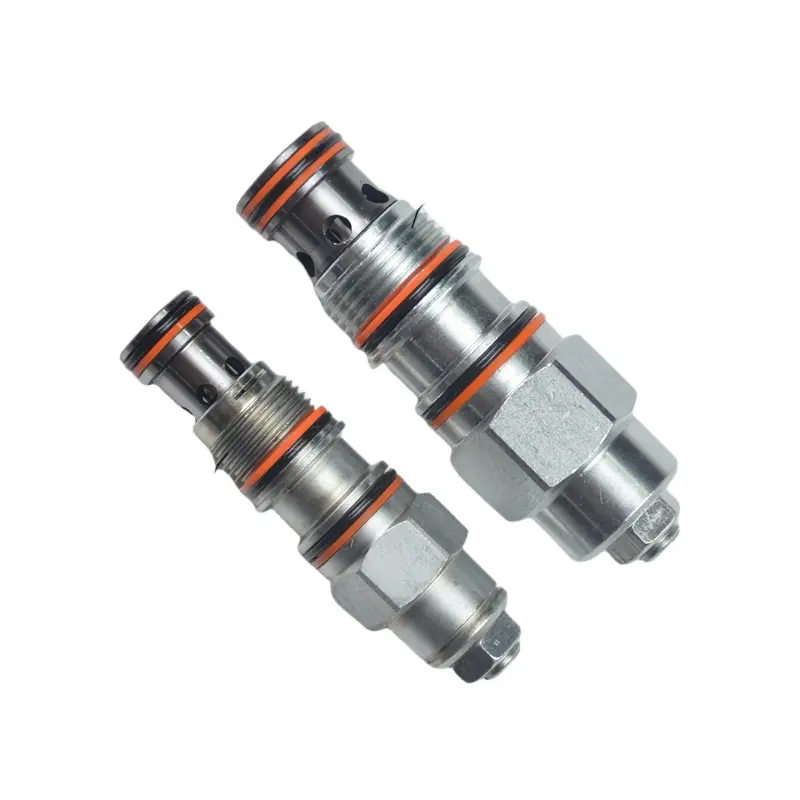
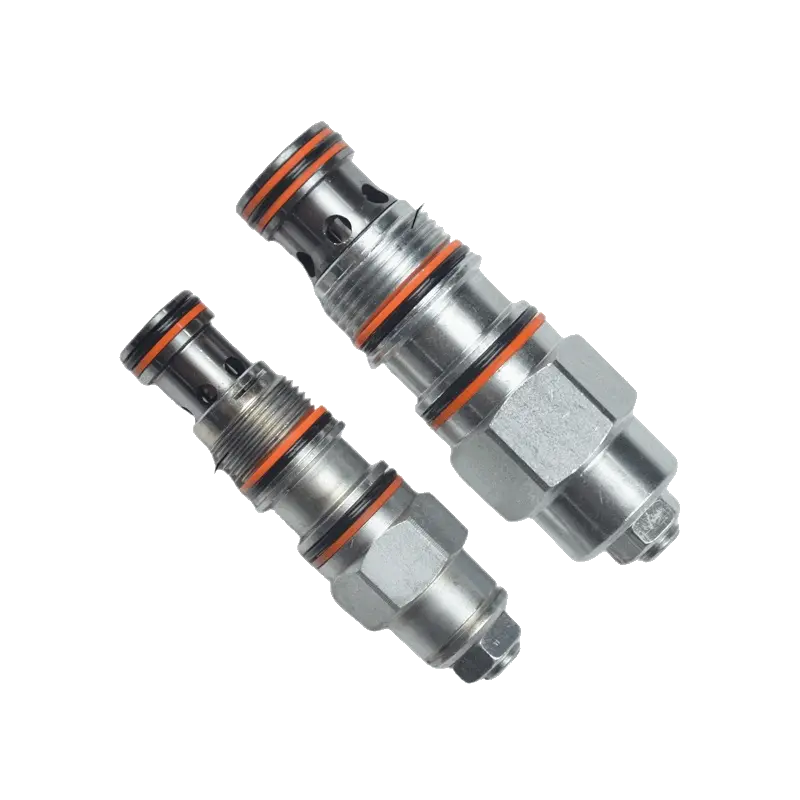
A check valve is a hydraulic valve that permits fluid flow in one direction and blocks reverse flow automatically. A ball, poppet, plate, or cartridge element opens when inlet pressure exceeds the spring force and downstream pressure, then closes when the pressure differential reverses.

Check valves are simple but essential components for protecting pumps, maintaining pressure, isolating circuits, and preventing unintended actuator movement. Standard, spring-loaded, pilot-operated, and load-holding designs are available for mobile, marine, mining, agricultural, and industrial hydraulic systems.

Products Functions

Functions of the Check Valve

Hydraulic Parts for All Construction Machinery

Allow One-Way Hydraulic Flow

Allow One-Way Hydraulic Flow

The check valve opens when upstream pressure reaches the required cracking pressure, allowing fluid to pass in the intended direction. When flow attempts to reverse, the internal sealing element seats automatically and blocks the return path without an external control signal.
 Prevent Reverse Rotation and Backflow

Prevent Reverse Rotation and Backflow

By stopping hydraulic fluid from flowing backward, a check valve protects pumps, motors, filters, accumulators, and connected pipework. It can also help prevent a driven load from forcing a hydraulic motor or pump to rotate in an unintended direction.

 Maintain Pressure and Hold Hydraulic Loads

Maintain Pressure and Hold Hydraulic Loads

Check valves can trap fluid within a branch of the circuit and help maintain pressure after the supply is removed. Pilot-operated or load-holding versions provide controlled locking for cylinders and actuators that must remain in position under external load.
 Isolate Parallel and Auxiliary Circuits

Isolate Parallel and Auxiliary Circuits

A check valve prevents flow from one circuit branch from feeding backward into another branch with lower pressure. This supports pump isolation, accumulator charging, pressure sequencing, bypass arrangements, and multiple-source systems while keeping each flow path properly separated.

Protect Components During Pressure Changes

Protect Components During Pressure Changes

Correctly positioned check valves help manage transient flow when pumps start or stop and when loads shift direction. They reduce drain-back, prevent loss of prime, and limit unwanted pressure transfer that could cause movement, cavitation, or component damage.
Uses

Check Valve Uses

Construction Machinery

Check valves prevent reverse flow, hold loads, and protect pumps and actuators in excavators, loaders, cranes, and other construction machinery.

Agricultural Machinery

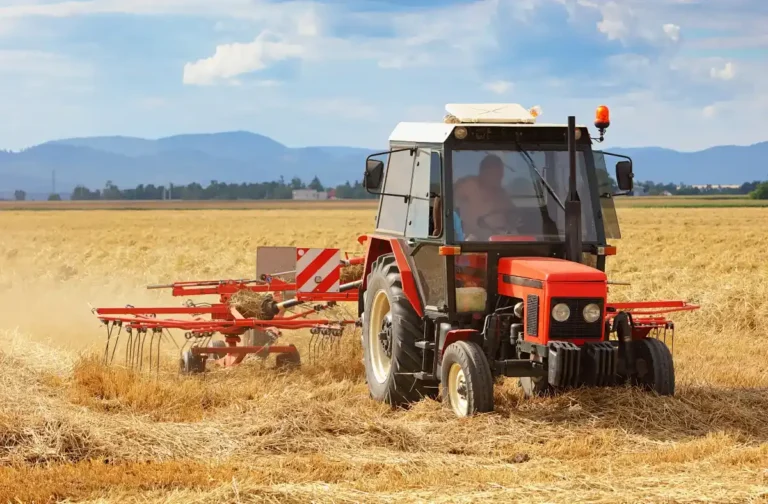
A check valve maintains pressure and controls one-way flow in tractor hydraulics, lifting systems, sprayers, and agricultural machinery attachments.

Marine & Ship Equipment

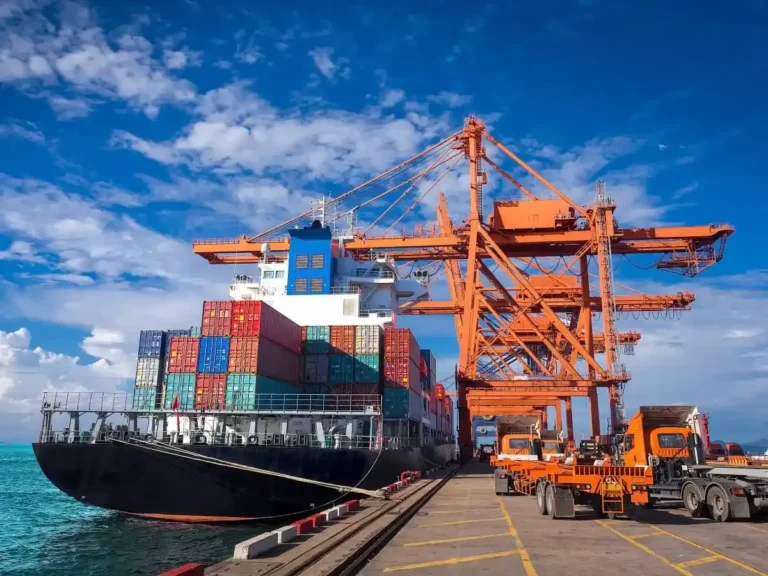
Check valves protect steering, winch, deck, lubrication, and ballast-related hydraulic circuits in marine and ship equipment.

Mining Equipment

Heavy-duty check valves isolate circuits and help hold loads safely in roof supports, drilling systems, conveyors, and mining equipment.

Plastic & Metallurgy Industrial Machine

Check valves maintain pressure and prevent backflow in presses, molding machines, accumulators, and plastic or metallurgy industrial equipment.
QUALITY

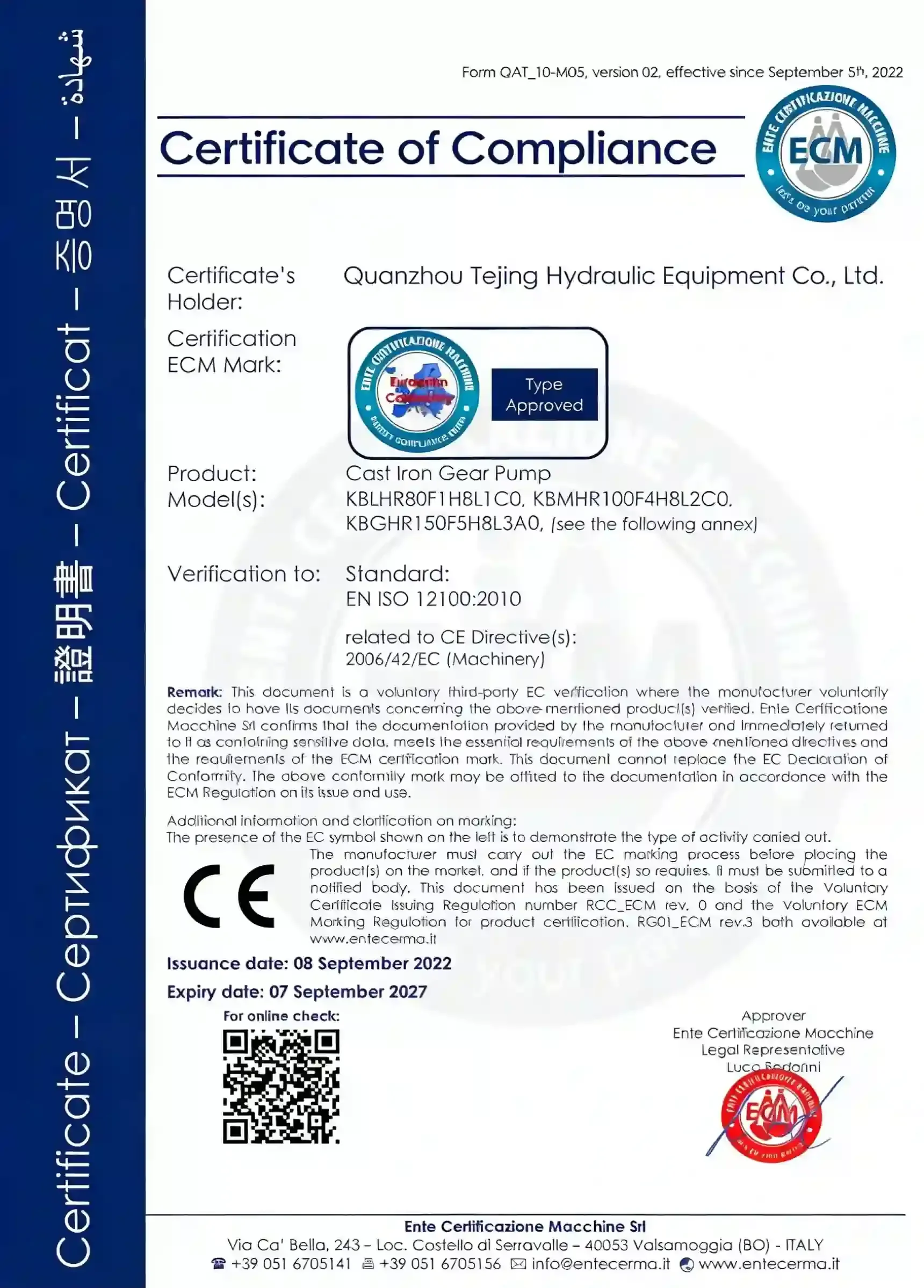
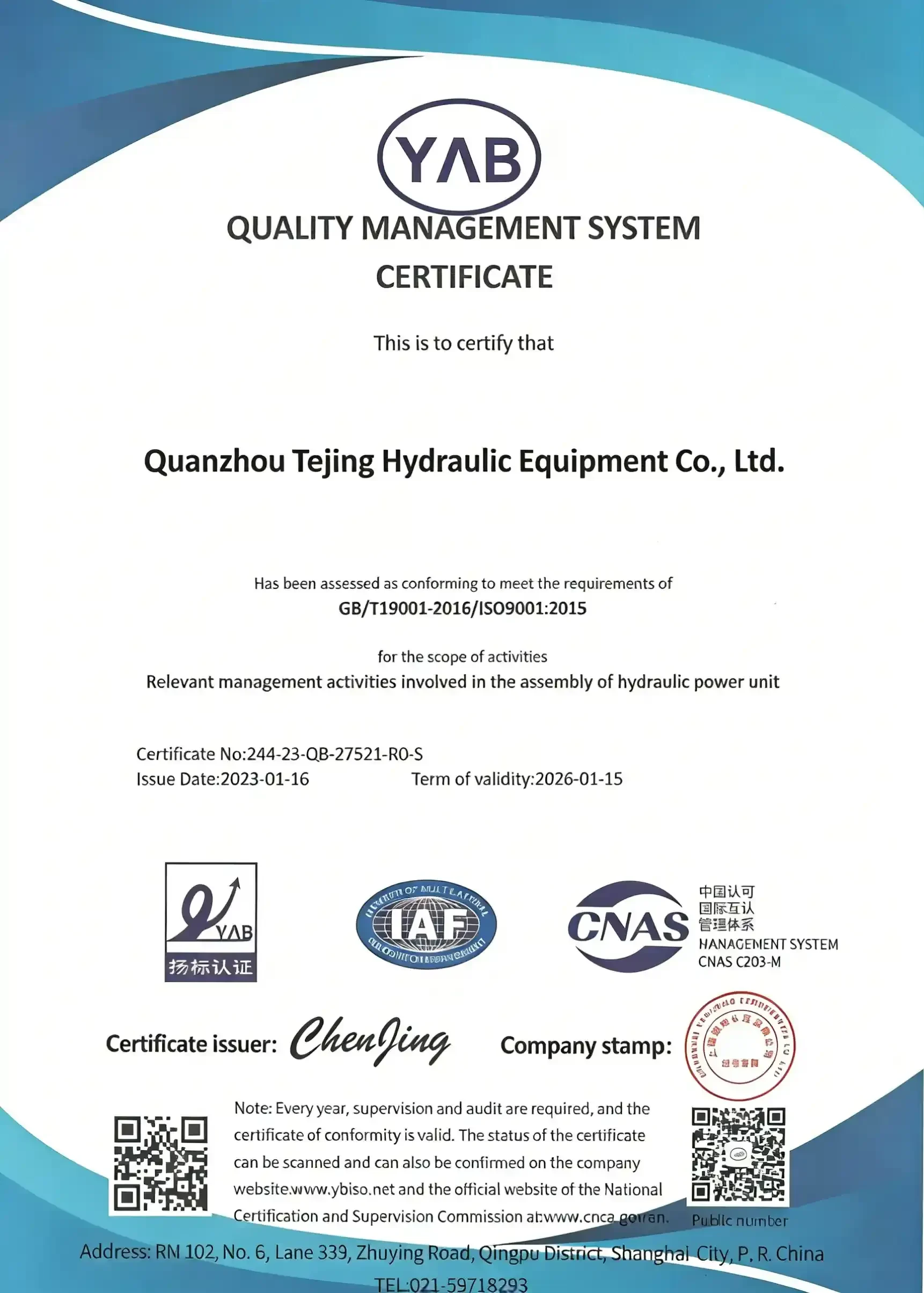
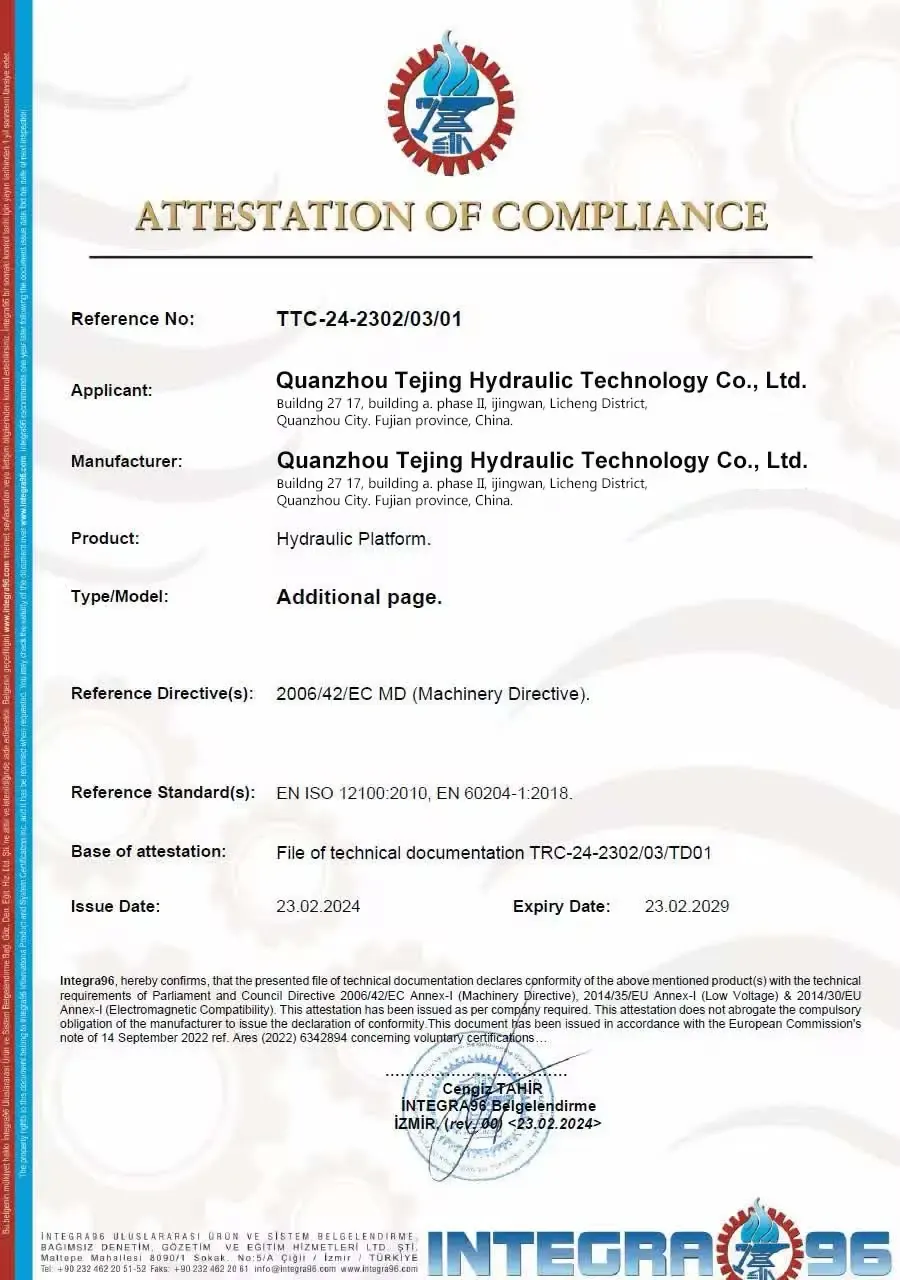
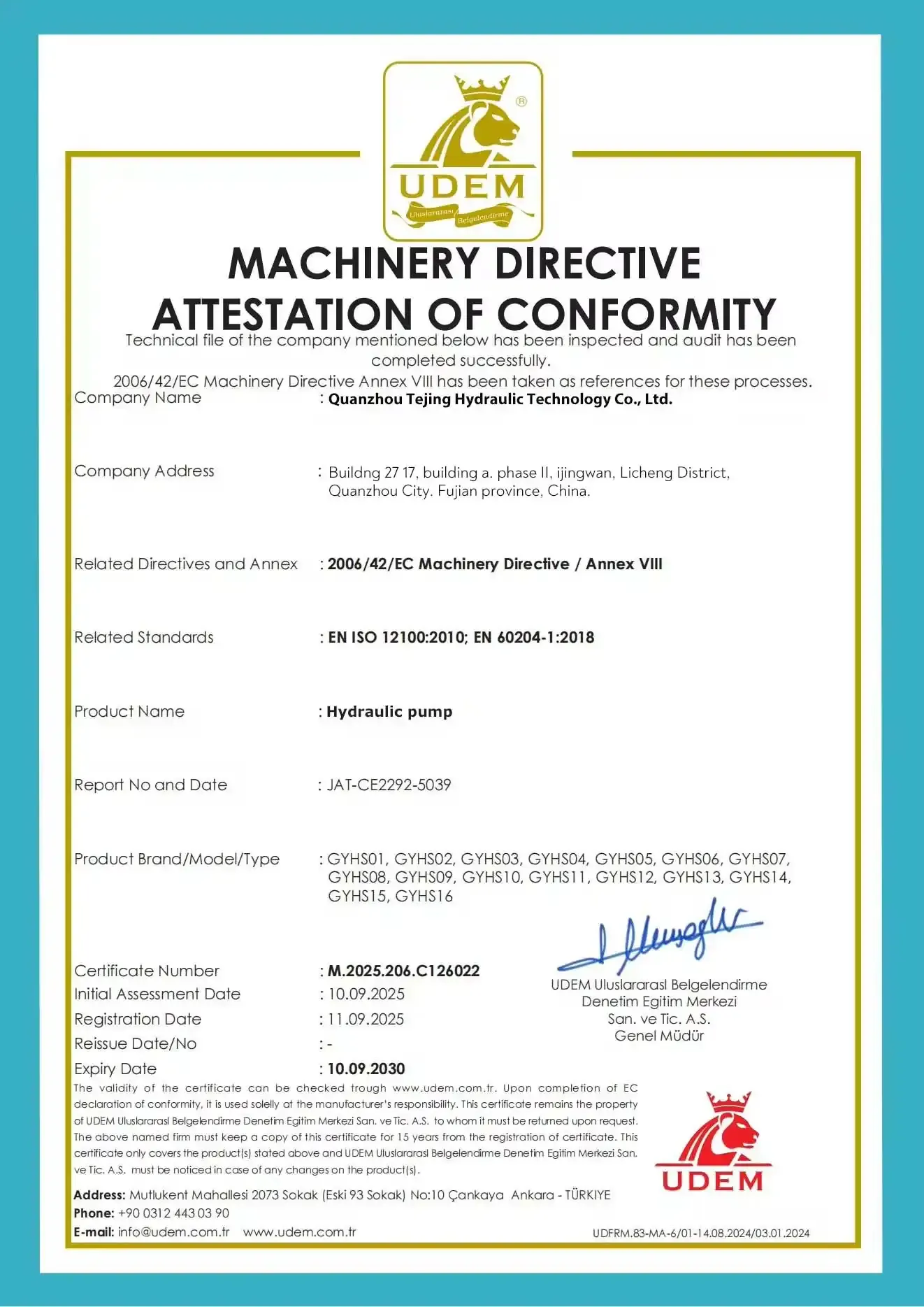
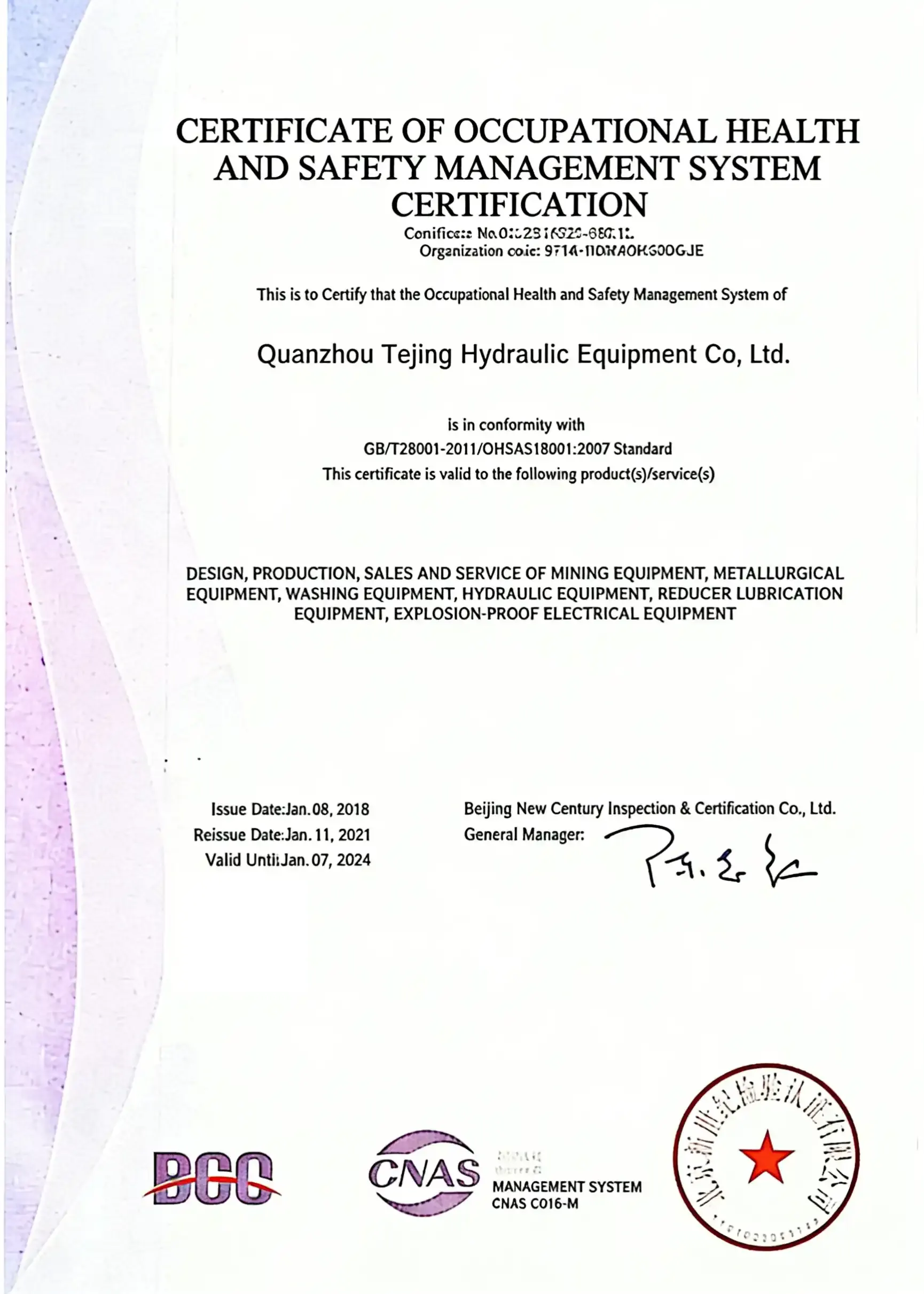
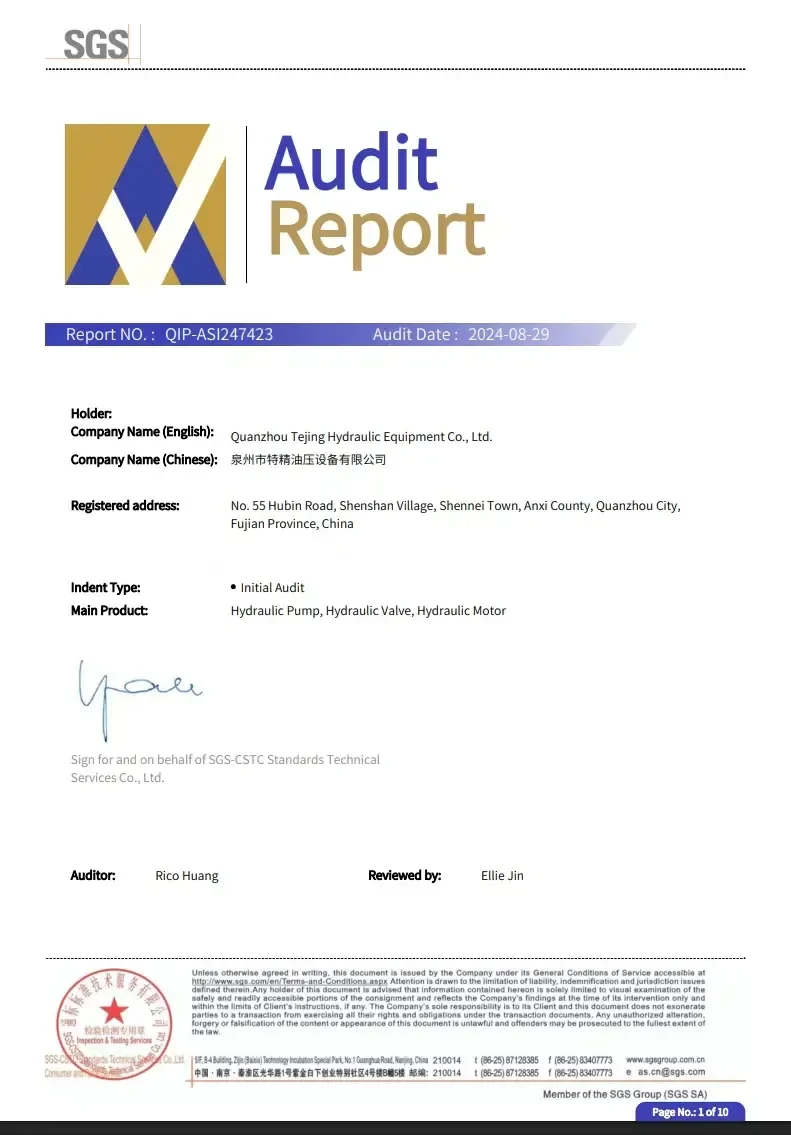
Certifications & Compliance

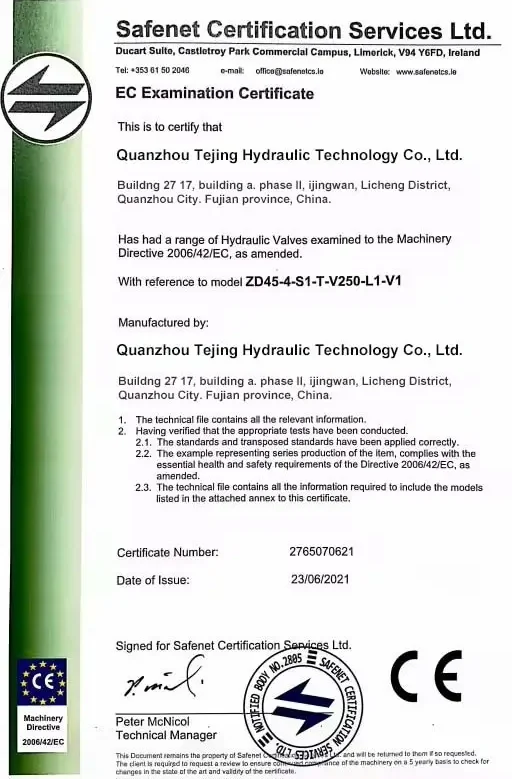
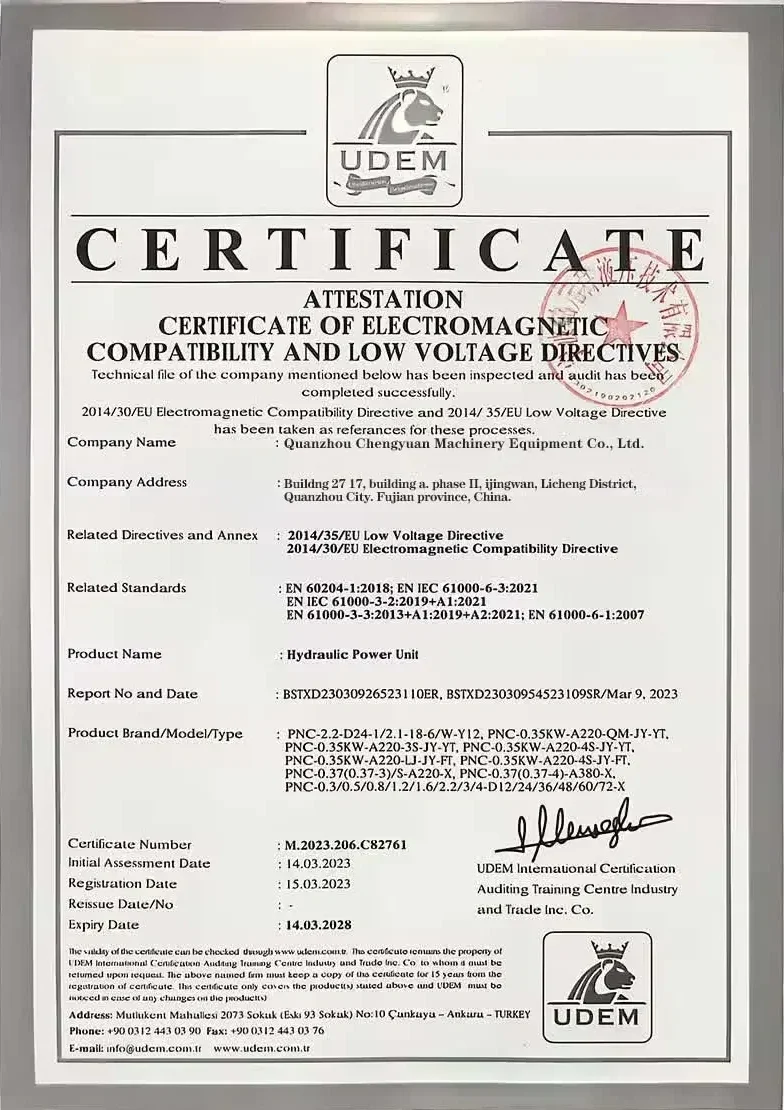
Certificates and qualification materials support buyer confidence during supplier
review and sourcing evaluation.

SUPPORT

Help Center

How does a hydraulic check valve work?

A hydraulic check valve opens when inlet pressure produces enough force to overcome the spring and downstream pressure. If the pressure differential falls or reverses, the ball or poppet returns to its seat and prevents reverse flow.

What is cracking pressure in a check valve?

Cracking pressure is the minimum pressure difference required to begin opening the check valve. It must be high enough to ensure reliable closing but low enough to avoid unnecessary pressure loss, heat, or restricted flow in the circuit.

What is the difference between a standard and a pilot-operated check valve?

A standard check valve blocks reverse flow automatically and cannot normally be opened backward. A pilot-operated check valve includes a pilot piston that unseats the poppet, allowing controlled reverse flow so a locked cylinder or actuator can move.

Why might a check valve leak or fail to close?

Common causes include contamination on the seat, damaged sealing surfaces, a broken or incorrect spring, excessive wear, side loading, improper installation, insufficient pressure differential, fluid viscosity problems, or flow and pressure beyond the valve rating.

Can you customize products, and is there a minimum order quantity?

Absolutely. We provide OEM/ODM services and can manufacture according to your samples or technical drawings. Yes, there is a minimum order quantity, but it is flexible. Spare parts often have an MOQ of 1 piece, while complete pumps or motors vary by model—please inquire for details.

How quickly can you deliver products, and what shipping methods are available?

For in-stock items, we can ship within 3 days. For custom or non-stock items, delivery usually takes 7–15 days. We’ll confirm exact timing based on current inventory. We offer flexible shipping via express carriers (DHL, FedEx, UPS) and sea freight (CIF/FOB). We can also deliver to your designated freight forwarder in China.

Are you a factory or a trading company, and how do you ensure product quality?

We are a hybrid—both a manufacturer and a trading company. We produce our own products and also source specific components to offer complete solutions. We follow strict quality control protocols. All parts undergo CNC machining and heat treatment, and each is 100% tested before delivery to guarantee precision and reliability.

What payment methods do you accept, and what is the warranty period?

We accept T/T, L/C, Western Union, Alibaba Trade Assurance, and VISA. For new customers, we usually require full prepayment or a 30% deposit with the balance due before shipment. All products come with a 1-year warranty, provided they are installed and operated under normal conditions.

agriculture
What Are Hydraulic Components and How Do They Work?
Hydraulic components are essential parts of hydraulic systems that use pressurized fluid to transmit...
行业应用-港口船舶液压系统
How to Choose the Right Hydraulic Components for Your Equipment
Hydraulic components are essential parts of hydraulic systems that use pressurized fluid to transmit...
行业应用-冶金自动化液压系统
Common Types of Hydraulic Components and Their Applications
Hydraulic components are essential parts of hydraulic systems that use pressurized fluid to transmit...
CONTACT US

Send Your Hydraulic
Inquiry

Tell us the model, application or target part number. Our sales team will help confirm specifications and quotation details.

Anya Zhang

anyazhang@tejingyy.com | +8618159153182

Taylor Shen 

taylorshen@tejingyy.com | +861815059722
Bill Yang 

billyang@tejingyy.com | +8618160919625

Mon-Fri/Sat 9:00-18:00 UTC+8

Get Inquiry