
Vane Pump Manufacturer

Hydraulic Products for Sale

Product Category

Contact Us

Can't Find the Right Hydraulic Product?

OVERVIEW

Introduction to the Vane Pump

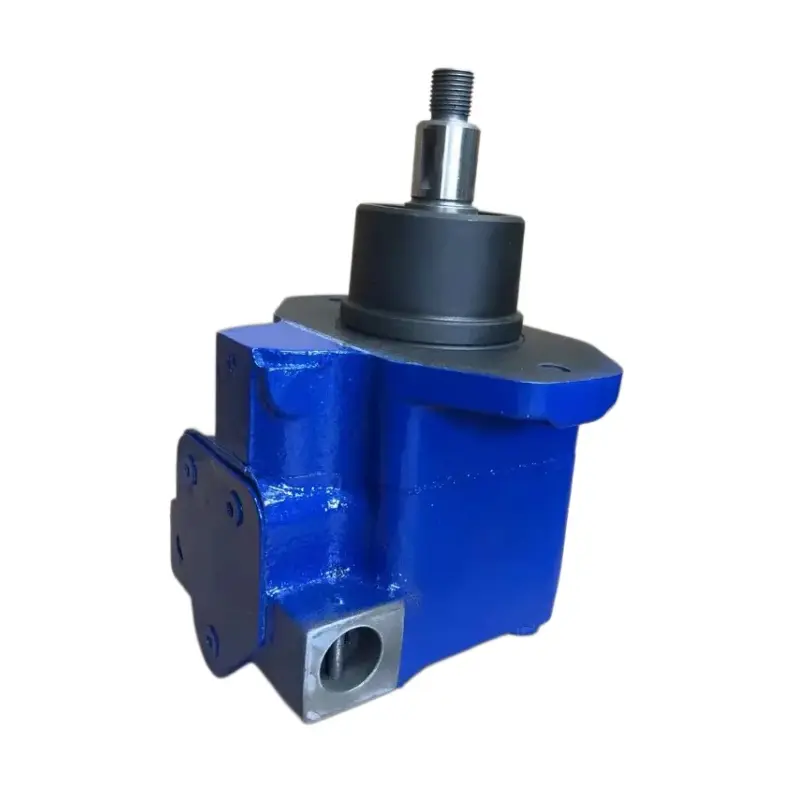
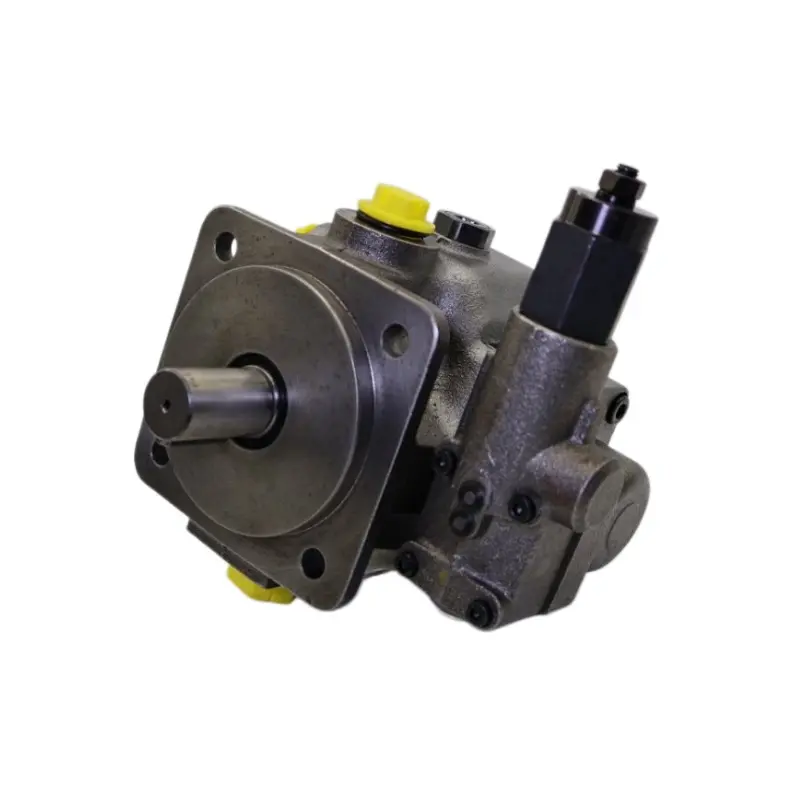
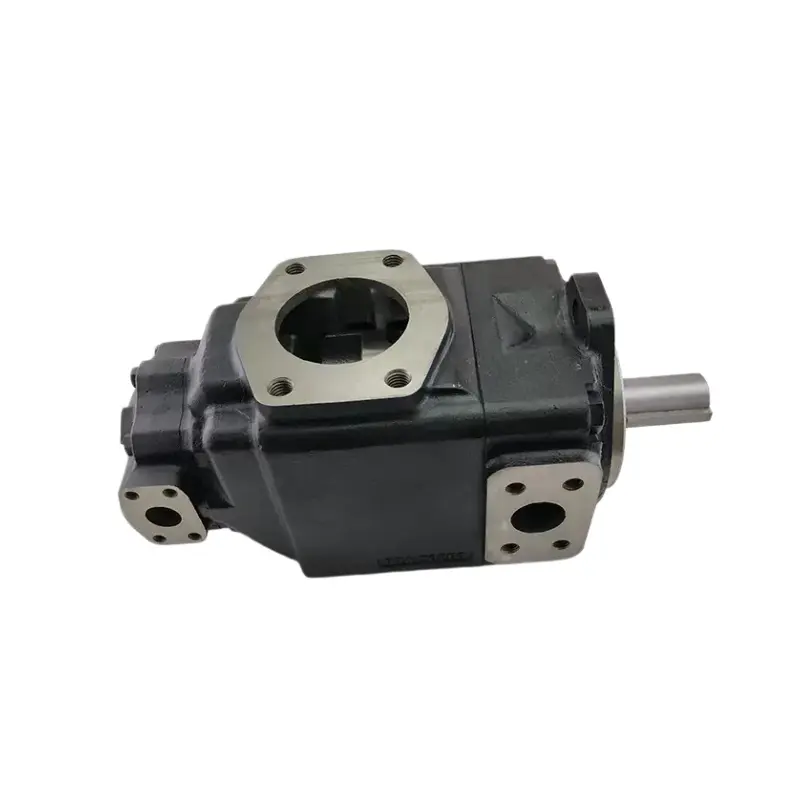
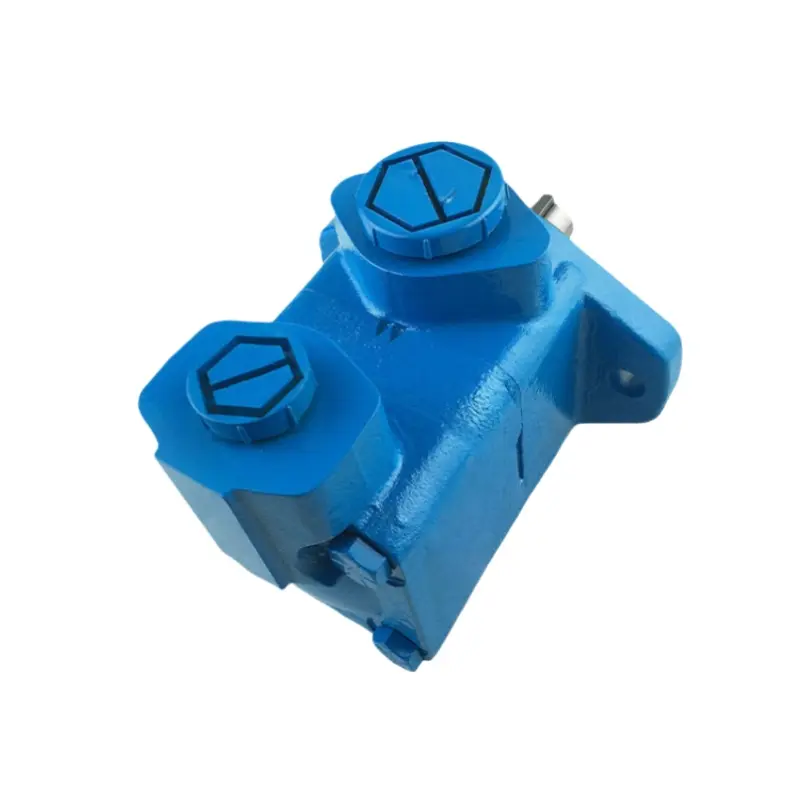
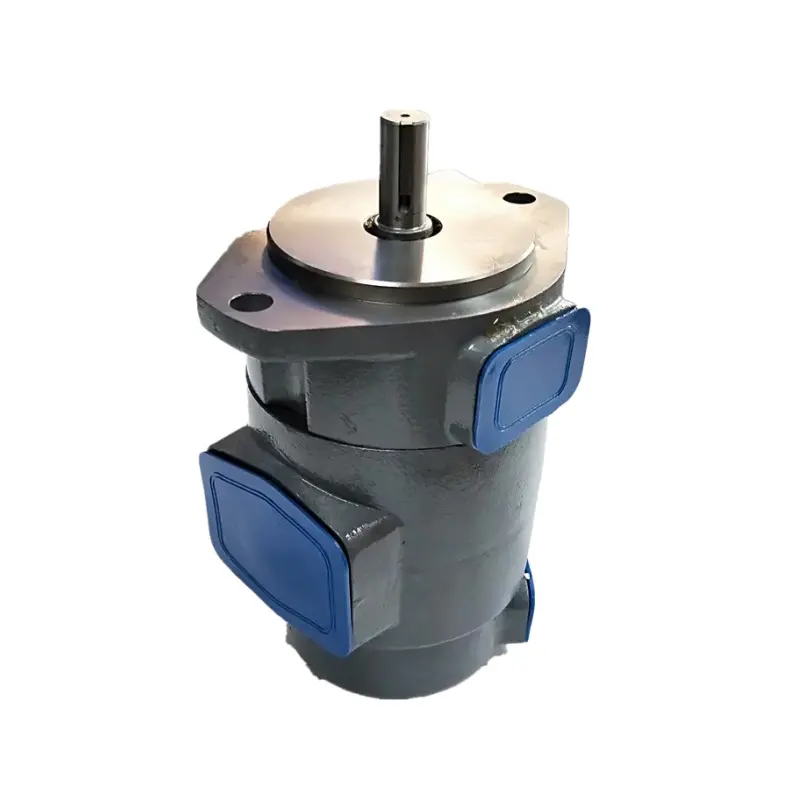
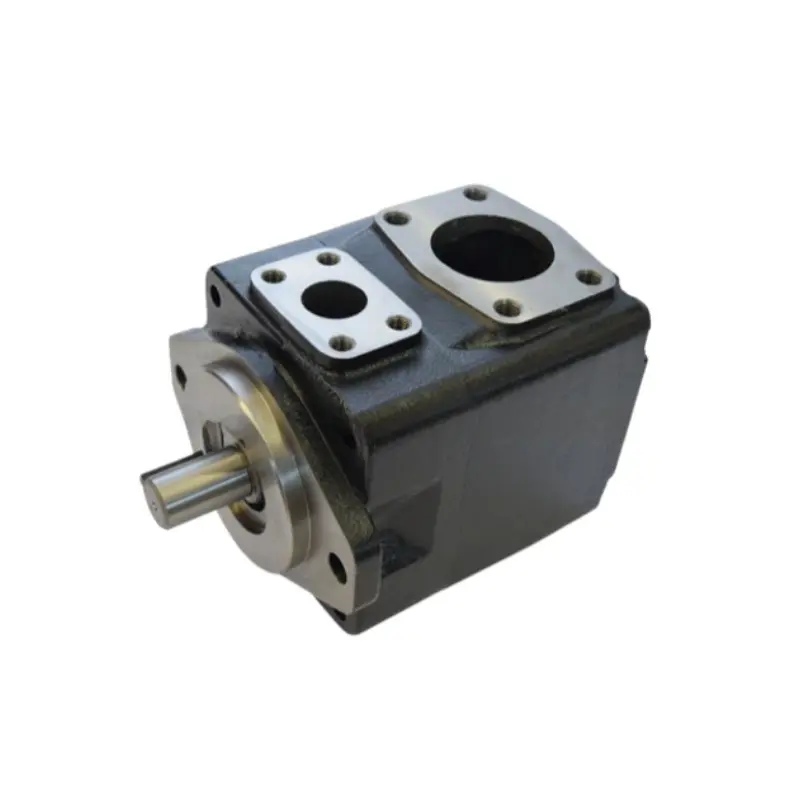
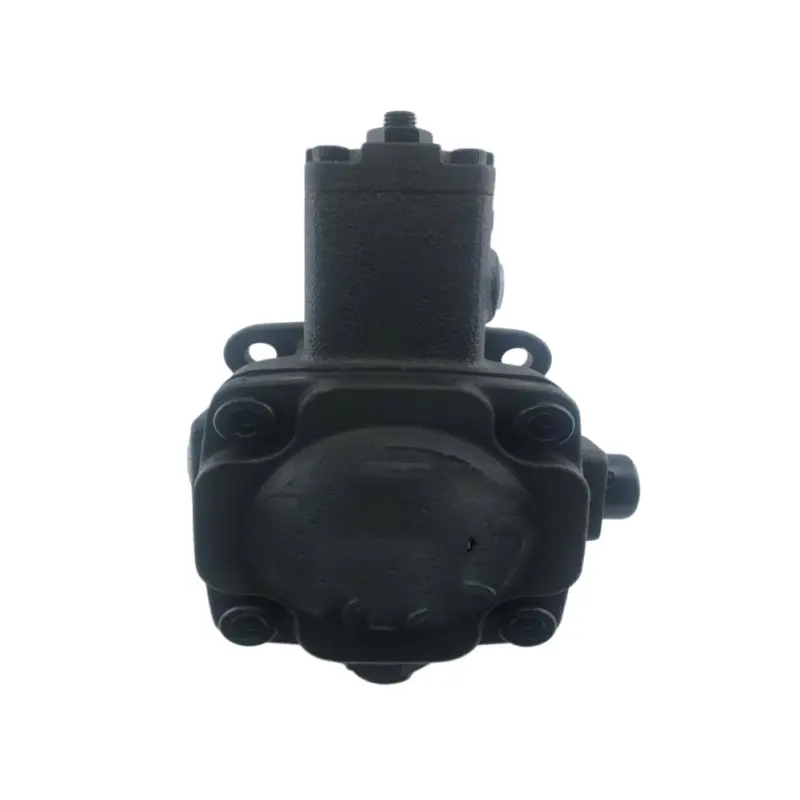
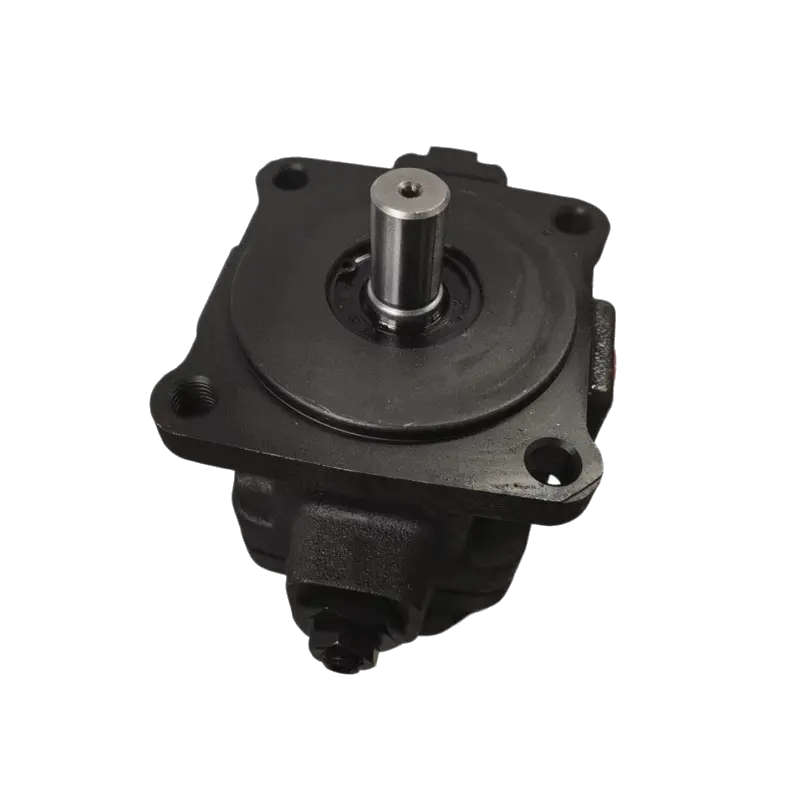
A vane pump is a positive-displacement hydraulic pump that uses sliding vanes mounted in a rotating rotor. As the rotor turns inside an eccentric cam ring, the spaces between the vanes expand to draw in hydraulic fluid and contract to discharge it at pressure.

Vane pumps are valued for smooth flow, relatively low pressure pulsation, compact construction, and quiet operation. Fixed- and variable-displacement designs are available for machine tools, industrial power units, mobile equipment, and other systems that require consistent medium-pressure hydraulic performance.

Products Functions

Functions of the Vane Pump

Hydraulic Parts for All Construction Machinery

Create Hydraulic Flow Through Changing Chamber Volume

Create Hydraulic Flow Through Changing Chamber Volume

The rotor, vanes, and cam ring form sealed pumping chambers whose volume changes continuously during rotation. This action draws oil from the reservoir and delivers a steady flow into the pressure line, providing the basic fluid supply needed by the hydraulic circuit.

Convert Mechanical Input into Hydraulic Power

Convert Mechanical Input into Hydraulic Power

A prime mover turns the vane pump shaft, and the rotating cartridge converts that mechanical input into hydraulic pressure and flow. The generated hydraulic power can then operate cylinders, motors, clamping devices, and other actuators throughout the machine.

Deliver Smooth, Low-Pulsation Flow

Deliver Smooth, Low-Pulsation Flow

Because several vane chambers discharge fluid in sequence, a vane pump produces more uniform flow than many simple positive-displacement designs. Reduced pulsation helps lower vibration and noise while supporting stable movement, consistent finishing quality, and precise machine control.

Adjust Output to Match System Demand

Adjust Output to Match System Demand

Variable-displacement vane pumps change rotor eccentricity or cam-ring position to regulate displacement. By reducing output when demand falls, the pump can limit unnecessary heat generation, lower energy consumption, and maintain the required pressure more efficiently.

Support Quiet and Efficient Medium-Pressure Operation

Support Quiet and Efficient Medium-Pressure Operation

Balanced vane pump designs reduce internal radial loads and help maintain reliable operation across long duty cycles. Their combination of good volumetric efficiency, moderate pressure capability, and low acoustic output makes them suitable for factories and enclosed work areas.
Uses

Vane Pump Uses

Construction Machinery

Vane pumps can supply smooth hydraulic flow for steering, lifting, fan-drive, and auxiliary circuits in selected construction machinery.

Agricultural Machinery

A vane pump can operate steering, implement-control, and auxiliary hydraulic functions in tractors and other agricultural machinery where quiet, stable flow is beneficial.

Marine & Ship Equipment

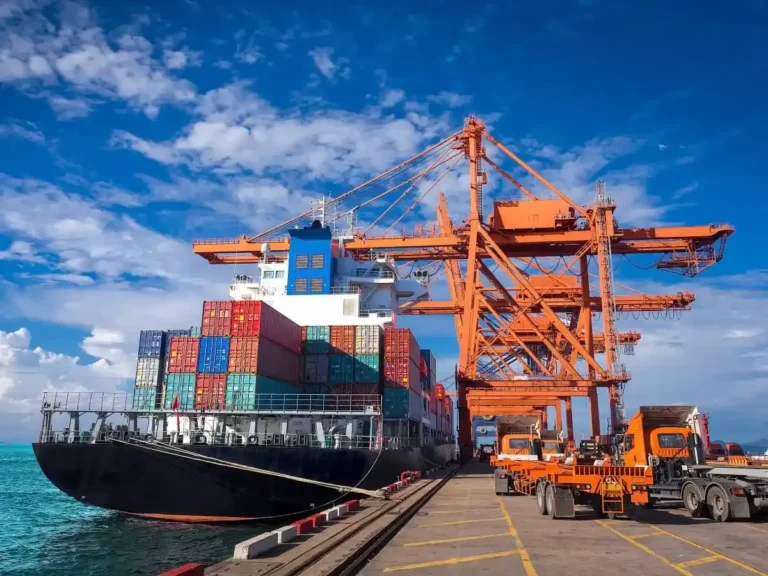
Vane pumps support marine steering, deck machinery, lubrication, and auxiliary hydraulic systems that require compact and relatively quiet operation.

Mining Machinery

Vane pumps support mining drilling equipment, lubrication, material handling, and auxiliary hydraulic systems that require compact, reliable, and relatively quiet operation.

Plastic & Metallurgy Industrial Machine

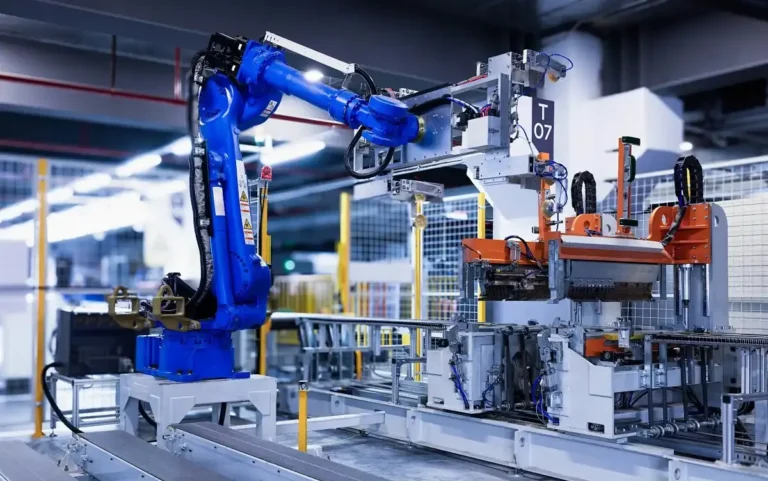
Vane pumps provide controlled hydraulic flow for injection molding machines, machine tools, presses, and metallurgy equipment operating at medium pressure.
QUALITY

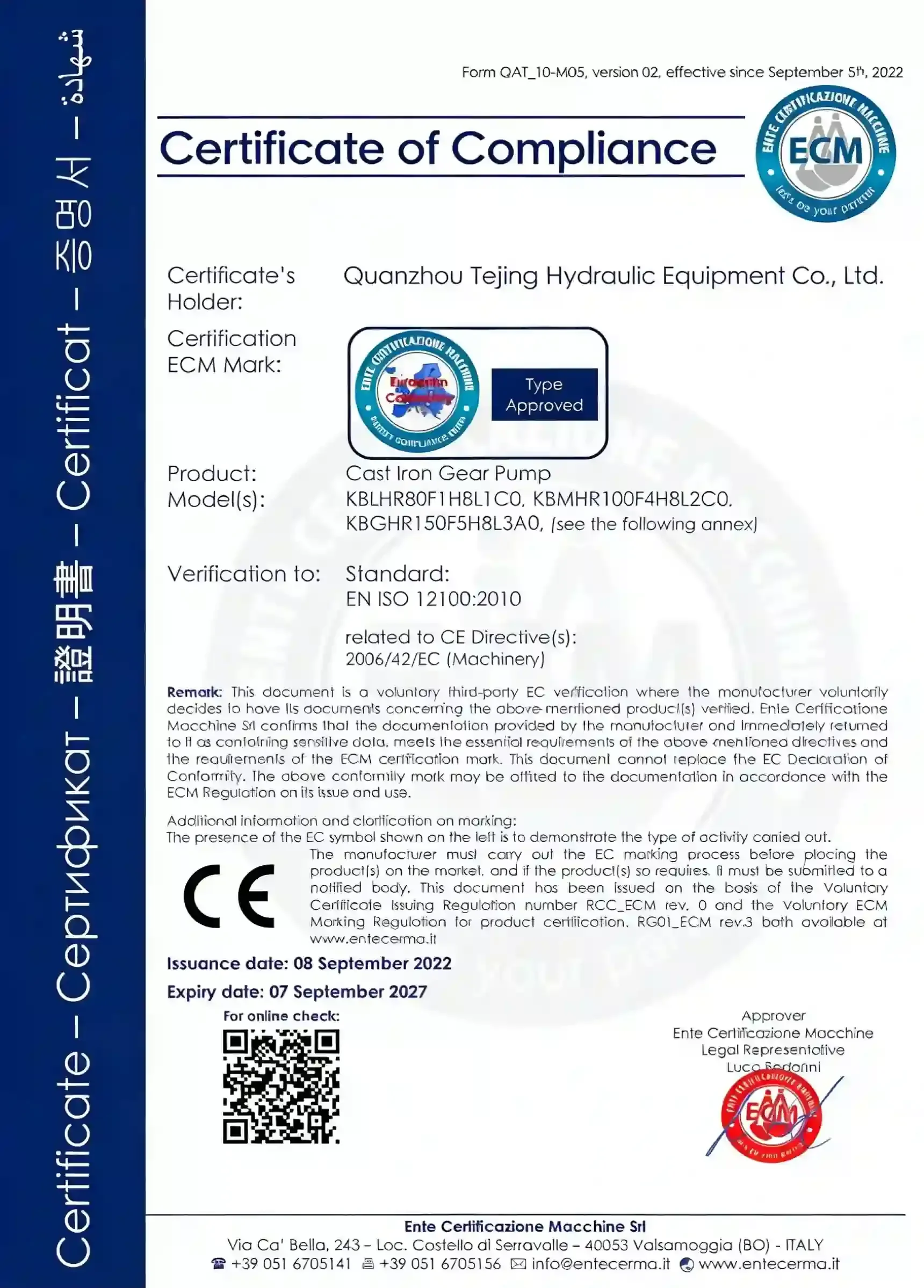
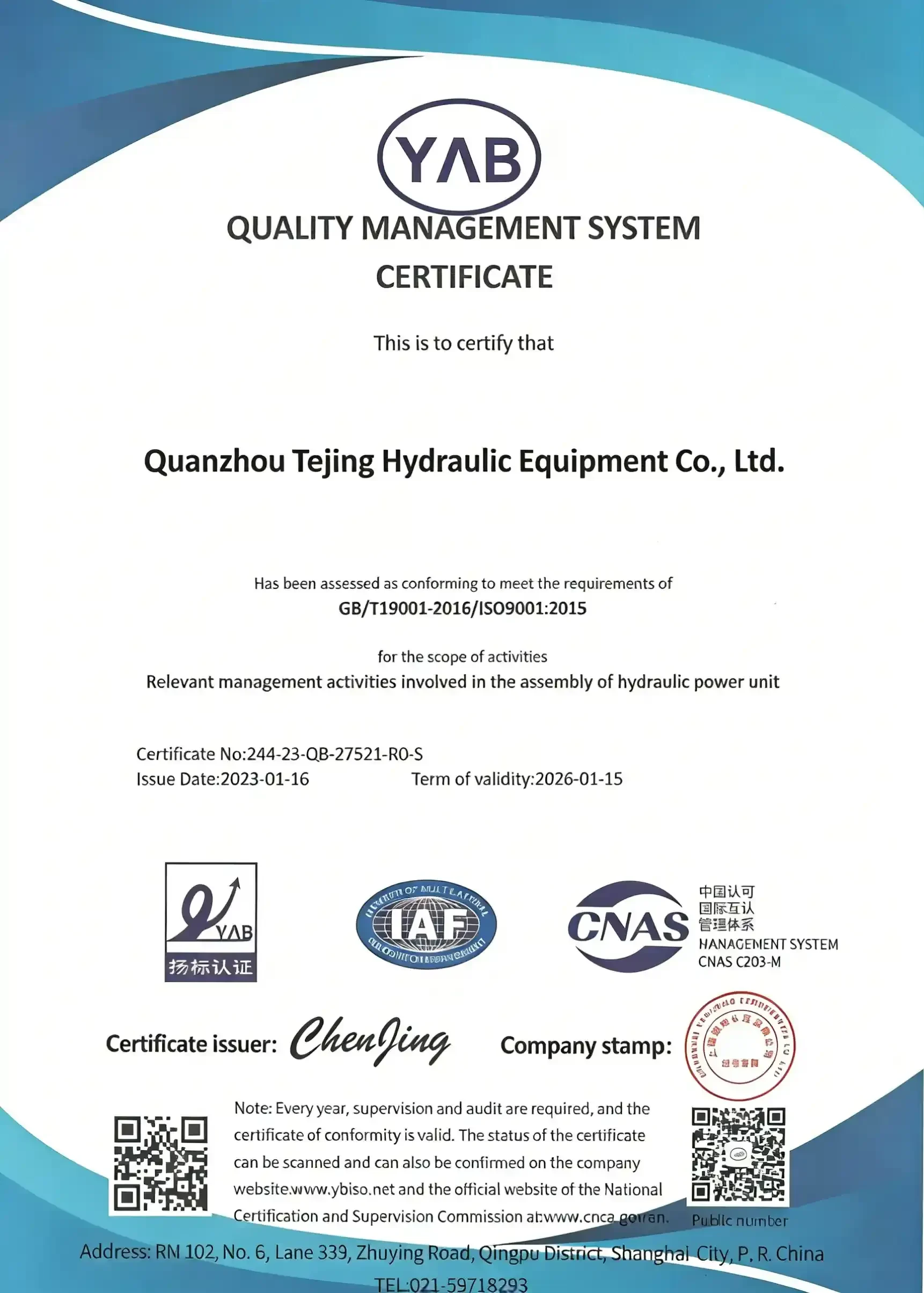
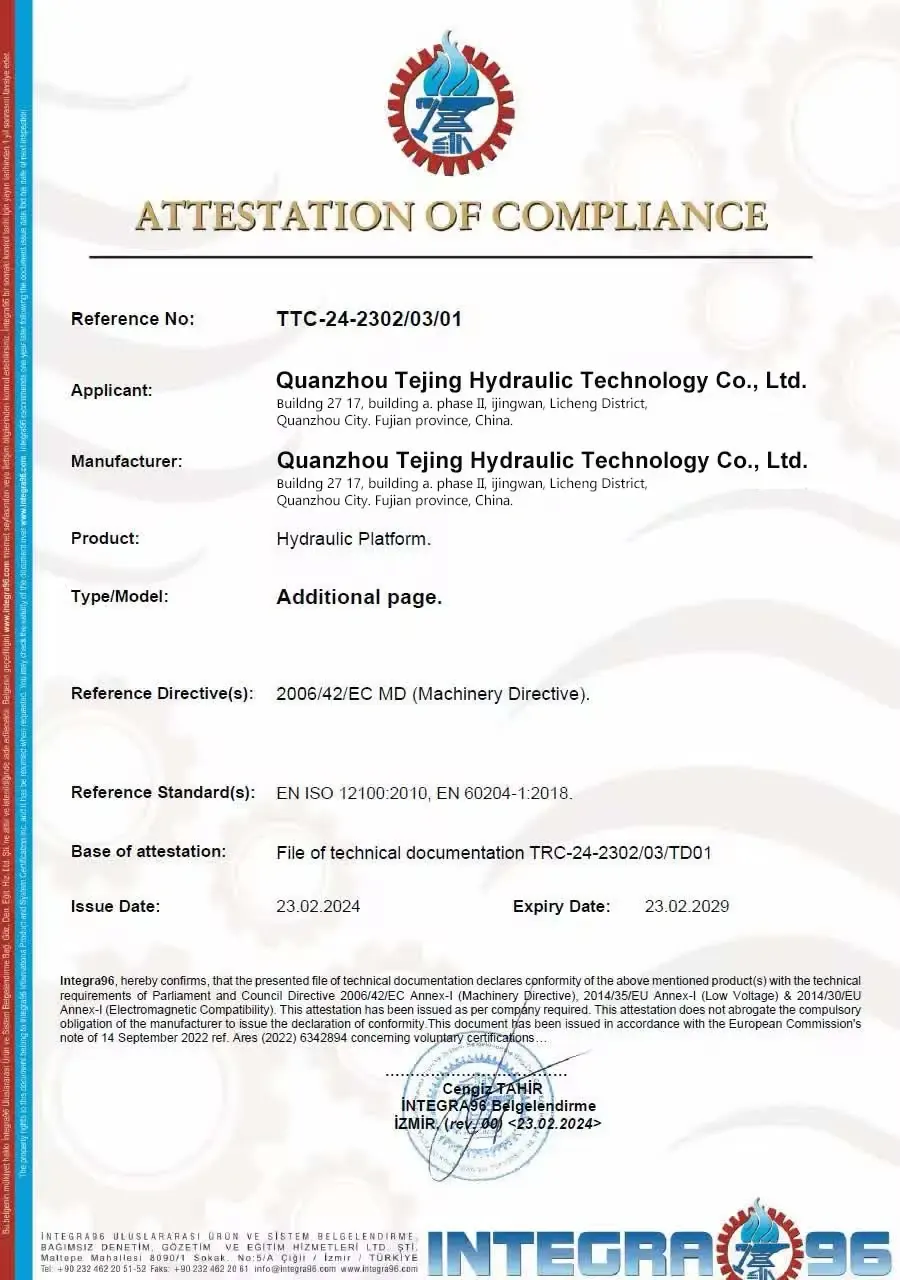
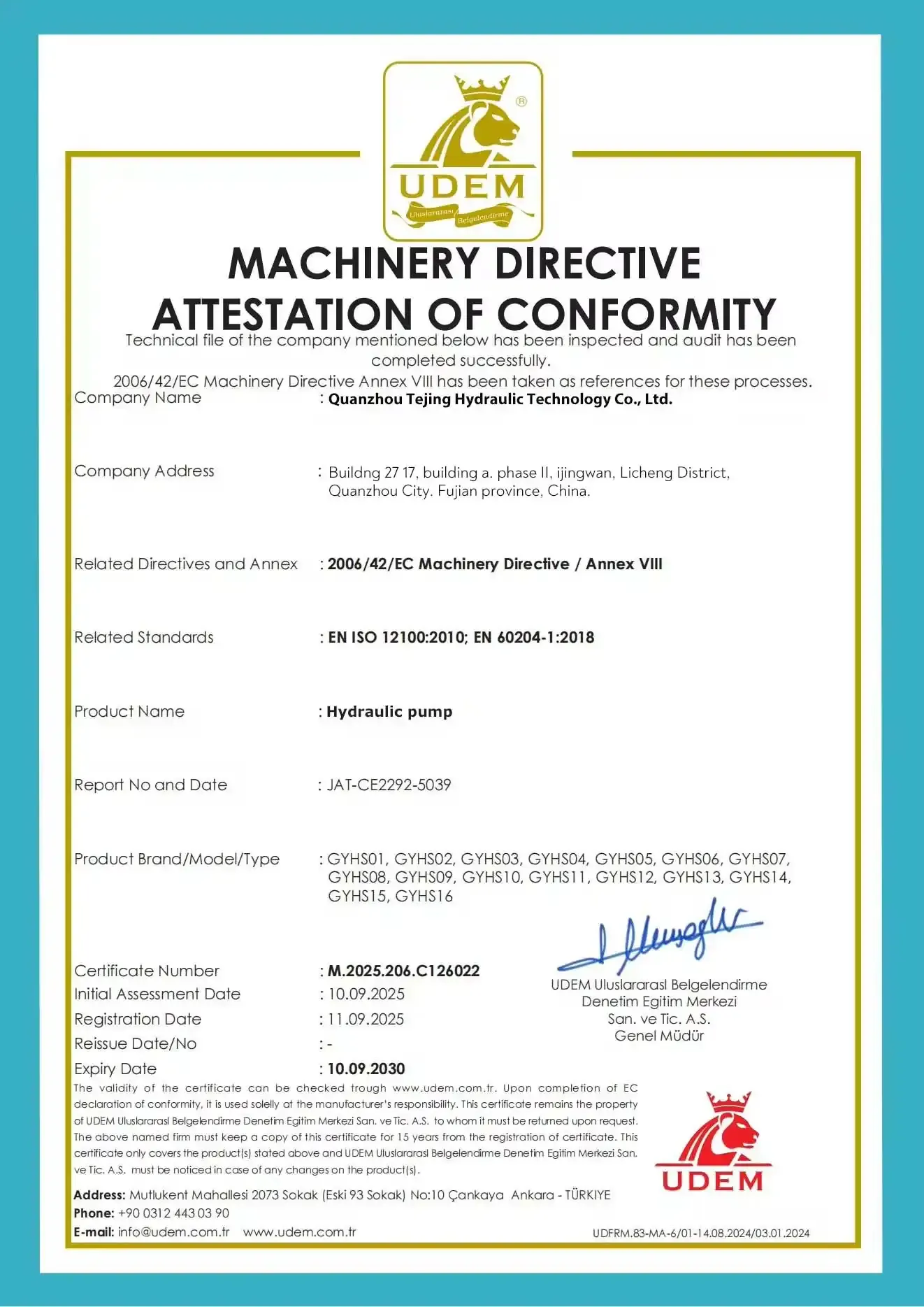
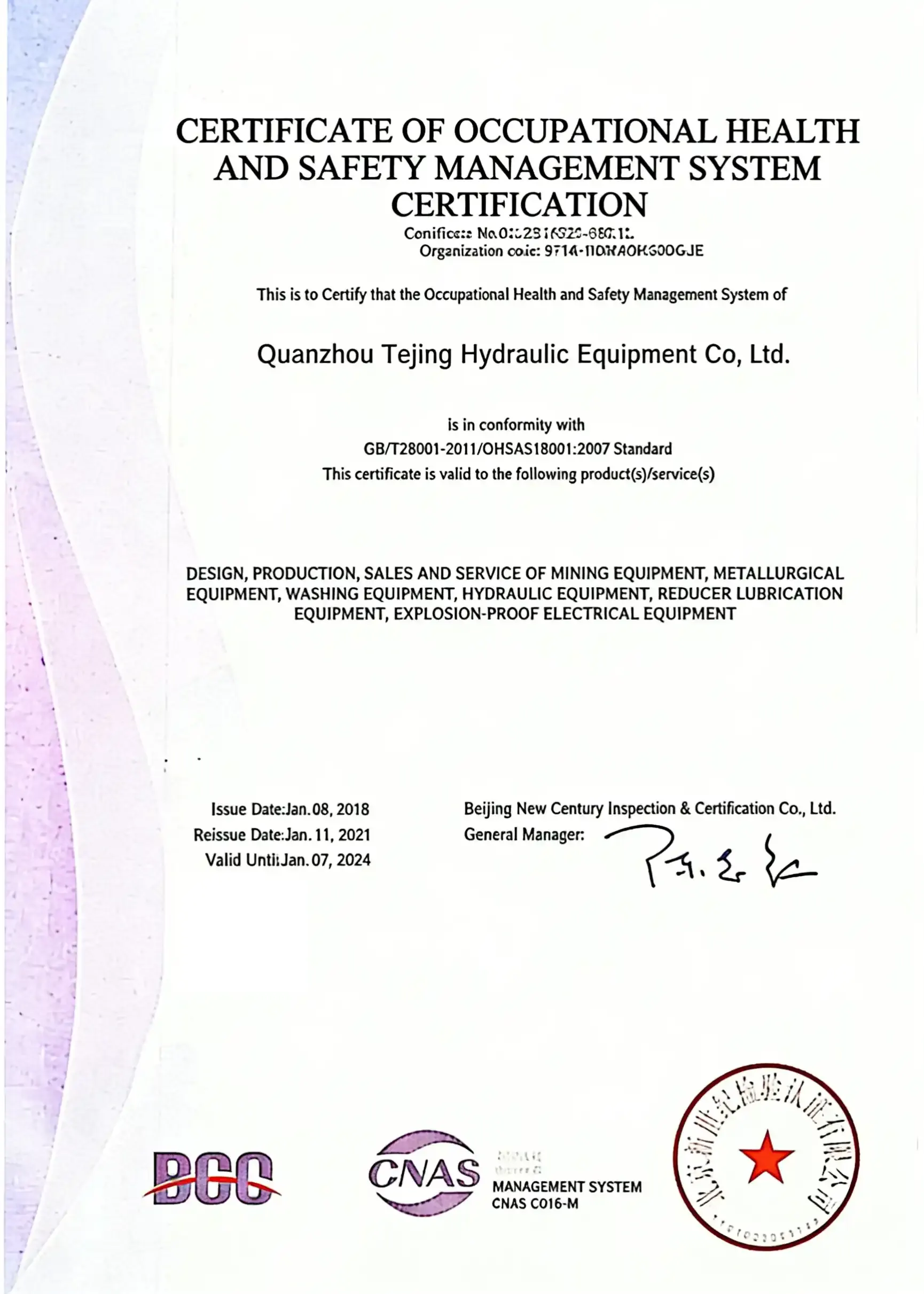
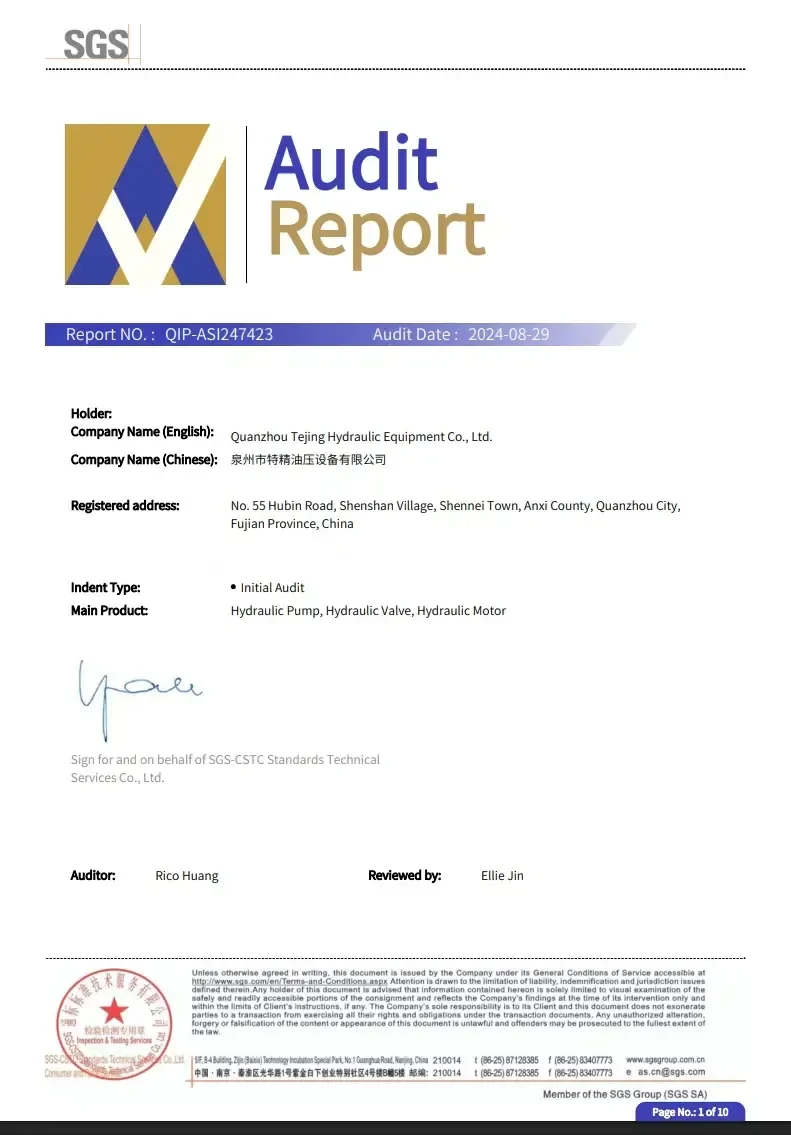
Certifications & Compliance

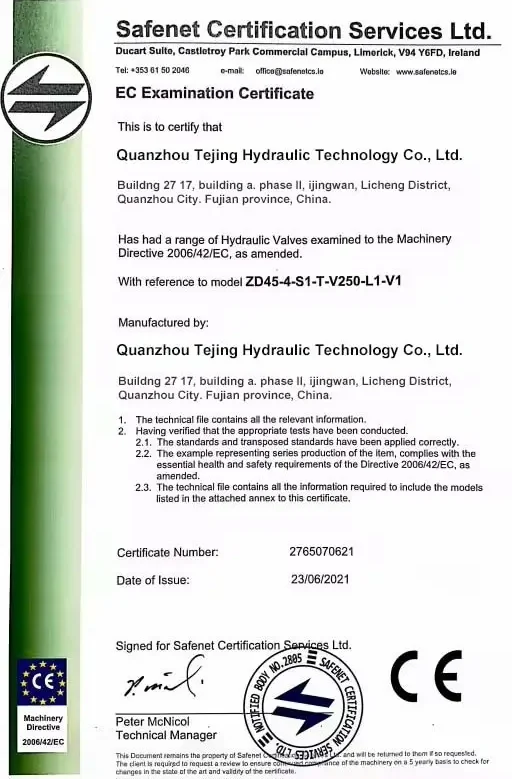
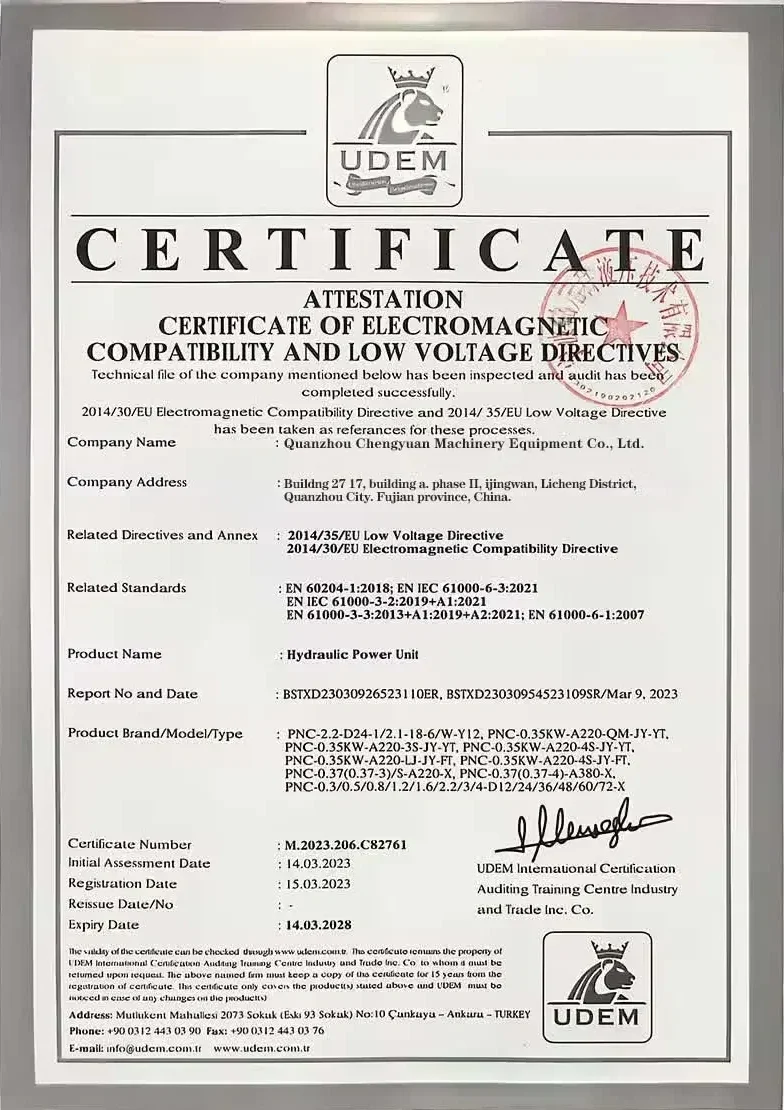
Certificates and qualification materials support buyer confidence during supplier
review and sourcing evaluation.

SUPPORT

Help Center

How does a vane pump work?

A vane pump rotates a slotted rotor inside an eccentric cam ring. Vanes slide outward to maintain contact with the ring, creating expanding chambers at the inlet and contracting chambers at the outlet so hydraulic fluid is drawn in and discharged under pressure.

What are the main types of vane pumps?

Common types include unbalanced and balanced vane pumps, as well as fixed- and variable-displacement designs. Balanced construction reduces radial shaft loading, while variable-displacement vane pumps can adjust output to suit changing system demand.

What is the difference between a vane pump and a piston pump?

A vane pump generally offers quieter operation and smooth medium-pressure flow, while a piston pump is usually selected for higher pressure, greater control flexibility, and demanding heavy-duty service. The best choice depends on pressure, flow, noise, efficiency, and duty-cycle requirements.

What maintenance does a vane pump require?

Keep the hydraulic fluid clean and within the specified viscosity range, maintain effective filtration, prevent inlet restriction and cavitation, and inspect the vanes, cam ring, bearings, seals, pressure, noise, and leakage at recommended intervals.

Can you customize products, and is there a minimum order quantity?

Absolutely. We provide OEM/ODM services and can manufacture according to your samples or technical drawings. Yes, there is a minimum order quantity, but it is flexible. Spare parts often have an MOQ of 1 piece, while complete pumps or motors vary by model—please inquire for details.

How quickly can you deliver products, and what shipping methods are available?

For in-stock items, we can ship within 3 days. For custom or non-stock items, delivery usually takes 7–15 days. We’ll confirm exact timing based on current inventory. We offer flexible shipping via express carriers (DHL, FedEx, UPS) and sea freight (CIF/FOB). We can also deliver to your designated freight forwarder in China.

Are you a factory or a trading company, and how do you ensure product quality?

We are a hybrid—both a manufacturer and a trading company. We produce our own products and also source specific components to offer complete solutions. We follow strict quality control protocols. All parts undergo CNC machining and heat treatment, and each is 100% tested before delivery to guarantee precision and reliability.

What payment methods do you accept, and what is the warranty period?

We accept T/T, L/C, Western Union, Alibaba Trade Assurance, and VISA. For new customers, we usually require full prepayment or a 30% deposit with the balance due before shipment. All products come with a 1-year warranty, provided they are installed and operated under normal conditions.

agriculture
What Are Hydraulic Components and How Do They Work?
Hydraulic components are essential parts of hydraulic systems that use pressurized fluid to transmit...
行业应用-港口船舶液压系统
How to Choose the Right Hydraulic Components for Your Equipment
Hydraulic components are essential parts of hydraulic systems that use pressurized fluid to transmit...
行业应用-冶金自动化液压系统
Common Types of Hydraulic Components and Their Applications
Hydraulic components are essential parts of hydraulic systems that use pressurized fluid to transmit...
CONTACT US

Send Your Hydraulic
Inquiry

Tell us the model, application or target part number. Our sales team will help confirm specifications and quotation details.

Anya Zhang

anyazhang@tejingyy.com | +8618159153182

Taylor Shen 

taylorshen@tejingyy.com | +861815059722
Bill Yang 

billyang@tejingyy.com | +8618160919625

Mon-Fri/Sat 9:00-18:00 UTC+8

Get Inquiry