
Proportional Valve Manufacturer

Hydraulic Products for Sale

Product Category

Contact Us

Can't Find the Right Hydraulic Product?

OVERVIEW

Introduction to the Proportional Valve

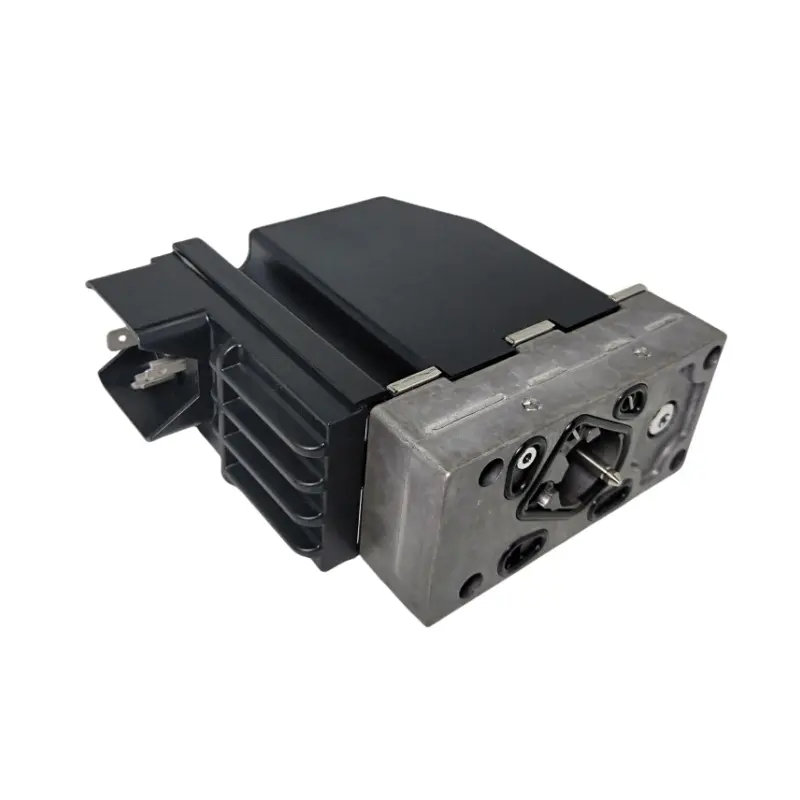
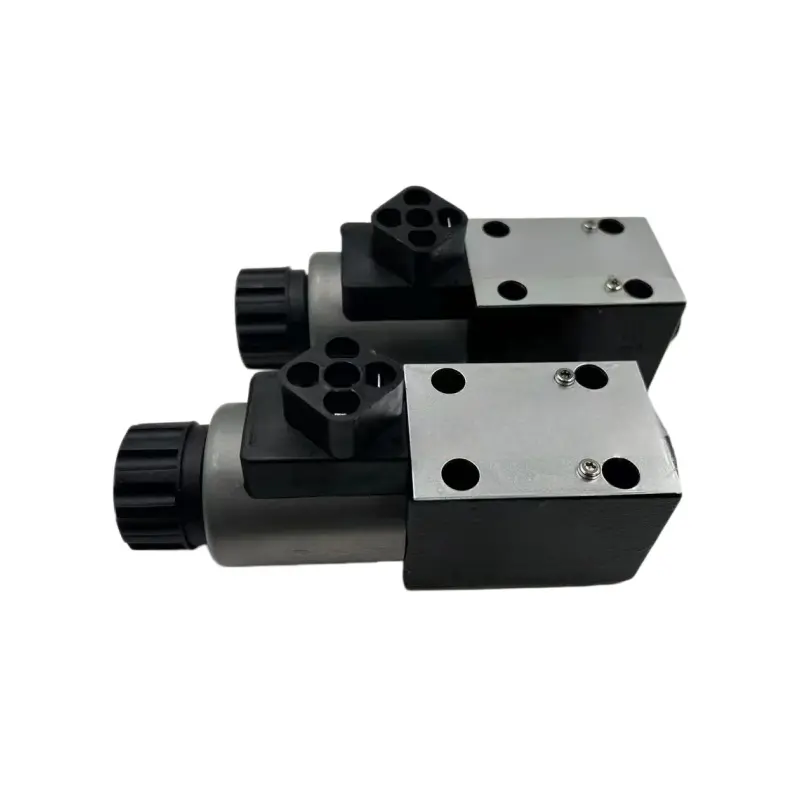
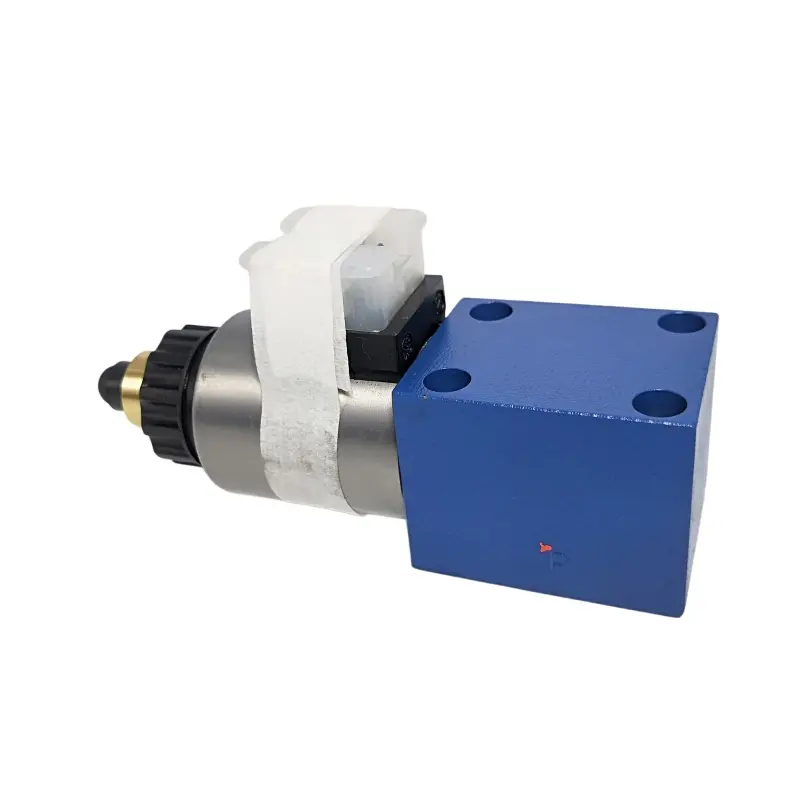
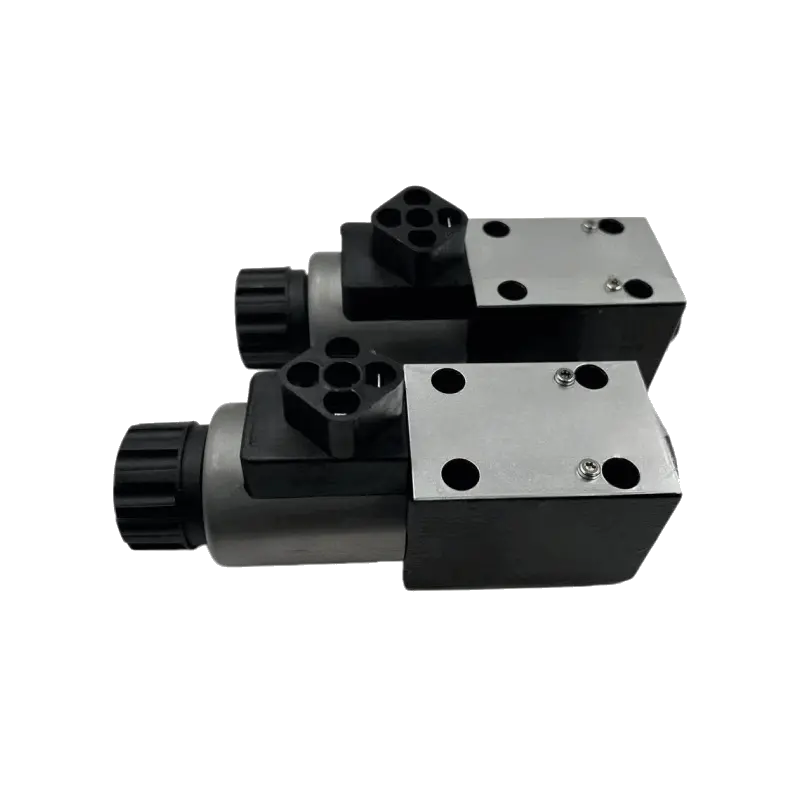
A proportional valve is an electrohydraulic valve whose output changes in proportion to an electrical command signal. Instead of switching only between fully open and fully closed states, it continuously adjusts spool or poppet position to regulate hydraulic flow, pressure, or direction.

Proportional valves provide smoother and more flexible control than conventional on-off valves while remaining more robust and economical than many servo valves. They are widely used for variable speed, force, pressure, acceleration, and positioning functions in automated mobile and industrial machinery.

Products Functions

Functions of the Proportional Valve

Hydraulic Parts for All Construction Machinery

Convert Variable Electrical Input into Hydraulic Output

Convert Variable Electrical Input into Hydraulic Output

The proportional solenoid produces force according to the applied current and positions the valve element accordingly. This creates a continuously adjustable hydraulic response, allowing a controller or operator command to regulate machine output instead of selecting only fixed switching states.

Regulate Flow and Actuator Speed

Regulate Flow and Actuator Speed

A proportional flow or directional valve changes its metering opening to control the amount of oil supplied to a cylinder or motor. Smooth flow adjustment provides controlled speed, acceleration, deceleration, and reversal while reducing shock and abrupt mechanical movement.
Control Hydraulic Pressure and Force

Control Hydraulic Pressure and Force

Proportional pressure valves vary relief, reducing, or compensating pressure according to the electrical command. Because cylinder force and motor torque depend on pressure, the valve can adjust clamping, pressing, tensioning, braking, and load-control functions during the machine cycle.

Create Programmable Motion Profiles

Create Programmable Motion Profiles

Electronic control allows proportional valve commands to be ramped, limited, stored, and changed for different products or operating modes. Machines can follow repeatable speed and pressure profiles without manually resetting mechanical valves for every step or production recipe.
Support Open-Loop and Closed-Loop Automation

Support Open-Loop and Closed-Loop Automation

A proportional valve can operate directly from a command or work with position, speed, force, and pressure sensors in a feedback system. Closed-loop correction improves accuracy and consistency when loads, temperatures, or supply conditions change during operation.
Uses

Proportional Valve Uses

Construction Machinery

Proportional valves provide smooth boom, steering, travel, fan, suspension, and attachment control in construction machinery.

Agricultural Machinery

A proportional valve regulates steering, implement position, seeding rate, spraying pressure, and harvesting functions in agricultural machinery.

Marine & Ship Equipment

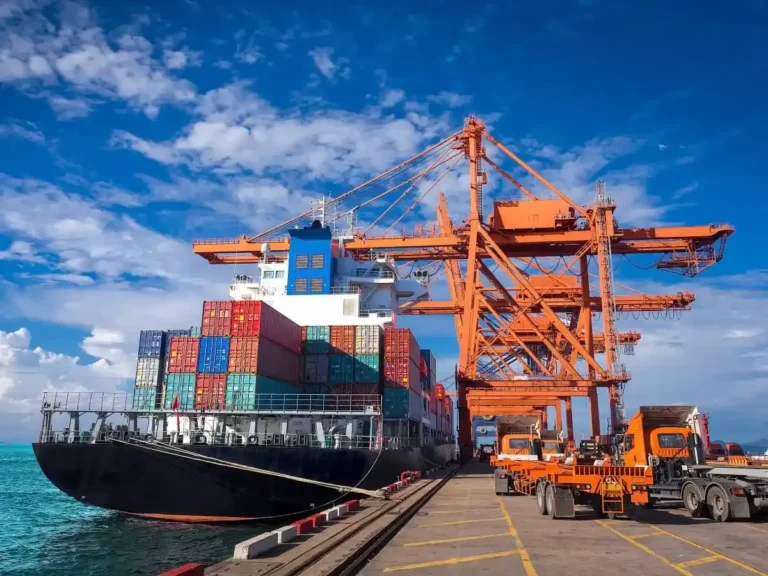
Proportional valves control steering, stabilizers, winches, cranes, thrusters, and deck machinery with adjustable speed and pressure.

Mining Equipment

Rugged proportional valves manage motion, pressure, braking, and load control in drilling, conveying, support, and mining equipment.

Plastic & Metallurgy Industrial Machine

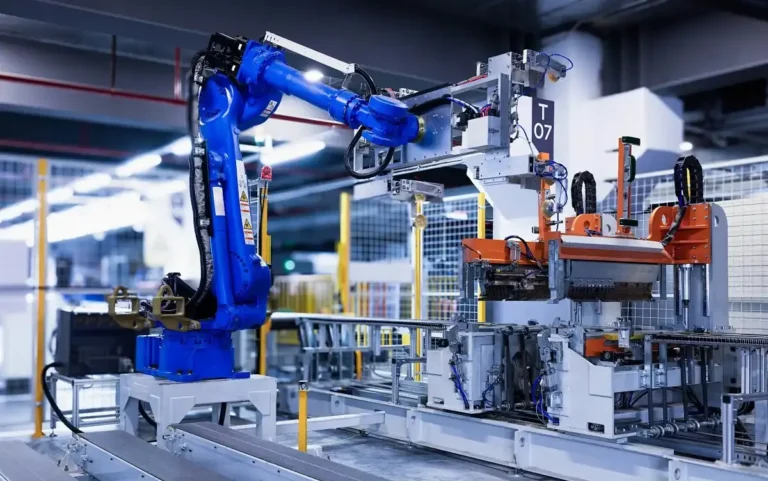
Proportional valves regulate injection, clamping, pressing, rolling, tension, and positioning in plastic or metallurgy industrial machines.
QUALITY

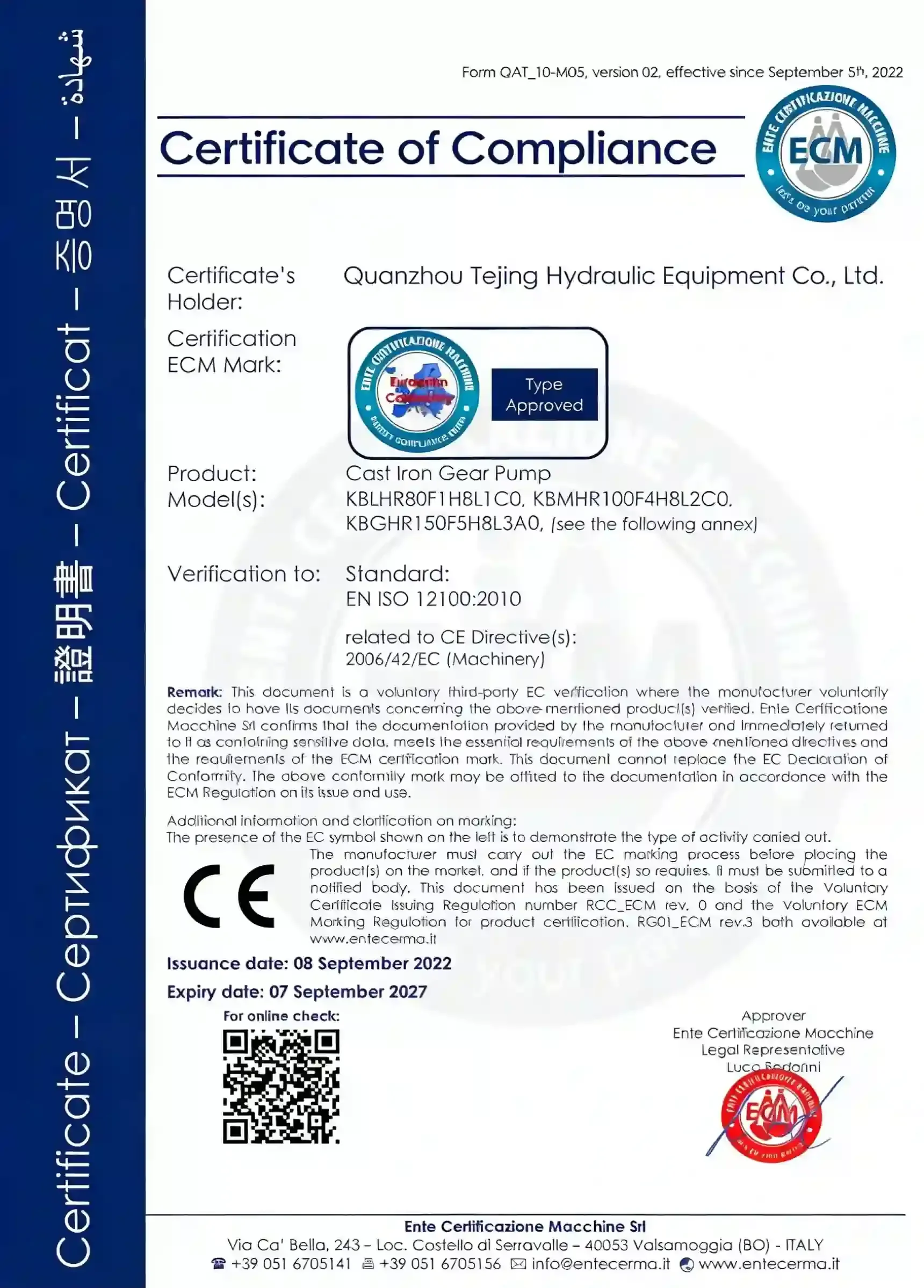
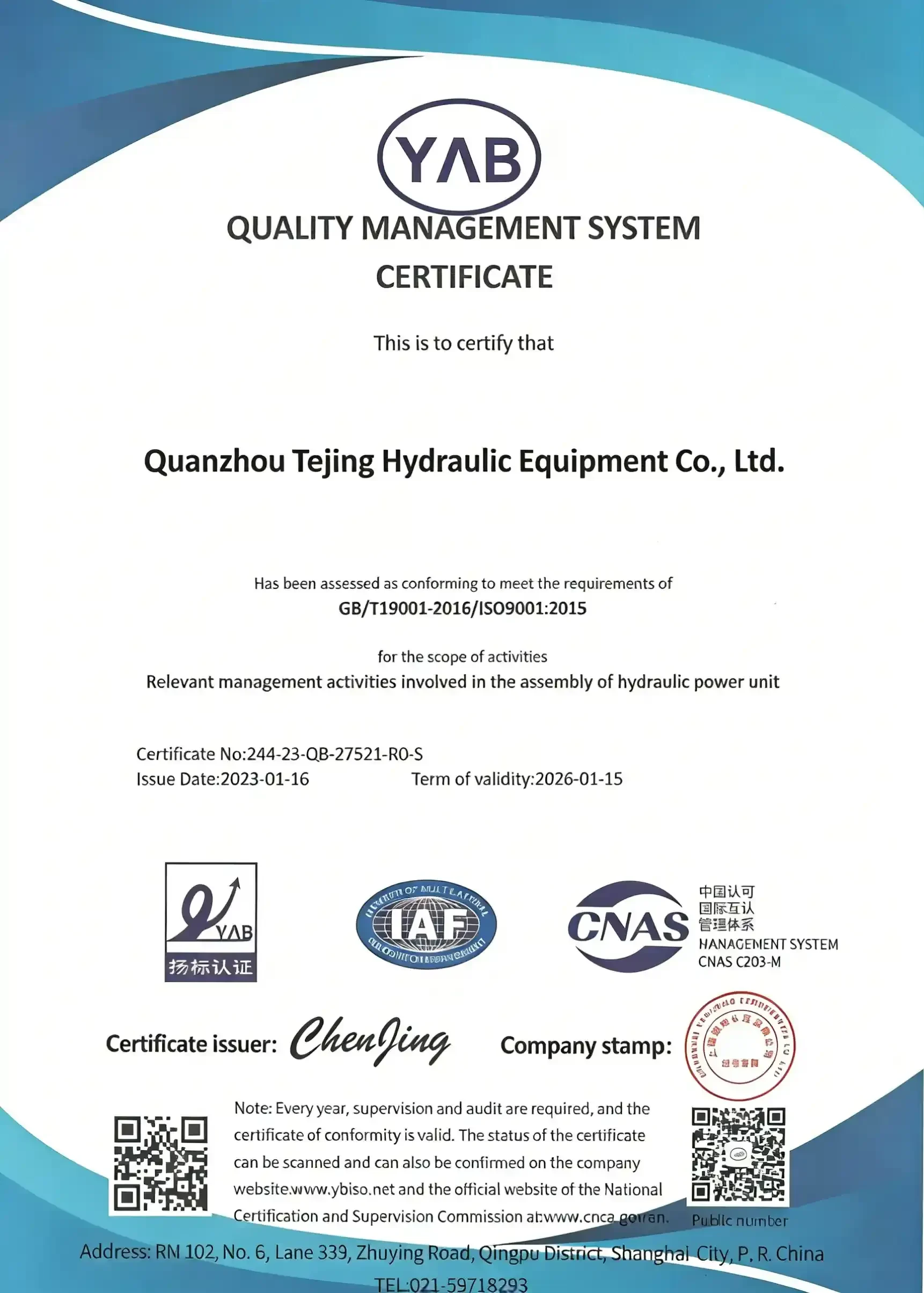
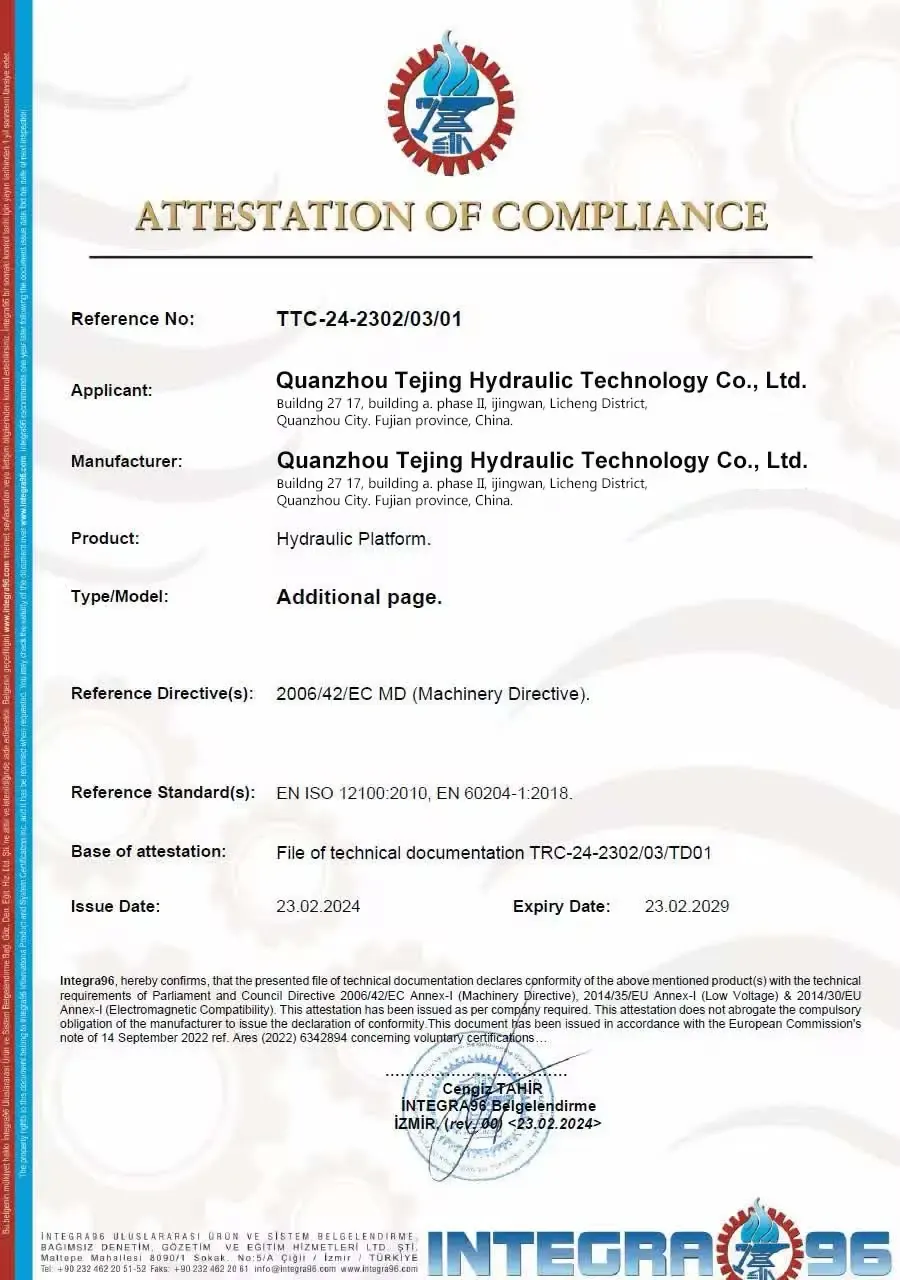
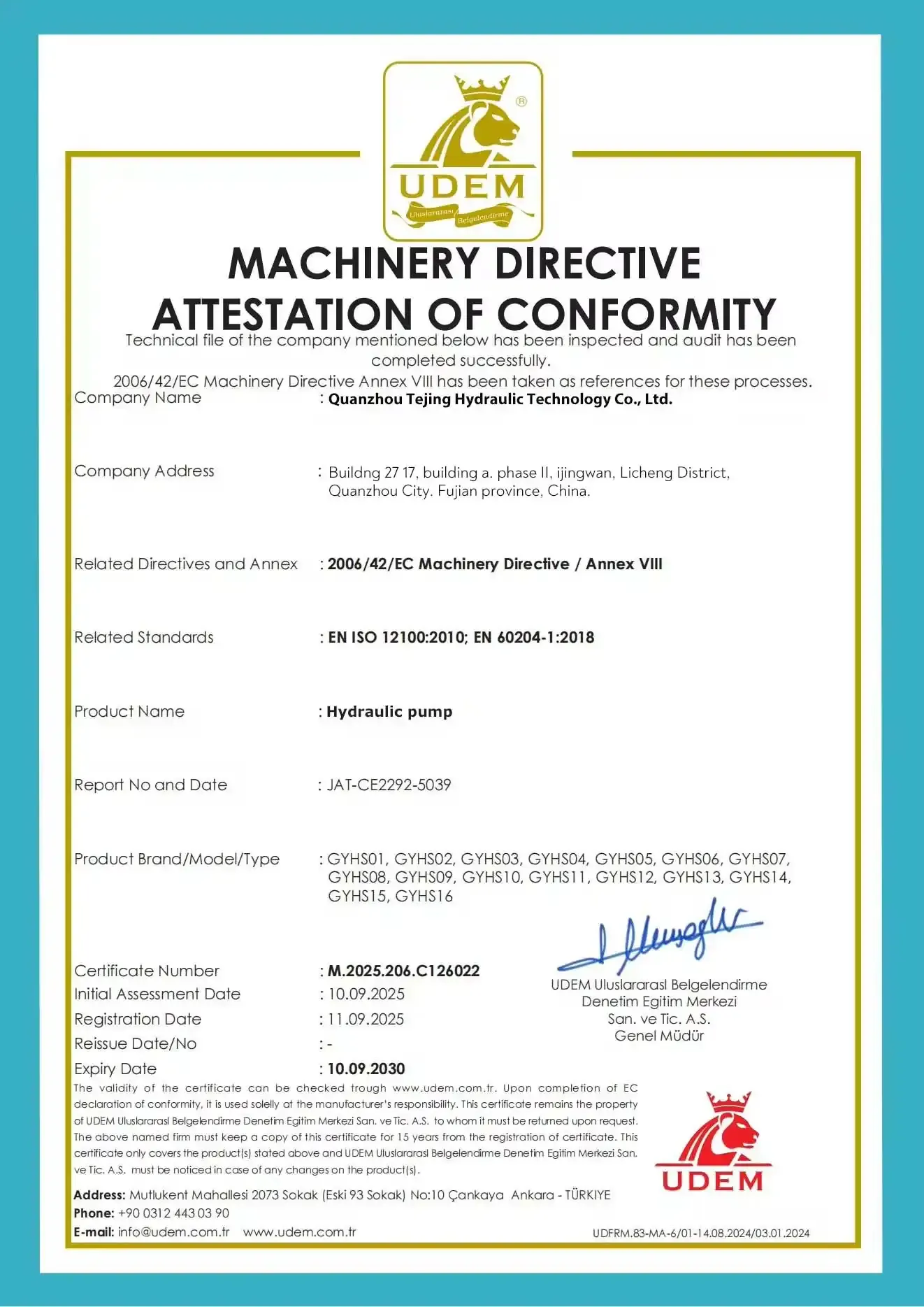
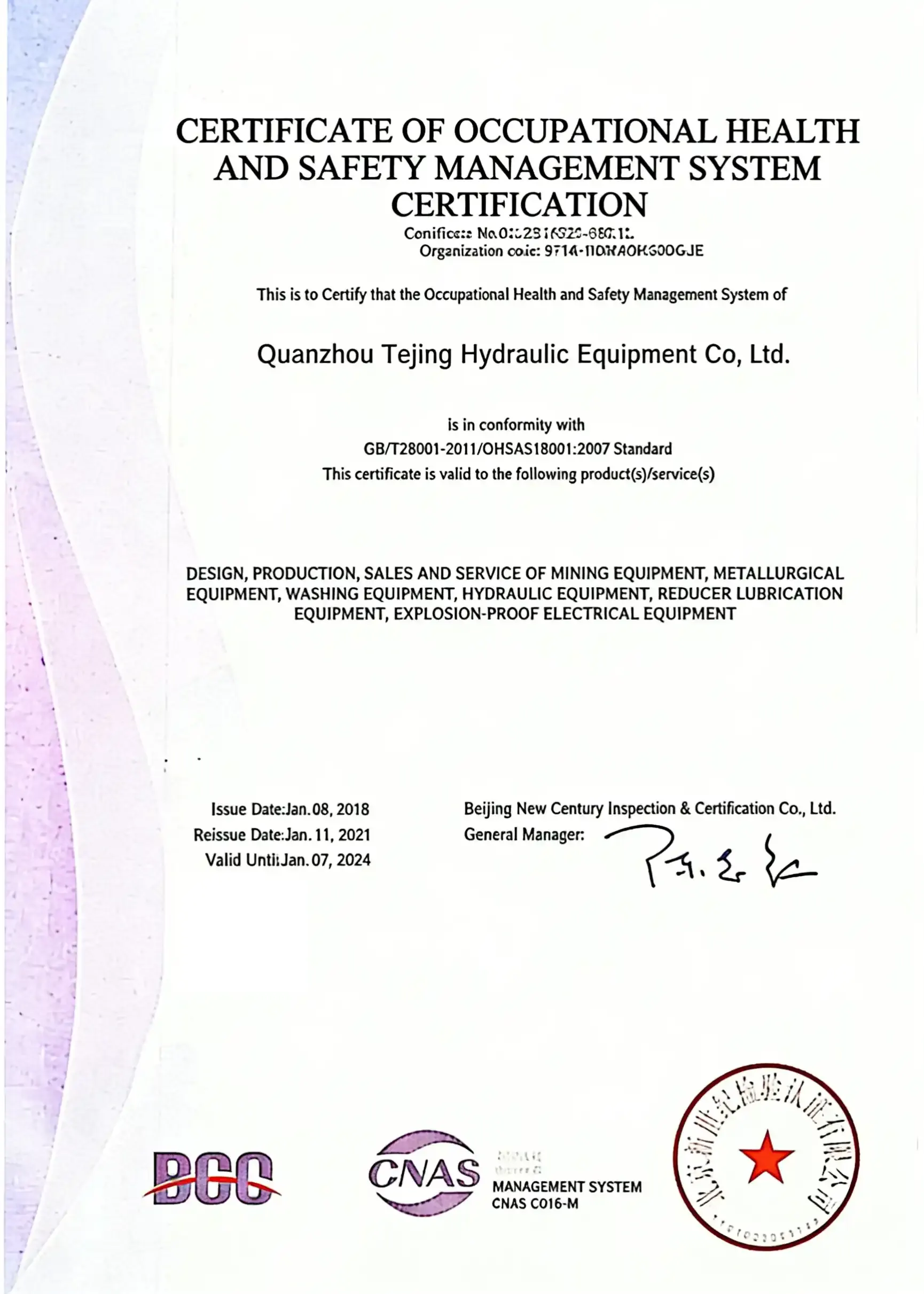
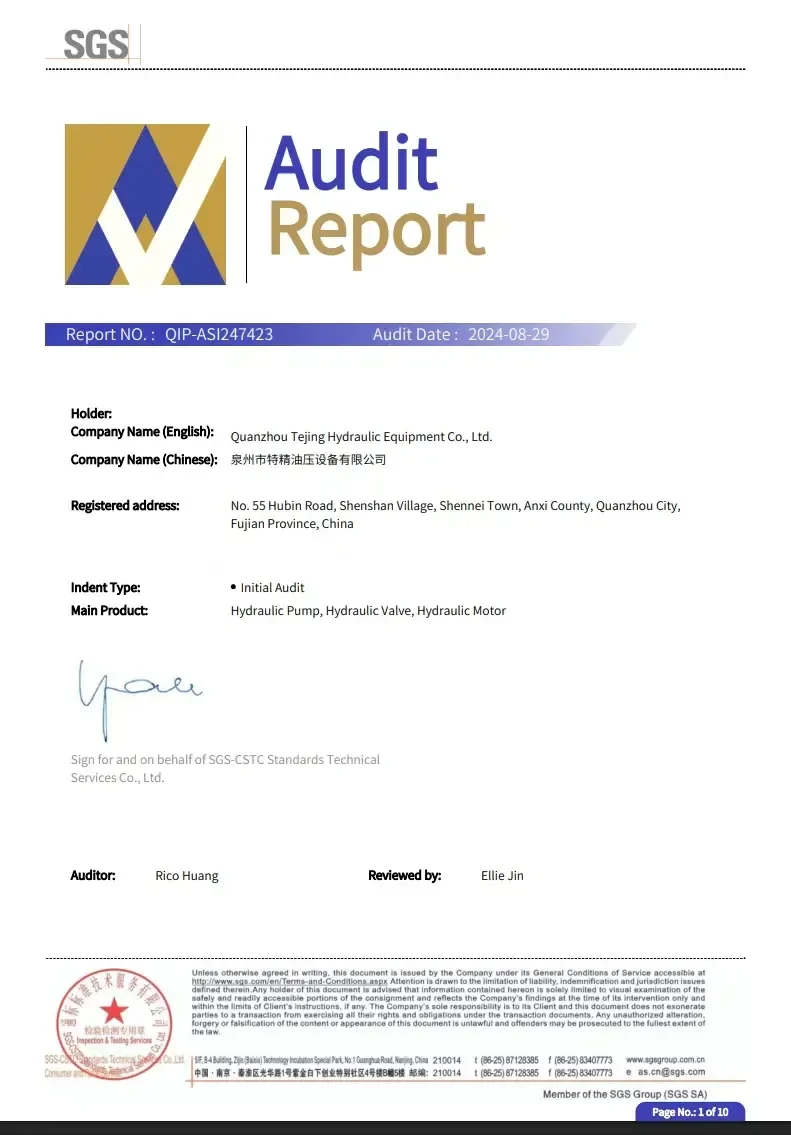
Certifications & Compliance

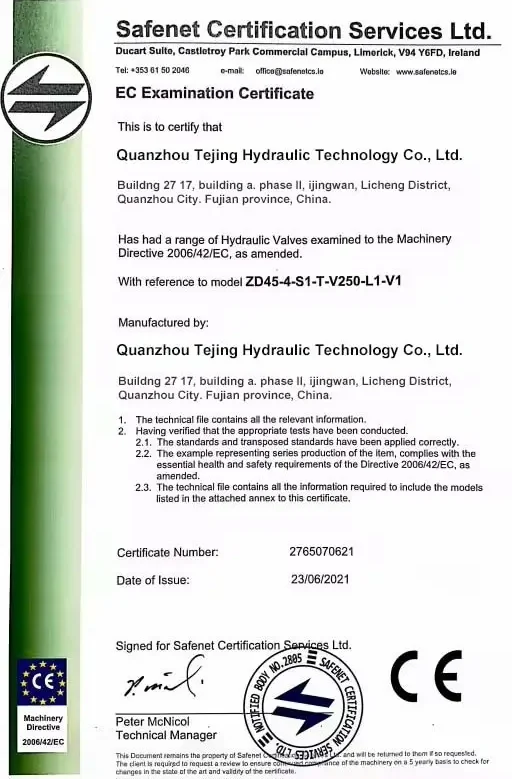
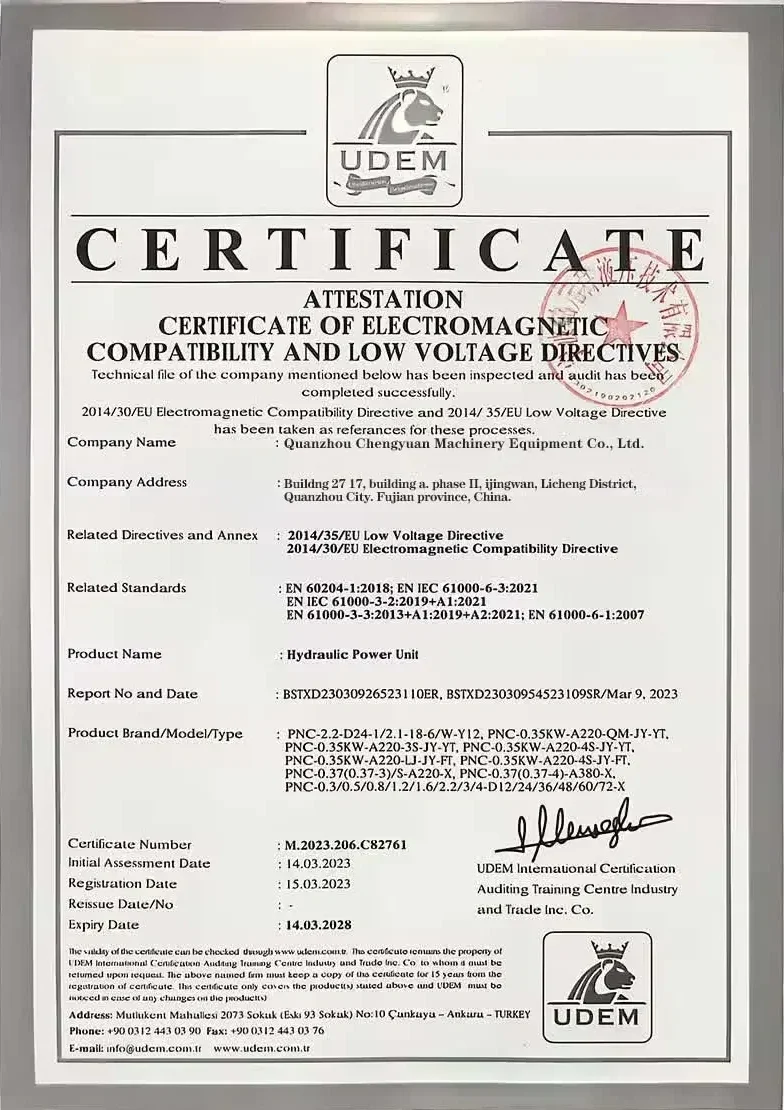
Certificates and qualification materials support buyer confidence during supplier
review and sourcing evaluation.

SUPPORT

Help Center

How does a hydraulic proportional valve work?

A proportional solenoid moves the valve element according to an electrical current command. The resulting opening continuously meters flow or adjusts pressure, so hydraulic output changes in proportion to the command rather than switching only between on and off.

What is the difference between a proportional valve and a solenoid directional valve?

A standard solenoid directional valve normally switches between defined positions, while a proportional valve can hold many intermediate positions. Proportional control provides adjustable flow, pressure, speed, and force with smoother acceleration and deceleration.

What is the difference between a proportional valve and a servo valve?

A servo valve generally offers higher bandwidth, resolution, and precision but requires cleaner fluid and higher cost. A proportional valve is typically more contamination-tolerant and economical for applications that need smooth variable control without full servo performance.

What information is needed to select a proportional valve?

Specify valve function, rated flow, operating pressure, mounting pattern, spool or pressure characteristic, command signal, electronics, ramp and feedback needs, hysteresis, response time, coil voltage, fail-safe state, fluid, temperature, filtration, and required control accuracy.

Can you customize products, and is there a minimum order quantity?

Absolutely. We provide OEM/ODM services and can manufacture according to your samples or technical drawings. Yes, there is a minimum order quantity, but it is flexible. Spare parts often have an MOQ of 1 piece, while complete pumps or motors vary by model—please inquire for details.

How quickly can you deliver products, and what shipping methods are available?

For in-stock items, we can ship within 3 days. For custom or non-stock items, delivery usually takes 7–15 days. We’ll confirm exact timing based on current inventory. We offer flexible shipping via express carriers (DHL, FedEx, UPS) and sea freight (CIF/FOB). We can also deliver to your designated freight forwarder in China.

Are you a factory or a trading company, and how do you ensure product quality?

We are a hybrid—both a manufacturer and a trading company. We produce our own products and also source specific components to offer complete solutions. We follow strict quality control protocols. All parts undergo CNC machining and heat treatment, and each is 100% tested before delivery to guarantee precision and reliability.

What payment methods do you accept, and what is the warranty period?

We accept T/T, L/C, Western Union, Alibaba Trade Assurance, and VISA. For new customers, we usually require full prepayment or a 30% deposit with the balance due before shipment. All products come with a 1-year warranty, provided they are installed and operated under normal conditions.

agriculture
What Are Hydraulic Components and How Do They Work?
Hydraulic components are essential parts of hydraulic systems that use pressurized fluid to transmit...
行业应用-港口船舶液压系统
How to Choose the Right Hydraulic Components for Your Equipment
Hydraulic components are essential parts of hydraulic systems that use pressurized fluid to transmit...
行业应用-冶金自动化液压系统
Common Types of Hydraulic Components and Their Applications
Hydraulic components are essential parts of hydraulic systems that use pressurized fluid to transmit...
CONTACT US

Send Your Hydraulic
Inquiry

Tell us the model, application or target part number. Our sales team will help confirm specifications and quotation details.

Anya Zhang

anyazhang@tejingyy.com | +8618159153182

Taylor Shen 

taylorshen@tejingyy.com | +861815059722
Bill Yang 

billyang@tejingyy.com | +8618160919625

Mon-Fri/Sat 9:00-18:00 UTC+8

Get Inquiry